Fast Response
We aim to reply to cycling jersey inquiries, artwork questions, and production feedback within eight hours.
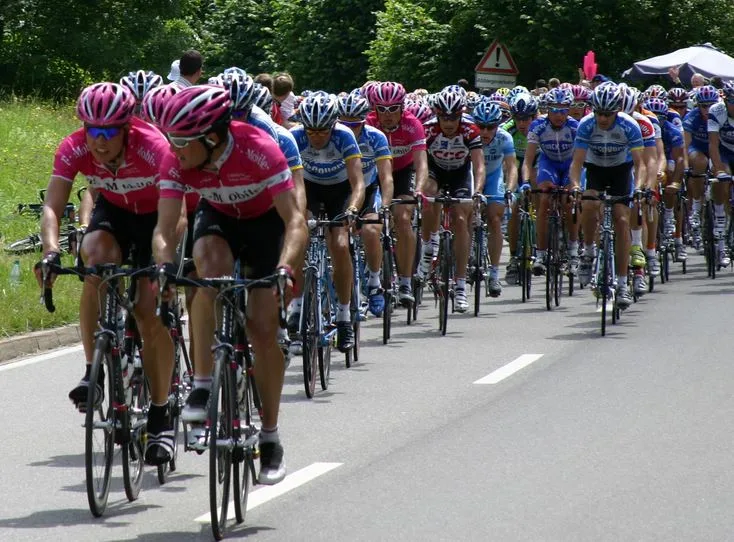
Build men's, women's, youth, road, mountain, club, and race cycling jerseys with unlimited sublimated colors, custom artwork, performance fabrics, and your preferred zipper and fit.
Responsive Wholesale Service
Byon Textile combines responsive support, controlled production, and final inspection for custom cycling jersey orders.
We aim to reply to cycling jersey inquiries, artwork questions, and production feedback within eight hours.
Fabric, print, cutting, stitching, sizing, accessories, and packing are inspected before an order is released.
Typical production can be completed in approximately 10-13 days after payment and final proof approval, subject to order details.
Cycling Jersey Examples
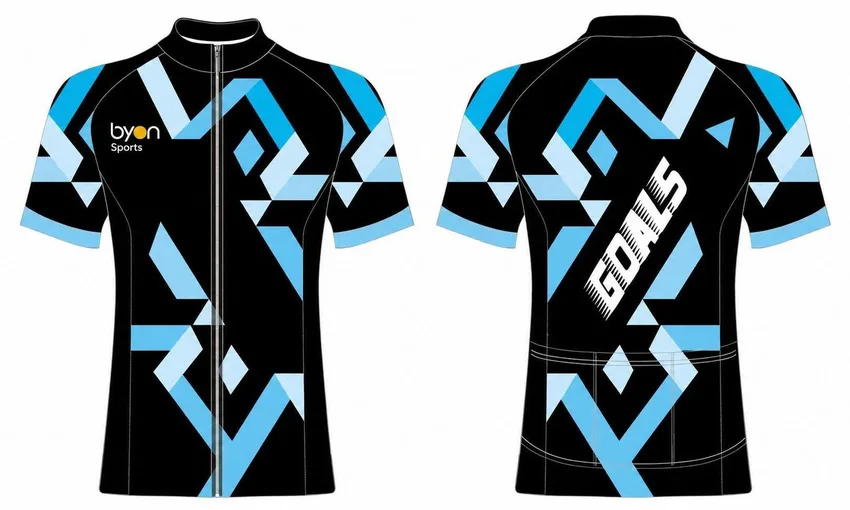
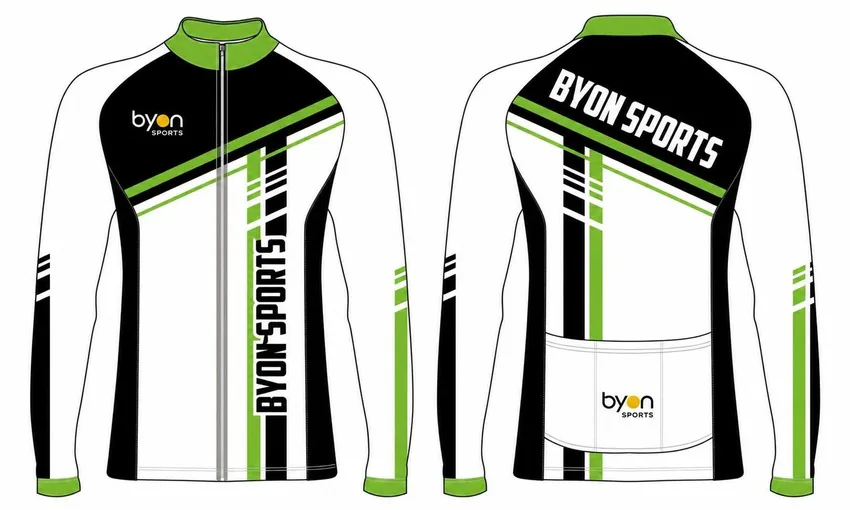
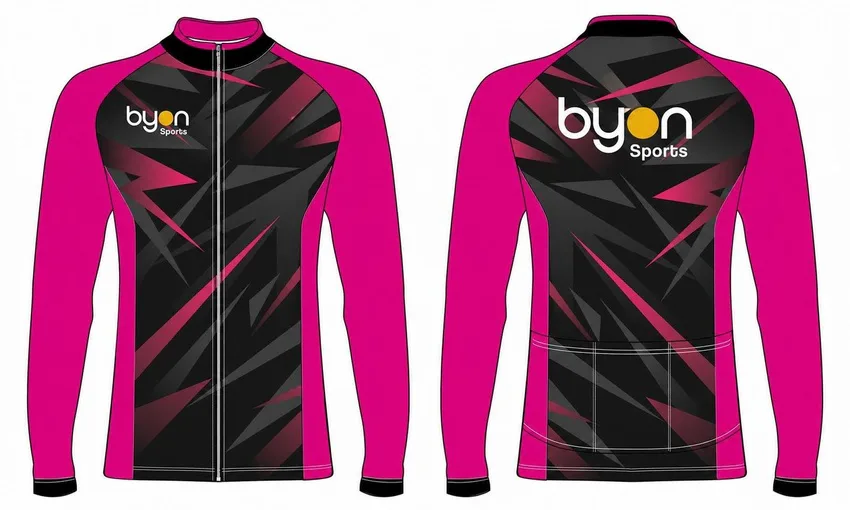
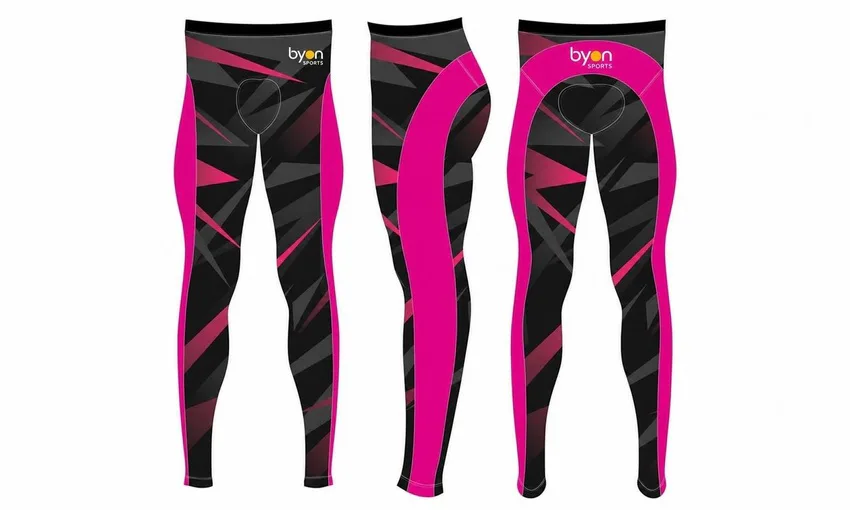
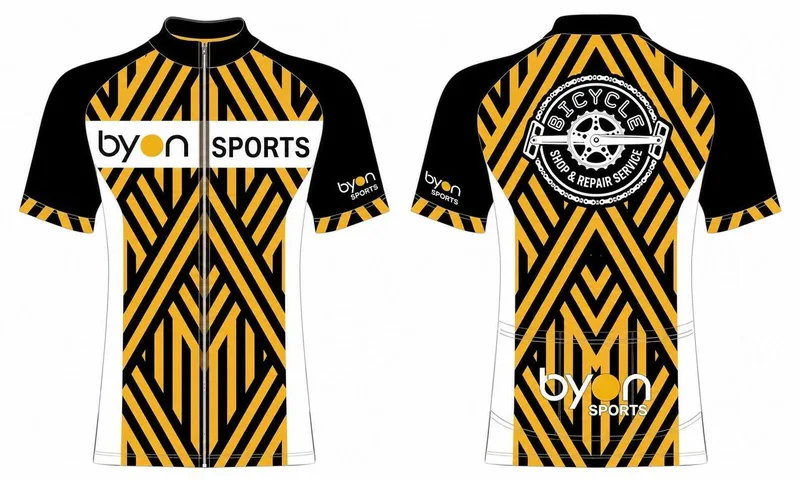
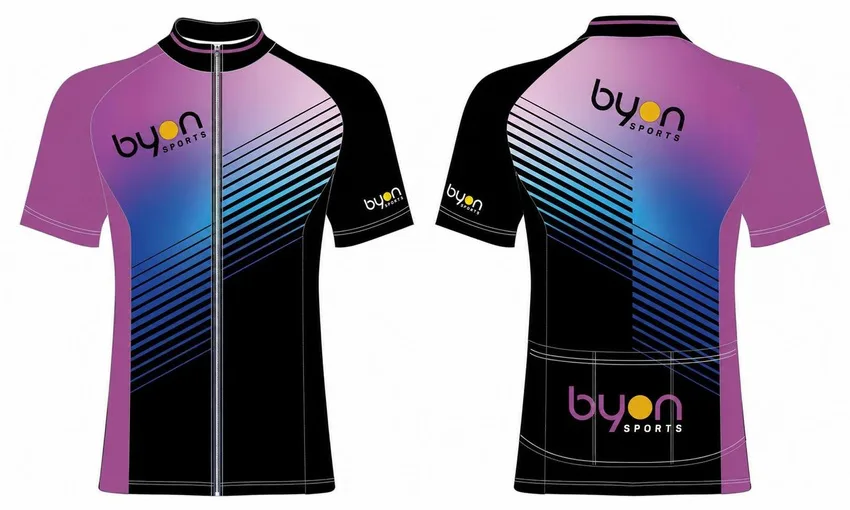
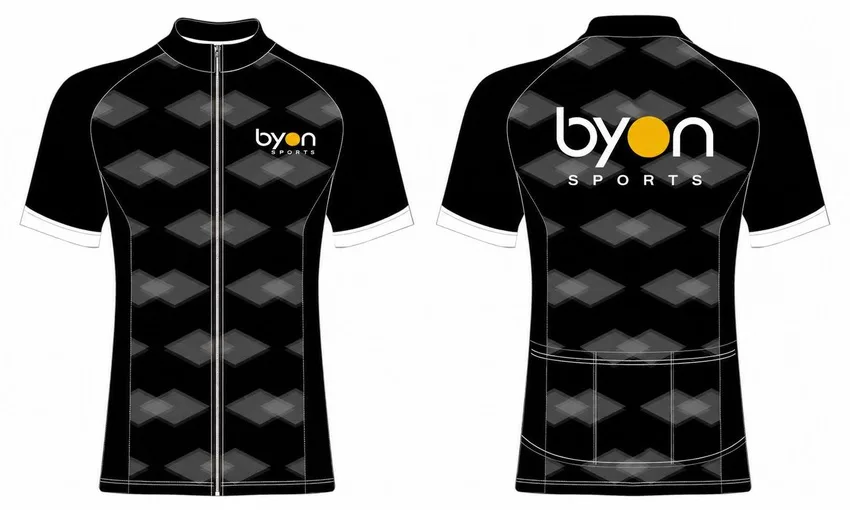
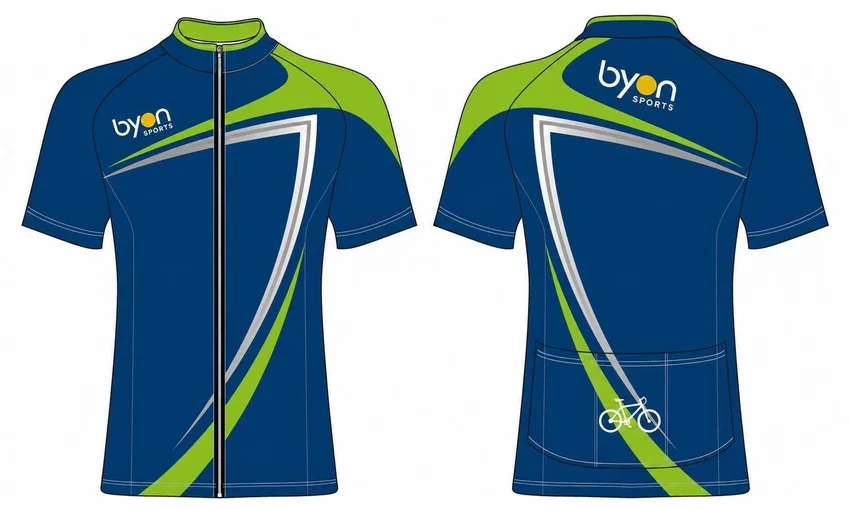
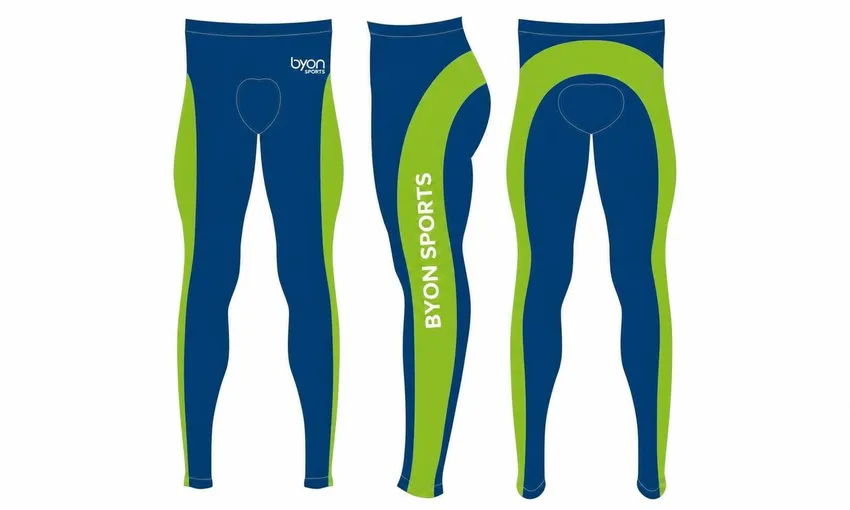
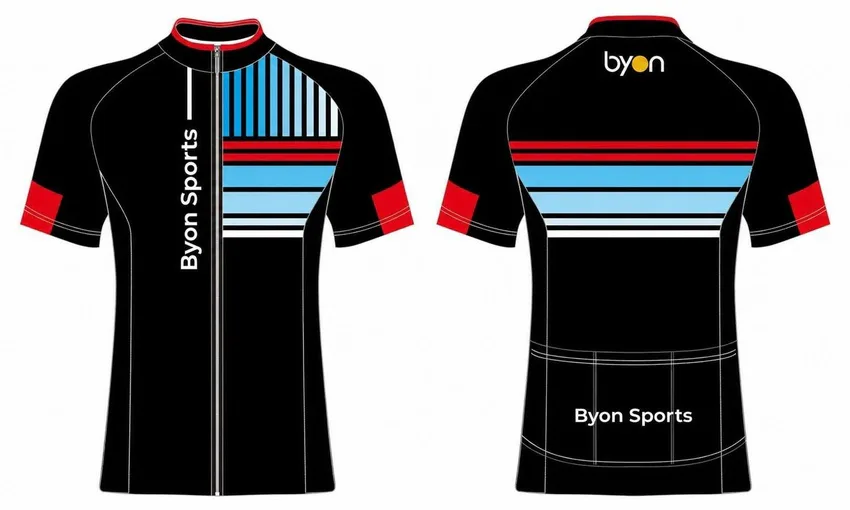
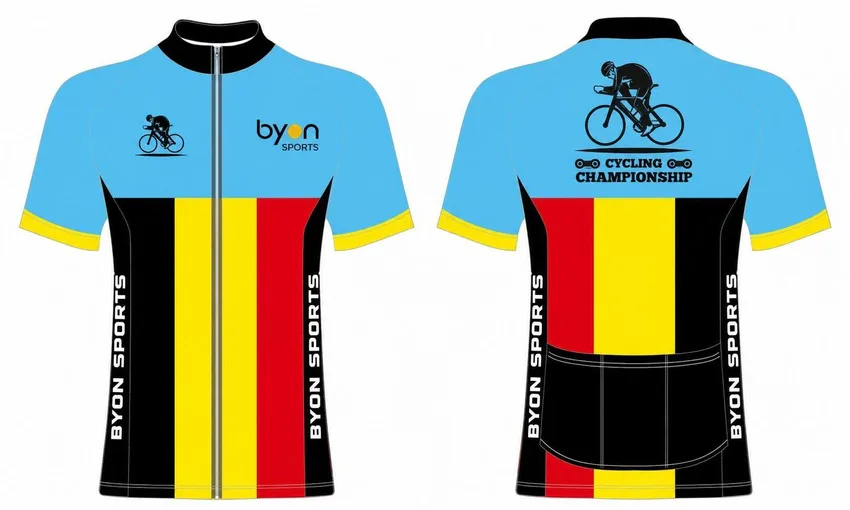
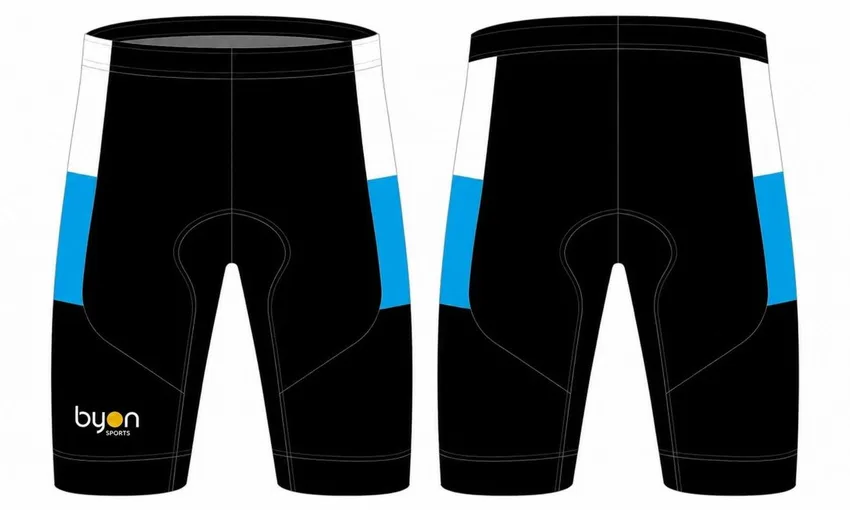
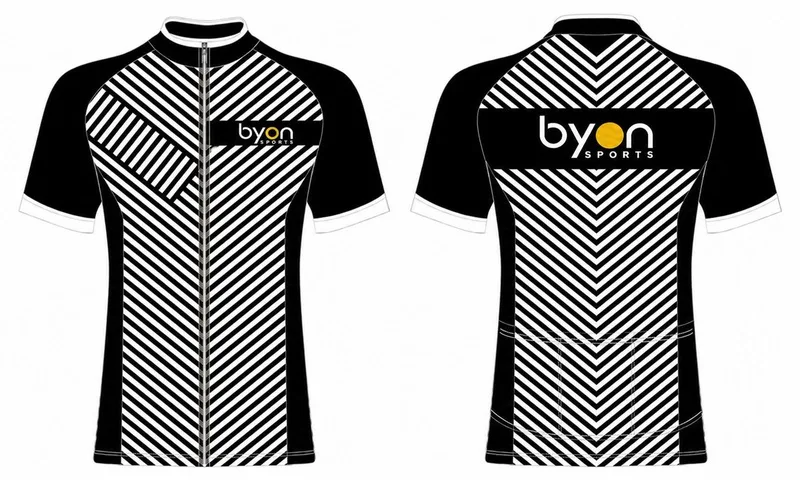
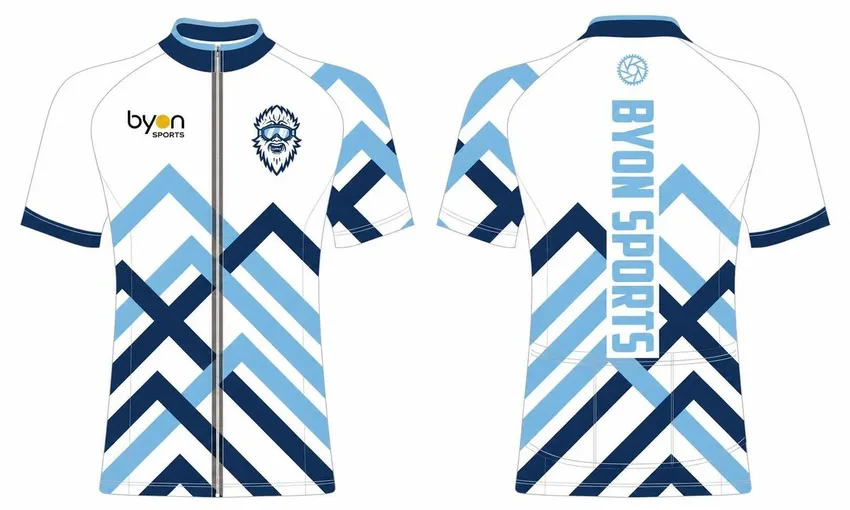
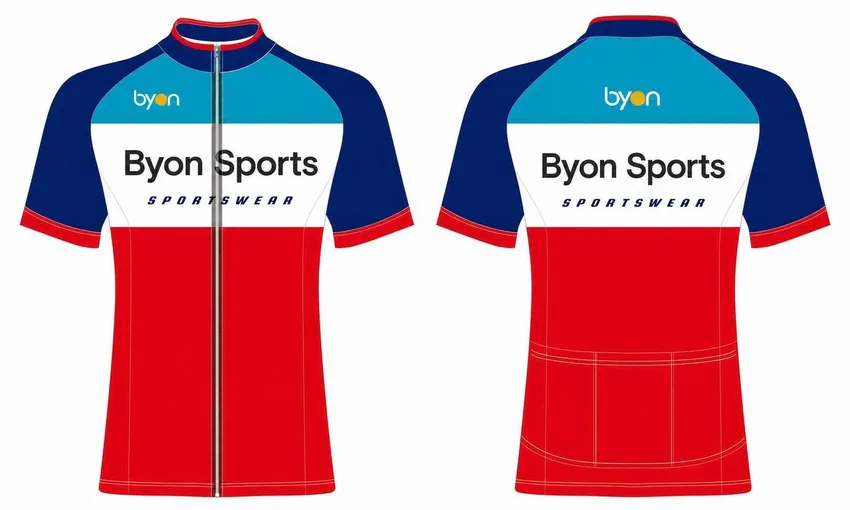
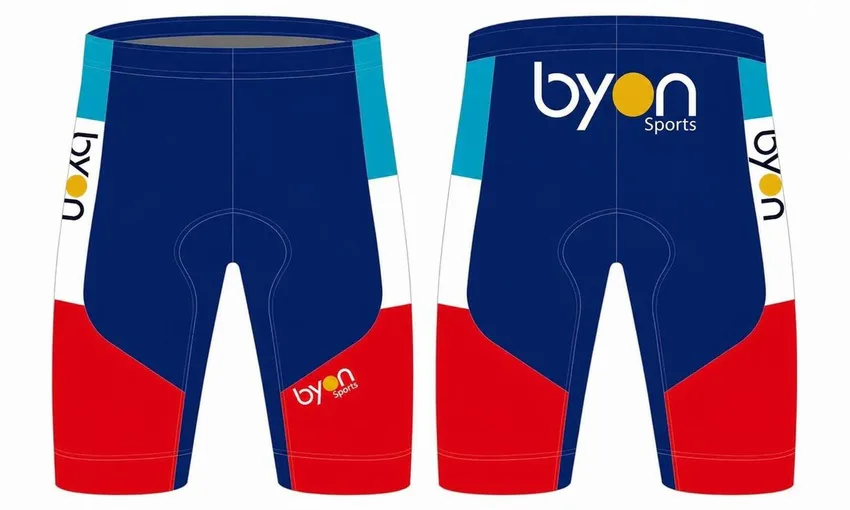
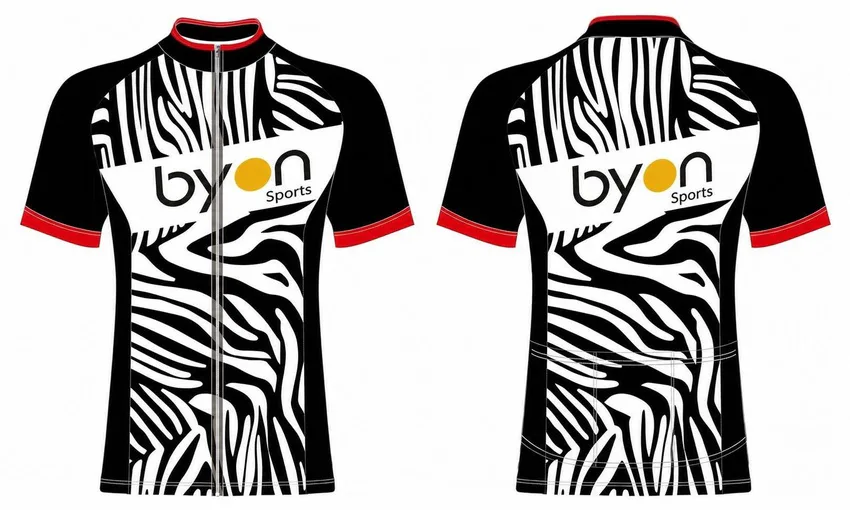
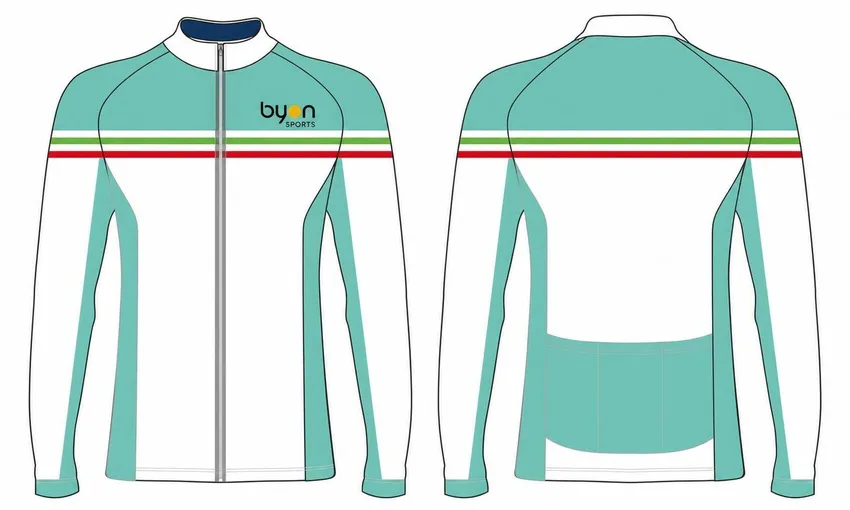
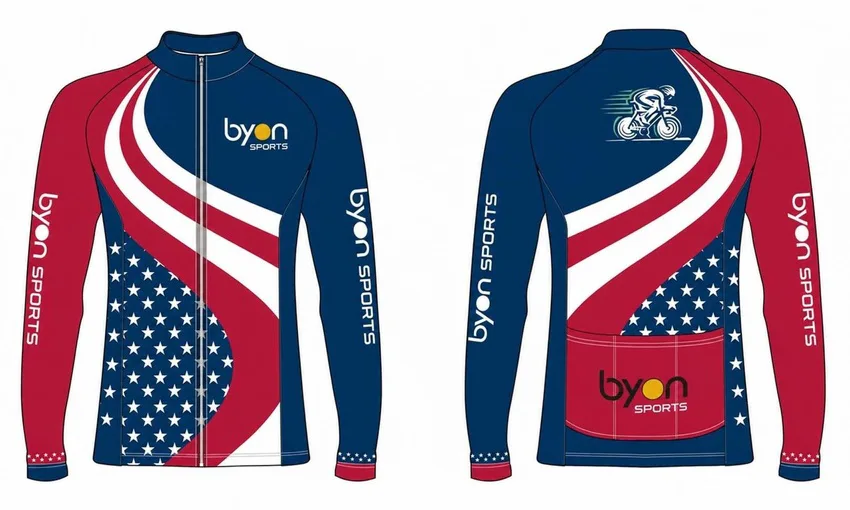
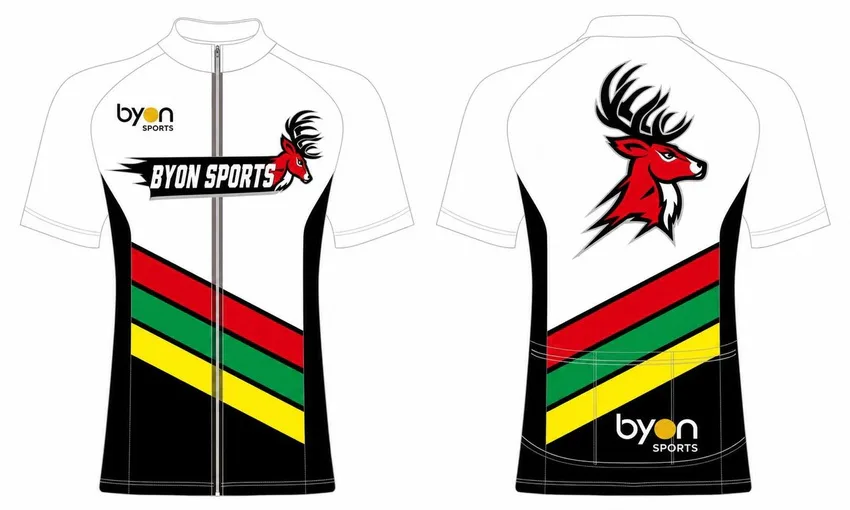
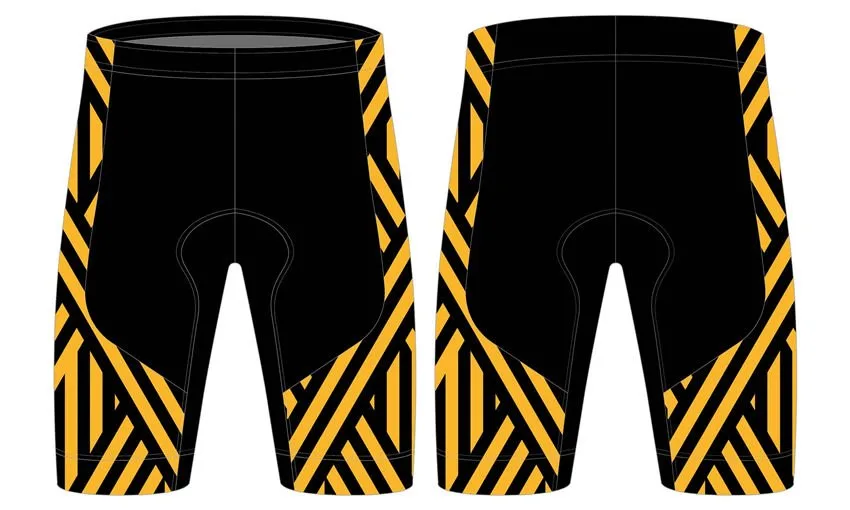
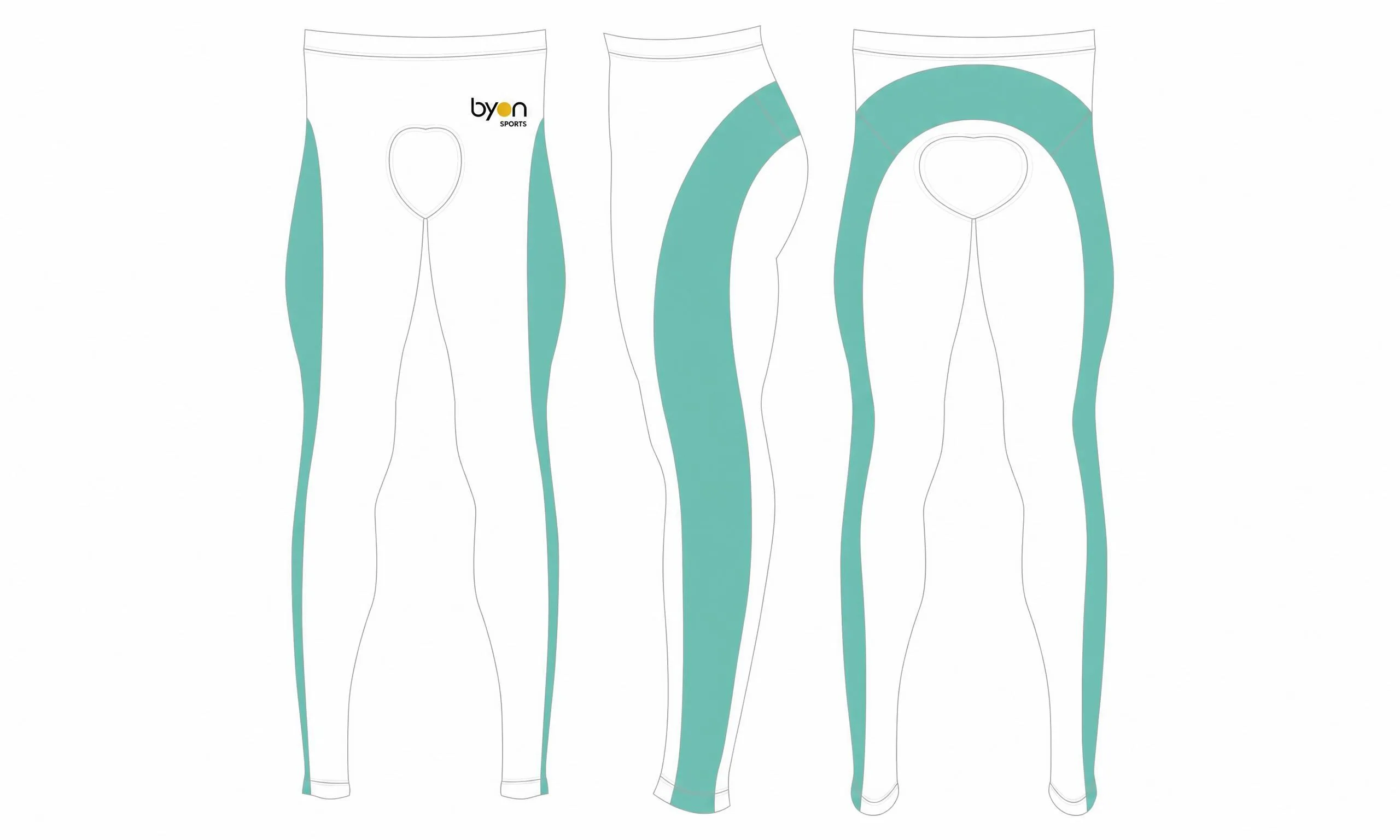
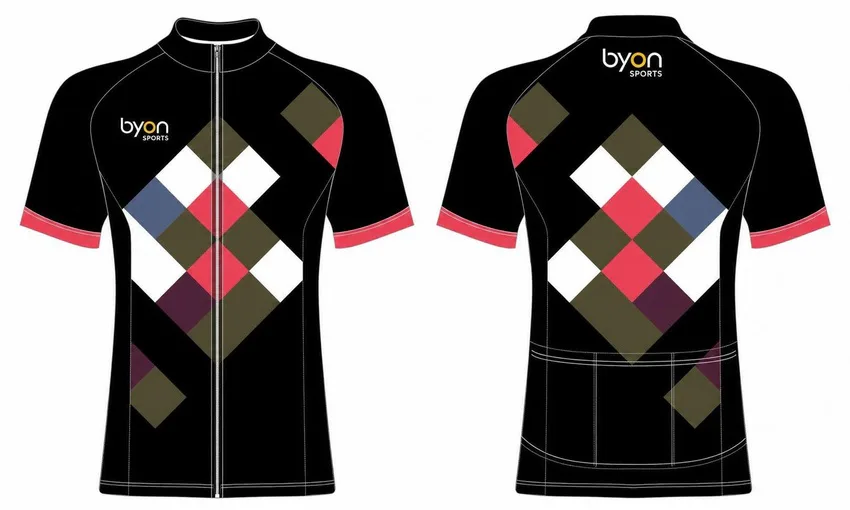
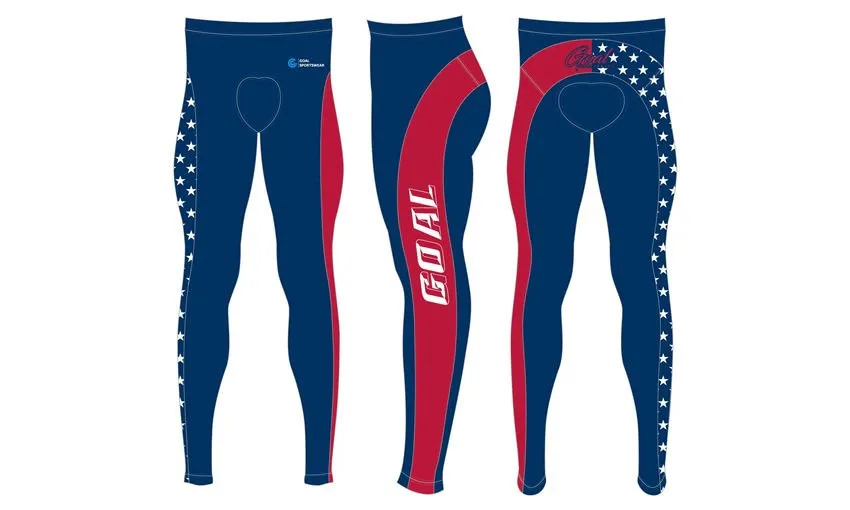
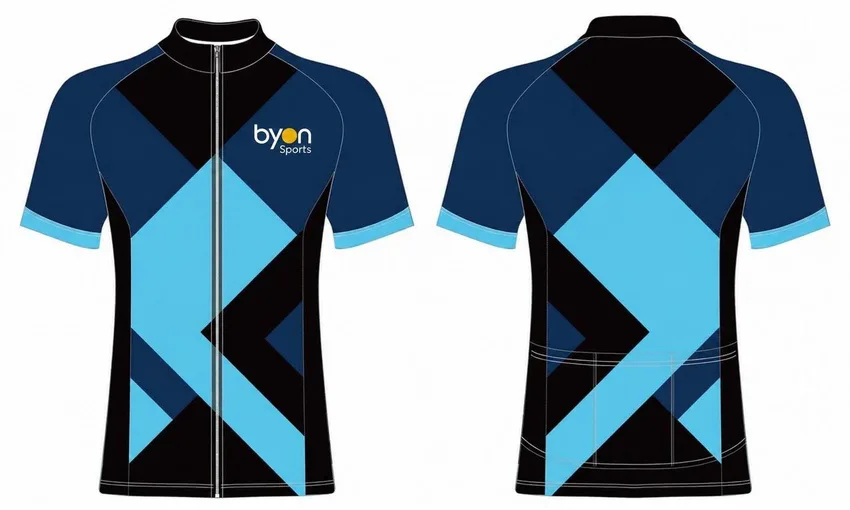
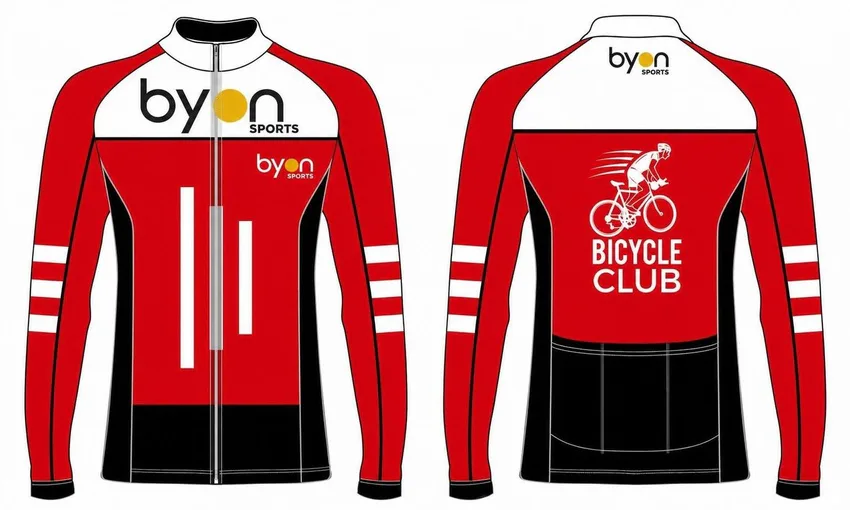
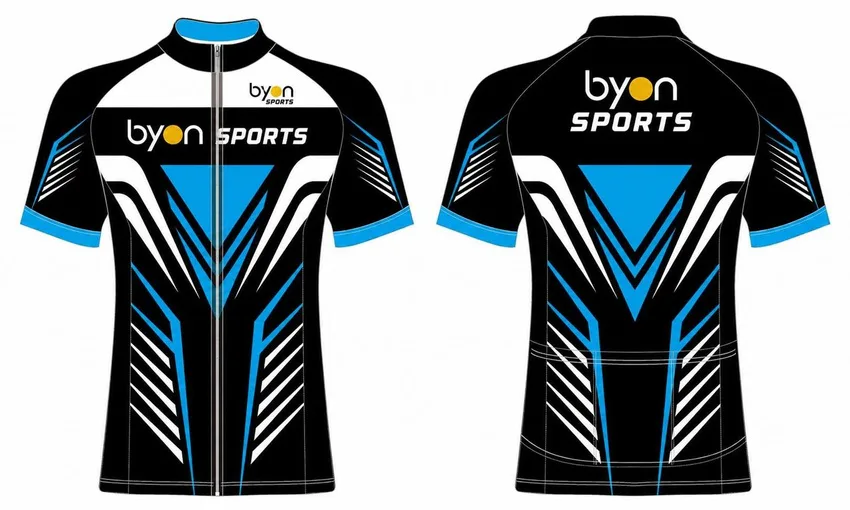
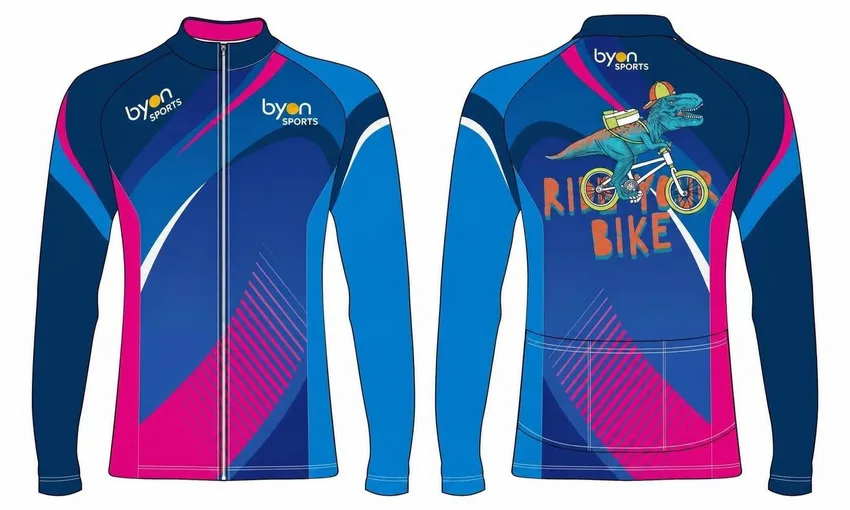
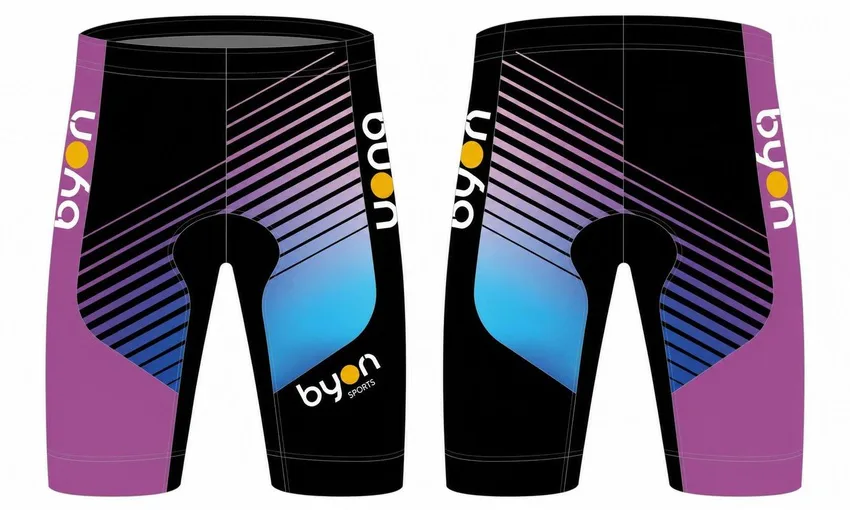
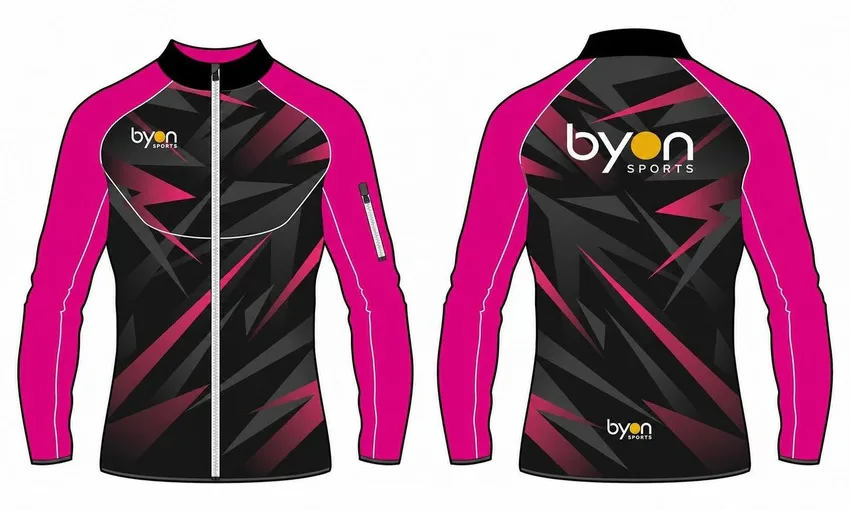
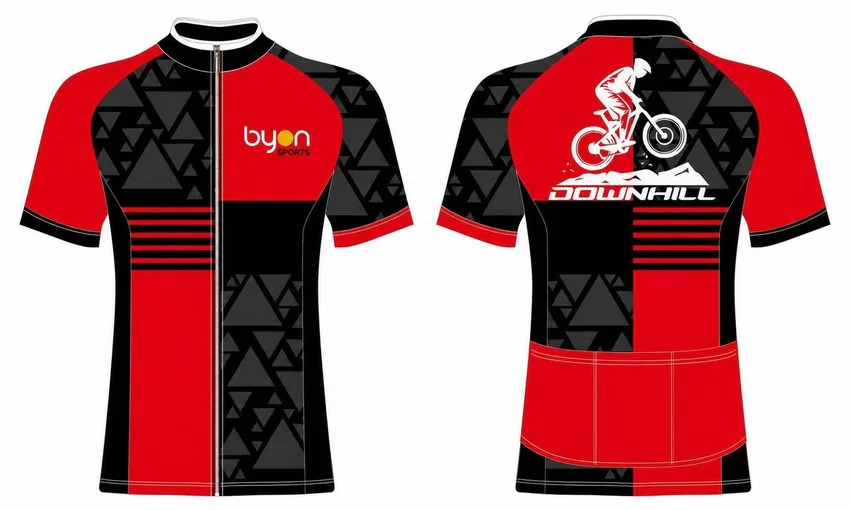
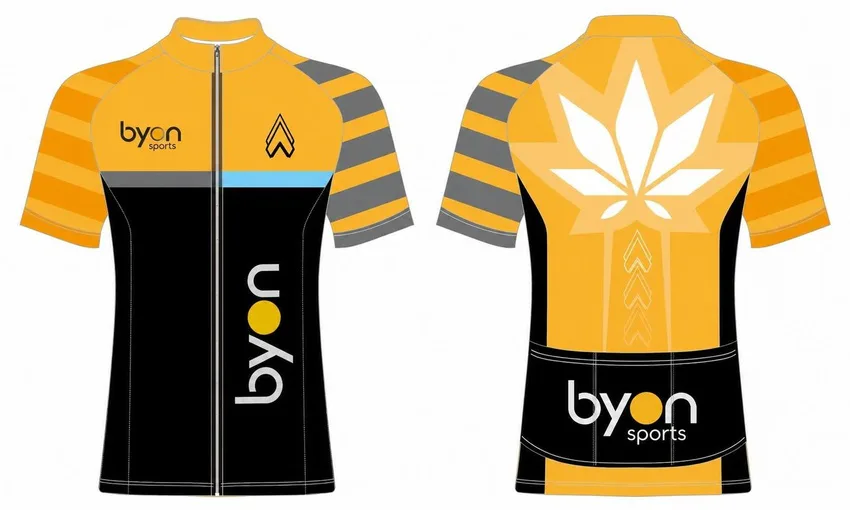
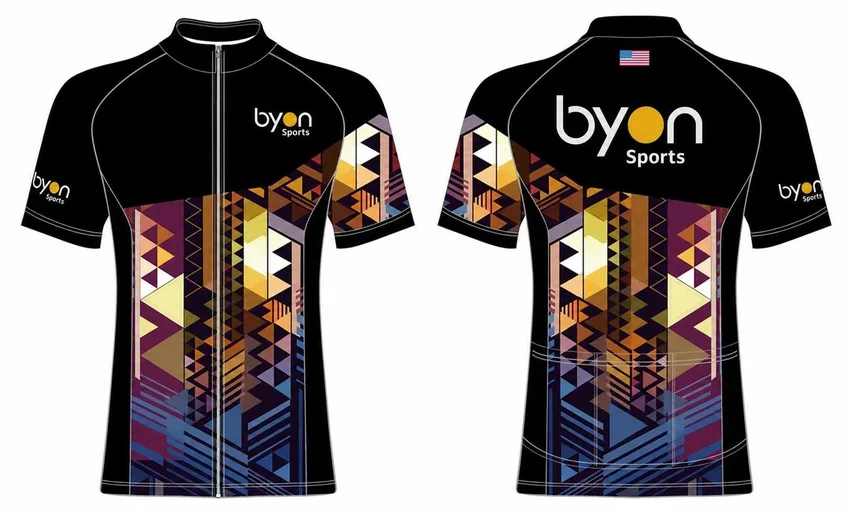
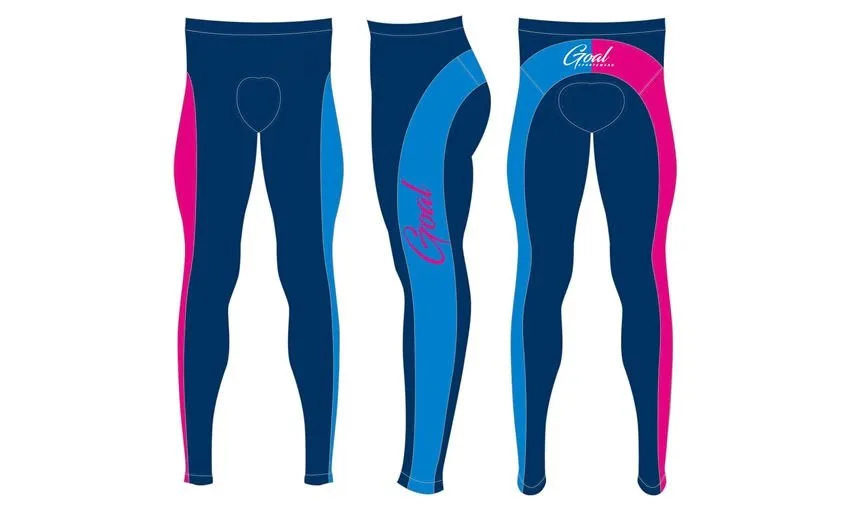
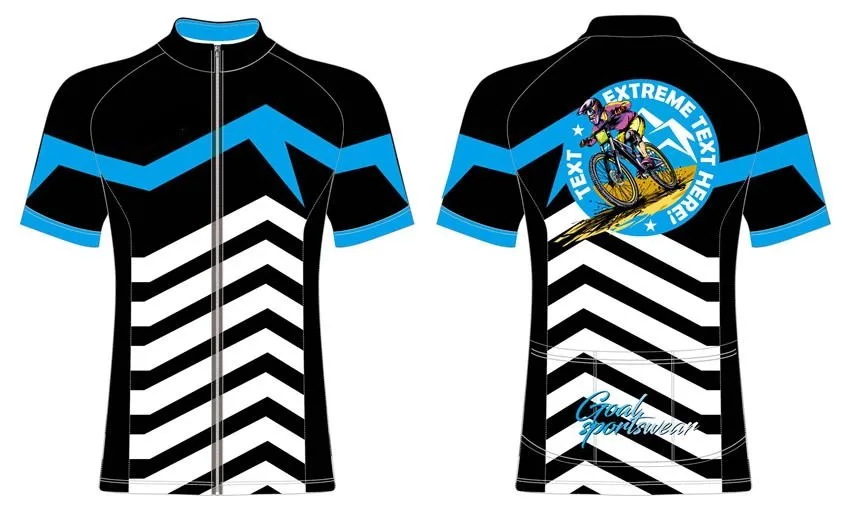
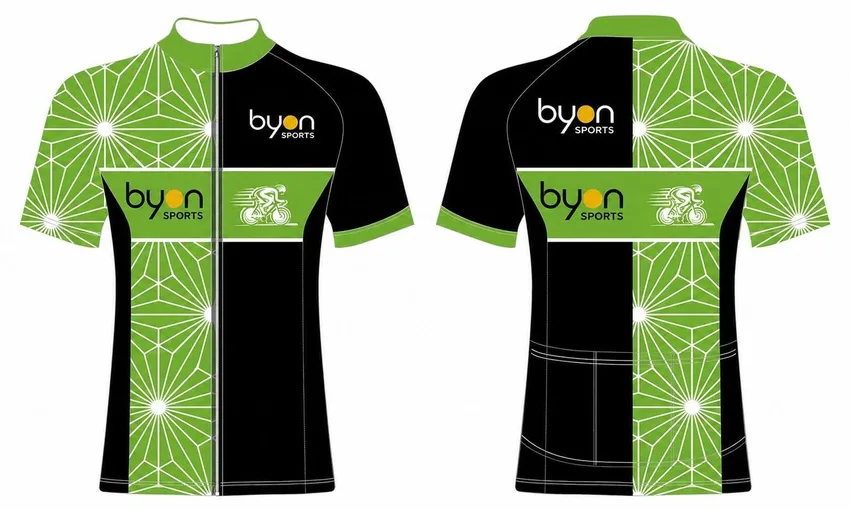
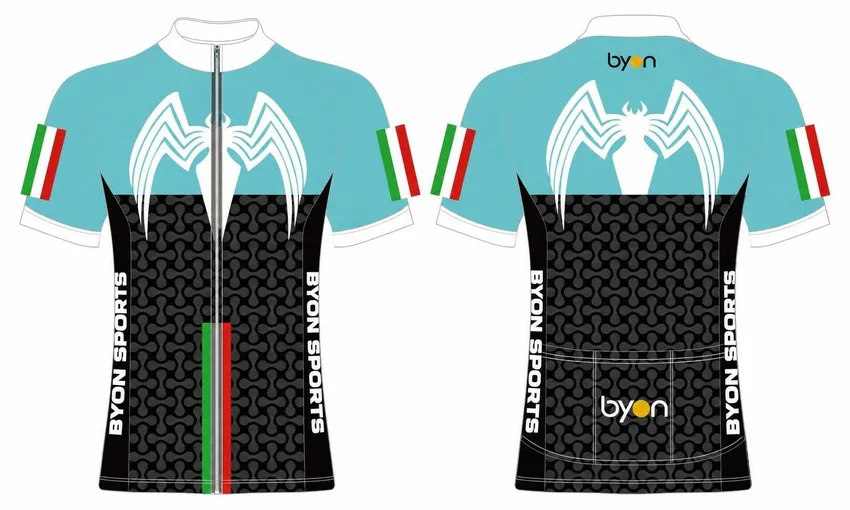
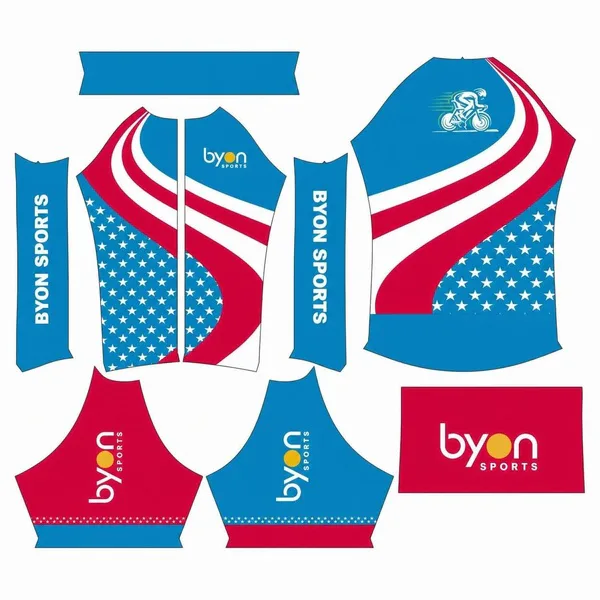
Explore 37 cycling jersey, shirt, short, pant, and team-uniform examples manufactured with custom full-color sublimation.
Build Your Cycling Range
Create cycling jerseys, vests, shorts, bib shorts, pants, and windbreak jackets in coordinated designs. Full dye sublimation embeds the artwork into compatible fabric, supporting detailed logos and extensive color without a raised print layer.
Construction Gallery
Inspect the core fabric, seam, storage, and grip details available for performance cycling jerseys.
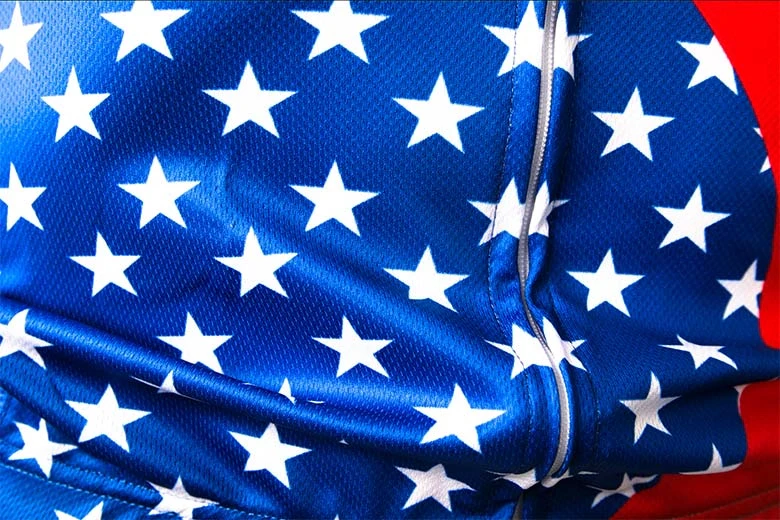
A lightweight 100% polyester moisture-wicking mesh supports breathability, fast drying, and vivid dye sublimation.
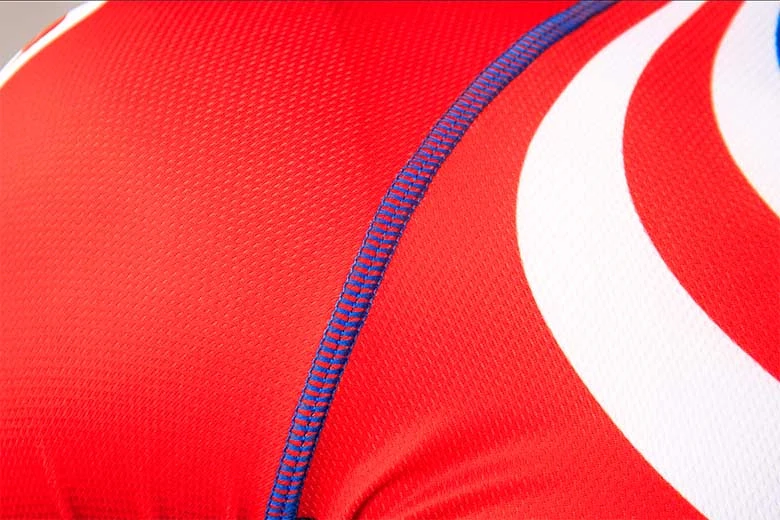
Flatlock seams lie close to the body, stretch with performance fabrics, and help reduce rubbing during repetitive movement.
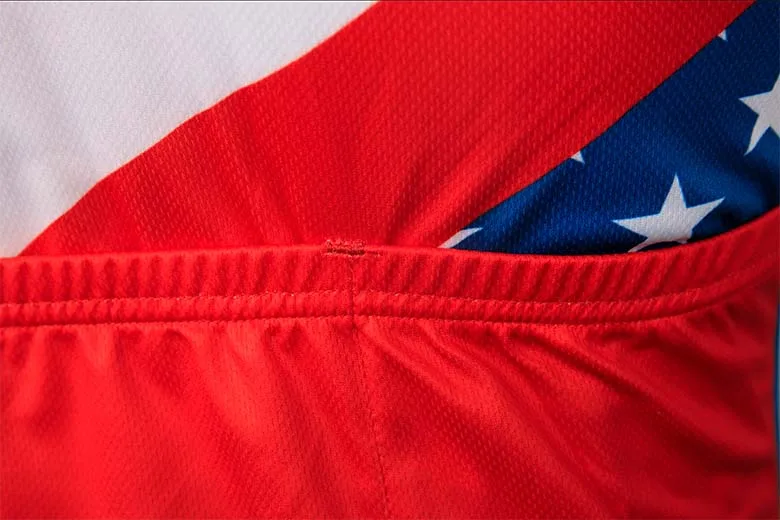
Three accessible rear pockets can carry a phone, bottle, nutrition, keys, or other compact ride essentials.
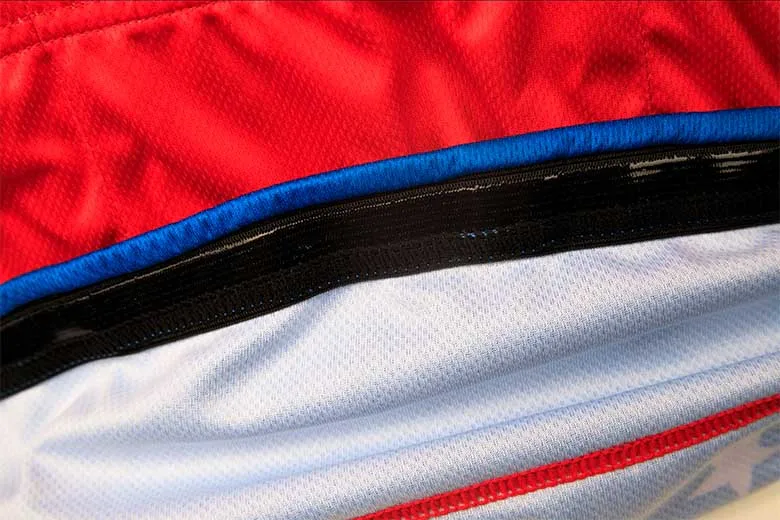
Silicone grip bands at the sleeve openings and waist help keep the jersey in position while the cyclist rides.
Cycling Apparel Buyer Guide
Use this guide to compare cycling garments, fabrics, fit, weather protection, zippers, pockets, seams, printing, production, and international delivery.
Byon Textile manufactures coordinated sublimated cycling jerseys, vests, shorts, bib shorts, pants, and windbreak jackets for teams, events, retailers, and private-label programs.
Cycling jerseys can use quarter, half, three-quarter, or full-length zippers. Visible and concealed zipper constructions are available, with men's and women's cuts developed around the intended fit and riding application.
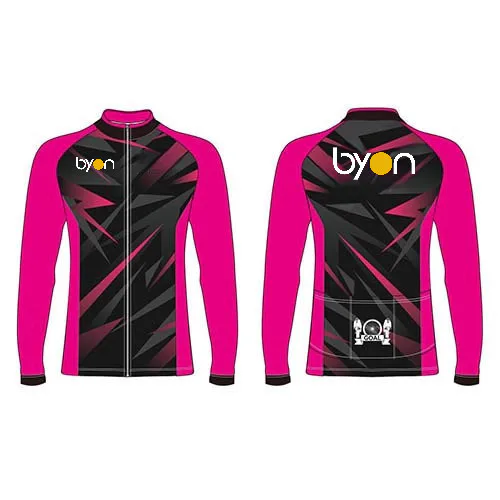
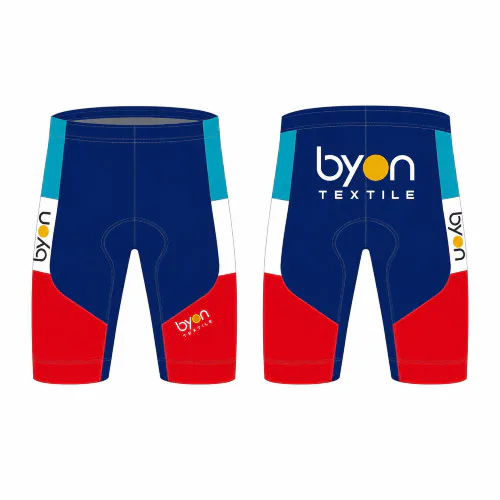
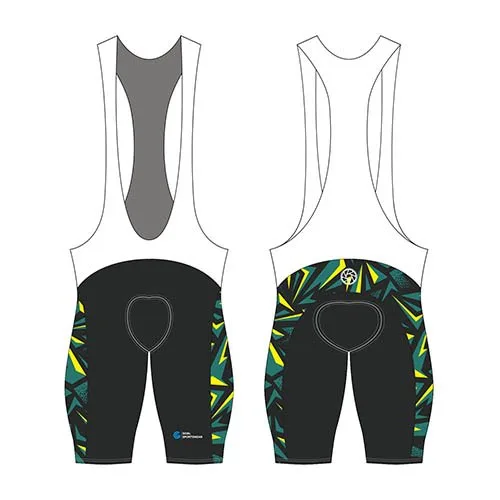
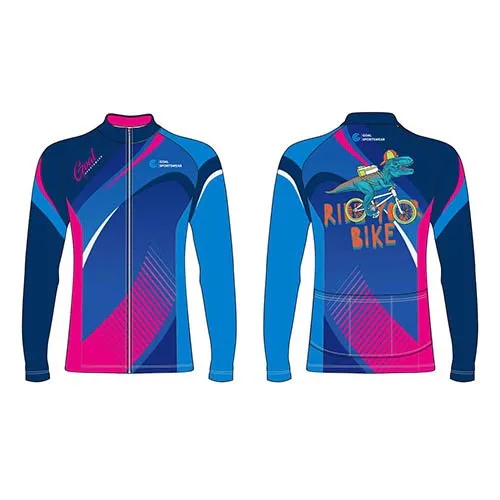
Our team brings more than ten years of sports-apparel experience to artwork preparation, sublimation, cutting, sewing, inspection, and packing. Laser cutting equipment, high-resolution printing equipment, and quality sublimation inks support repeatable output.
A typical 10-12 day bulk-production schedule can allocate 2-3 days to proofs and layout, 3-4 days to printing and cutting, 2-3 days to sewing, and 1-2 days to packing and quality inspection. Timing begins after artwork approval and depends on quantity, specifications, and material availability.
Sample production normally takes approximately 7-9 days. Express delivery can take about 3-4 days to many destinations, while the final shipping method and transit time depend on the order and delivery address. Payment options can include wire transfer and other approved methods shown on the quotation.
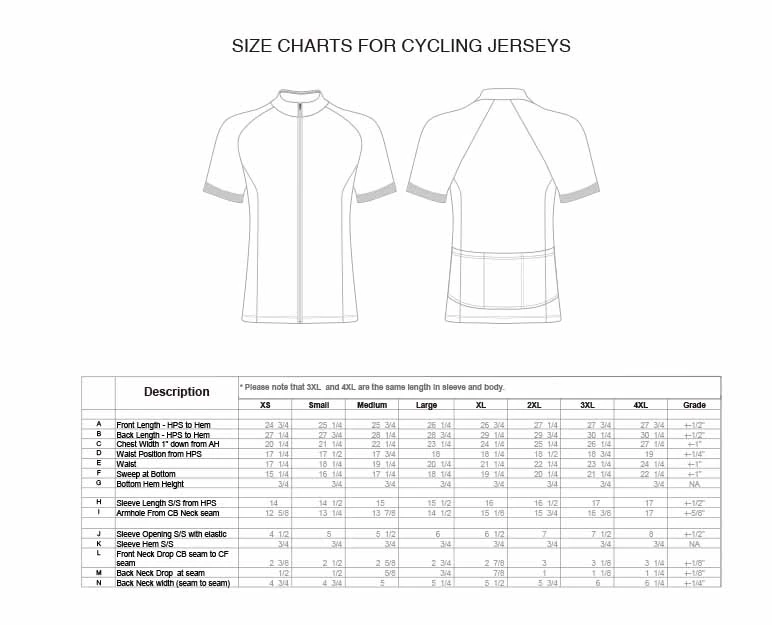
Review the manufacturing video and use the cycling jersey chart as a starting point. Final garment measurements, grading, fit tolerance, and size labels should be approved for each custom order before production.
Purpose-built cycling apparel can improve comfort, freedom of movement, weather management, visibility, and aerodynamic performance compared with ordinary clothing. These benefits matter to casual riders as well as competitive cyclists.
The close cycling cut reduces loose fabric flapping in the wind and helps keep the garment positioned over the body. Flexible fabrics allow a fuller riding range of motion, while breathable moisture-wicking structures move perspiration away from the skin.
A cycling jersey should balance fabric performance, visibility, riding posture, storage, airflow, and fit. The exact specification depends on climate, ride duration, discipline, and the intended customer.
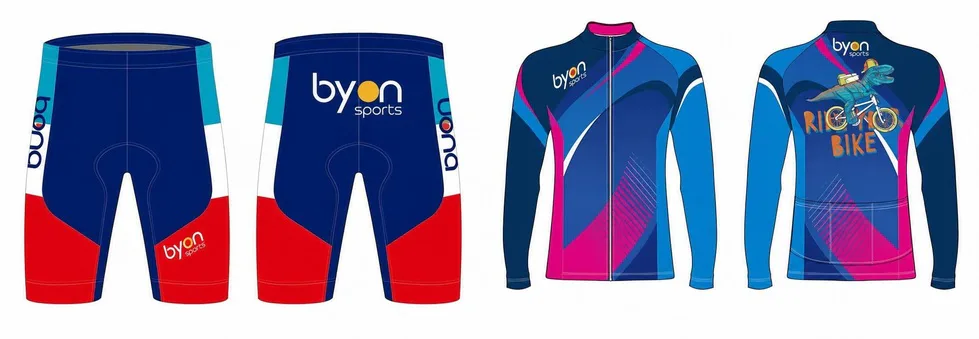
Common options include fast-drying polyester, polyamide fabrics, merino wool, polyester-spandex, and polyester-nylon blends. Lightweight polyester mesh is especially suitable for vivid sublimation, breathability, and moisture management.
Sublimation supports vivid custom colors without a raised layer. Reflective logos, piping, or panels can improve recognition during early-morning, evening, or low-light rides, although they do not replace proper bicycle lighting.
Cycling jerseys typically use a shorter front, longer drop tail, higher neck, and riding-oriented sleeves to accommodate a bent-forward posture. Some catalogs use American cut for a closer fit and racer cut for a looser fit, while others use race and club terminology. Because these labels are not universal, approve garment measurements rather than relying on the fit name alone.
Rear pockets are easier to access in a riding position and help keep stored items stable. Zippered and moisture-resistant pockets add security, while mesh side panels and vents help release heat.
Custom programs can cover kids', youth, and adult sizes such as S, M, L, XL, and XXL, with additional grading available. American, racer, aero, and club fit labels may describe different levels of ease depending on the manufacturer, so the riding application and approved measurements should control the final pattern.
A road cycling jersey should feel comfortable in the riding position and match the rider's preferred balance of aerodynamics, ventilation, and freedom of movement. A closer American or aero fit can minimize loose fabric, while a looser racer or club-style option can provide more room for casual riding; confirm the actual measurements because fit labels vary.
The front is intentionally shorter and the back longer so the jersey sits correctly when the rider leans over the handlebars. Sleeves and cuffs should stay close without restricting circulation or movement.
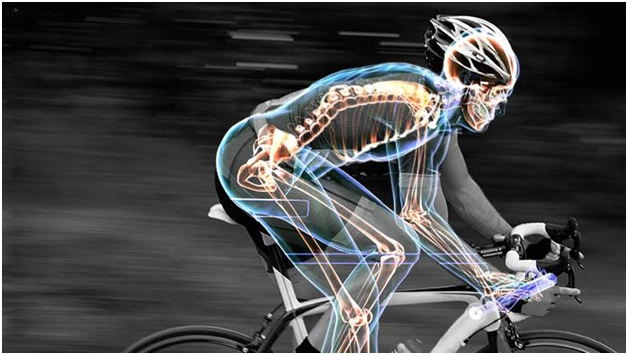
A moisture-wicking undershirt, base-layer vest, or sports bra can be worn beneath a cycling jersey. The underlayer should fit close to the body and move moisture effectively.
Base layers are particularly useful in cool or cold conditions. In warm weather, reducing unnecessary layers can improve heat release and comfort.
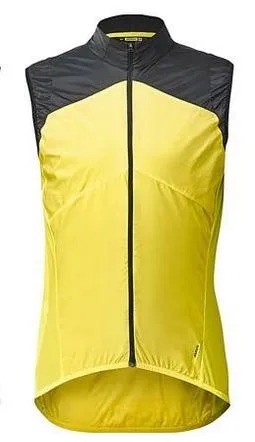
A cycling vest should be light, packable, wind resistant, and strong enough for use at speed. Depending on its fabric and coating, it can also provide water resistance while retaining useful breathability.
Polyester supports a soft, supple, lightweight shell. Reflective piping, neon details, or logos can improve visibility, while a front zipper helps regulate temperature and makes the vest easier to put on and remove.
Bib shorts suspend from the shoulders and remove the need for a conventional elastic waistband. Their comfort depends on material, ventilation, cut, straps, leg compression, seams, and the selected chamois or insert pad.
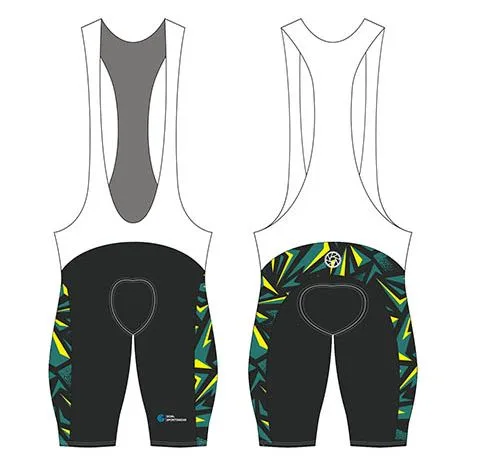
Choose a light, strong, ventilated stretch fabric that moves moisture. Mesh above the waist can reduce heat buildup. Thicker fleece-backed fabrics suit colder rides, while a suitable water-resistant finish can help in wet conditions.
Bib shorts should stretch freely and remain snug without restricting movement. Straps should stay secure on the shoulders. Men's and women's pattern blocks differ through the waist, hip, chest, and pad geometry, so the intended anatomy and fit must be specified.
Leg openings should provide compression and support without constriction. Padding is a personal and discipline-specific choice. Flatlock seams are preferred because they lie flatter against the body and reduce rubbing during long rides.
A cycling-specific windbreak jacket provides portable protection in chilly or windy conditions. It should balance warmth with enough ventilation to release heat as rider effort rises.
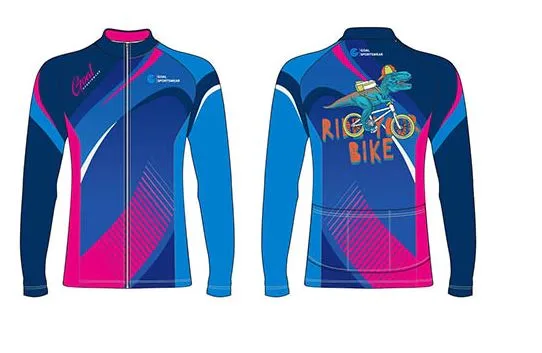
Choose cycling shorts according to the discipline, ride duration, intended fit, padding, seam construction, fabric, and budget. Mountain-bike use may call for a more relaxed cut, while road racing generally benefits from a closer form-oriented fit.
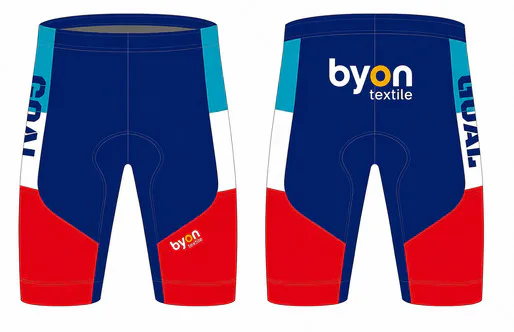
The waistband, leg length, and openings should remain secure without excessive pressure. The short must not be so long, short, tight, or loose that it interferes with pedaling.
A well-positioned insert pad can support the rider on longer distances, while gel padding can help isolate vibration. The pad and panels must be securely sewn; flatlock stitching is valued for durability, neatness, and reduced skin irritation.
Use a light, breathable, supple stretch fabric with moisture management. Price often rises with technical padding, ventilation, panel complexity, and ride-specific features, so compare cost only after defining the intended use.
Byon Textile develops custom cycling apparel around the approved artwork, performance specification, measurements, and order quantity. The focus is on practical cycling construction and consistent production rather than a generic fashion tee.
Cycling jersey fabric should move perspiration away from the skin and allow air to circulate around the rider. This helps regulate comfort in both warm and cool conditions.
Polyester is the most common sublimated cycling jersey material because it is lightweight, breathable, durable, quick drying, and compatible with disperse-dye sublimation. It can be engineered as mesh or blended with elastane, Lycra, nylon, or other microfibers where more stretch or a different hand feel is needed.
Early cycling jerseys were commonly made from wool and carried pockets on the chest. Wool provided warmth in cold conditions but could become uncomfortable in warmer weather.
Technical polyester and engineered blends later became common because they better manage moisture, ventilation, stretch, and changing temperatures. Modern cycling jerseys usually place pockets on the lower back, where they are more secure and easier to reach in a riding position.
Zippers let riders regulate ventilation as body temperature and weather change. Full zippers run from the waist to the neckline and offer maximum opening, while quarter, half, and three-quarter zippers provide progressively different ventilation and styling options.
A zipper can be visible or concealed. A fabric zip garage at the top helps prevent the slider from irritating the rider's neck or chin.
Flatlock stitching is widely used because the seam lies flat, reducing rubbing and chafing against the cyclist's skin. It can stretch with elastane-rich fabrics and is suitable for close-fitting performance garments.
A flatlock seam is visible from both sides and can add a clean decorative line. When correctly specified and sewn, it provides a neat, durable construction for cycling jerseys, shorts, and related sports apparel.
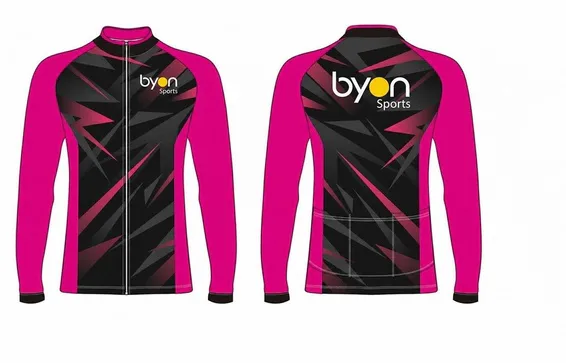
Rear cycling jersey pockets provide accessible storage for keys, money, nutrition, phones, compact jackets, and other small ride essentials. Their riding-position placement helps keep contents stable and reachable.
The pocket volume and placement should avoid distorting the jersey when loaded. Zippered pockets add security, and moisture-resistant constructions can offer extra protection for phones, earphones, or money.
Custom sublimated cycling jersey production moves from approved digital artwork through transfer printing, heat transfer, panel cutting, stitching, quality control, and shipment.
Names, numbers, logos, sponsor artwork, graphics, and color placements are prepared in design software and arranged on the cycling jersey panels for approval.
The approved artwork is printed in reverse with sublimation dye onto treated transfer paper designed to release the image under controlled heat and pressure.
The paper is aligned with compatible polyester fabric and passed through the heat-transfer process. Heat converts the dye to gas so it diffuses into the polymer structure; as the material cools, the color becomes embedded within the fabric.
After sublimation, the printed fabric is cut into approved panel sizes and assembled with the specified seams, zippers, pockets, grippers, trims, and labels.
Fabric, print alignment, color, panel cuts, measurements, seams, accessories, and workmanship are checked against the approved specification.
Approved garments are folded, packed according to the order requirements, and dispatched through the agreed shipping method.
The appropriate freight method depends on volume, destination, delivery deadline, and budget. Byon Textile can quote the practical options for each shipment.
Weather changes the ideal sleeve length, cut, fabric weight, ventilation, and layering strategy. A short-sleeve, close-fitting, breathable moisture-wicking jersey works well in dry warm weather.
Cold conditions call for long sleeves and a warmer but breathable fabric. A zipper helps release heat as effort rises, while a base layer can add warmth in milder cold. Windy conditions generally favor a closer fit that reduces loose fabric and air resistance.
A mountain cycling jersey should remain secure without restricting movement. Cuffs should sit close enough to avoid rubbing but should not constrict the arm, and the body should allow ventilation and the movement required by the riding position.
Close aero fits reduce loose fabric and wind resistance. More relaxed club or trail fits provide extra comfort and room but may create more movement in windy conditions. The correct choice is the fit that supports the intended discipline, protection, layering, and rider preference.
Ordering FAQ
Quick answers for planning a custom sublimated cycling apparel order with Byon Textile.
Yes. Full dye sublimation supports detailed full-color artwork across the approved polyester panels without a peelable print layer.
Quarter, half, three-quarter, and full-length zippers can be specified, with visible or concealed constructions and optional zip garages.
Yes. Jerseys can be coordinated with vests, shorts, bib shorts, cycling pants, and windbreak jackets in matching artwork.
Samples typically take about 7-9 days, while eligible bulk orders can take approximately 10-12 days after proof approval. The confirmed schedule appears on the quotation.
Yes. Pattern blocks, measurements, grading, sleeve length, and fit can be developed for men's, women's, youth, club, race, road, and mountain applications.
Start Your Cycling Jersey Order
Share your artwork, quantity, size range, zipper preference, fabric, fit, delivery destination, and required date. Byon Textile will help define a production-ready cycling apparel specification.