Complete customization
Choose team colors, logos, names, numbers, sleeve details, piping, buttons, labels, and packaging.
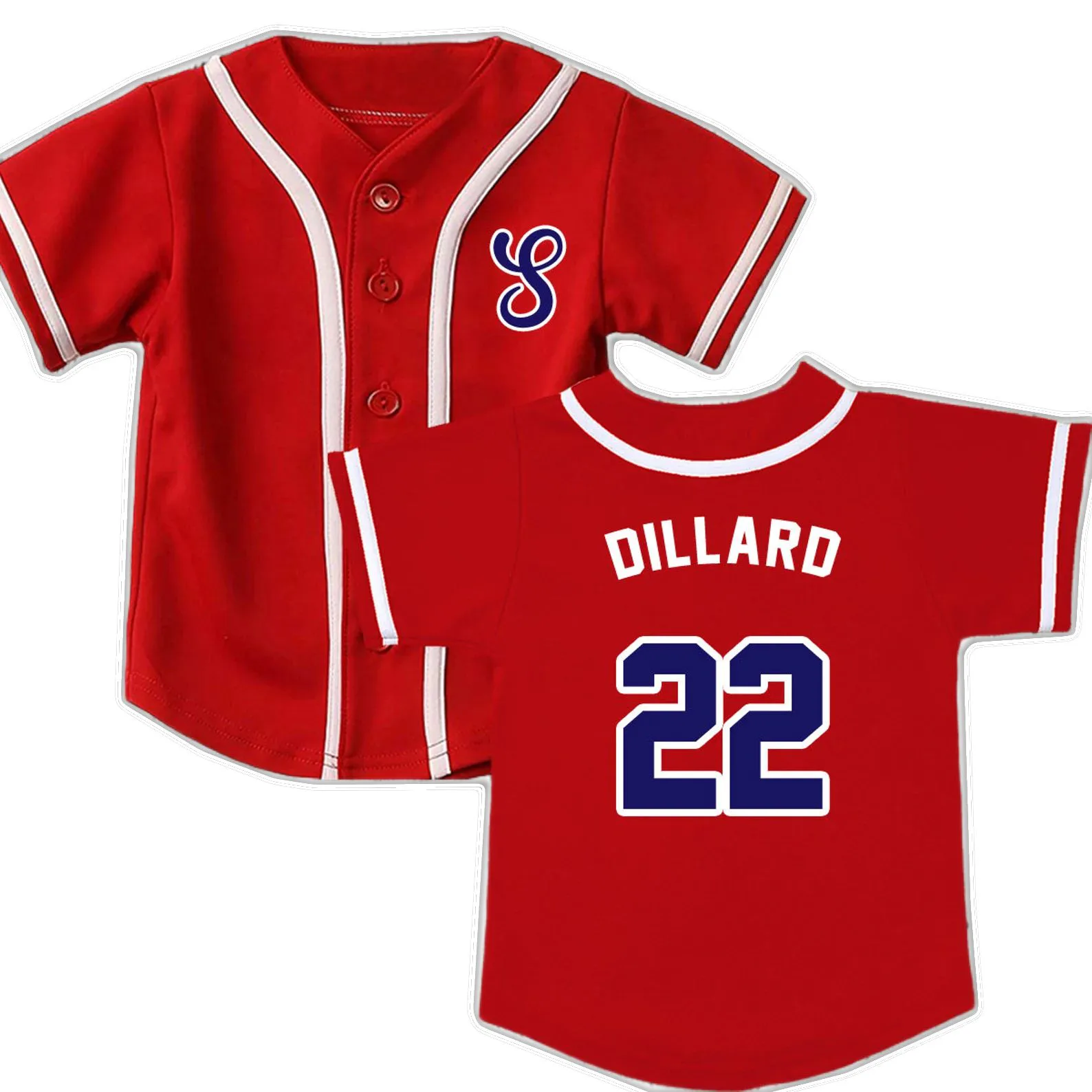
Create soft, comfortable toddler baseball jerseys with custom colors, logos, names, numbers, sleeve lengths, collars, closures, fabrics, sizes, labels, and packaging.
Made for young players
Choose an existing style or send a custom brief covering fit, fabric, artwork, closures, decoration, labeling, packing, and the safety requirements for the destination market.
Choose team colors, logos, names, numbers, sleeve details, piping, buttons, labels, and packaging.
Select breathable polyester fabrics with durable seams and a lightweight print finish for training and game day.
Artwork proofs, size specifications, sampling, inspection, and export packing are managed from one approved brief.
The toddler jerseys were soft, colorful, and simple for parents to wash after games. Even the small names across the back came out centered and easy to read.
Jersey examples
Browse all 15 toddler jersey examples, then send the preferred reference with your colors, quantity, sizes, artwork, delivery country, and target date.
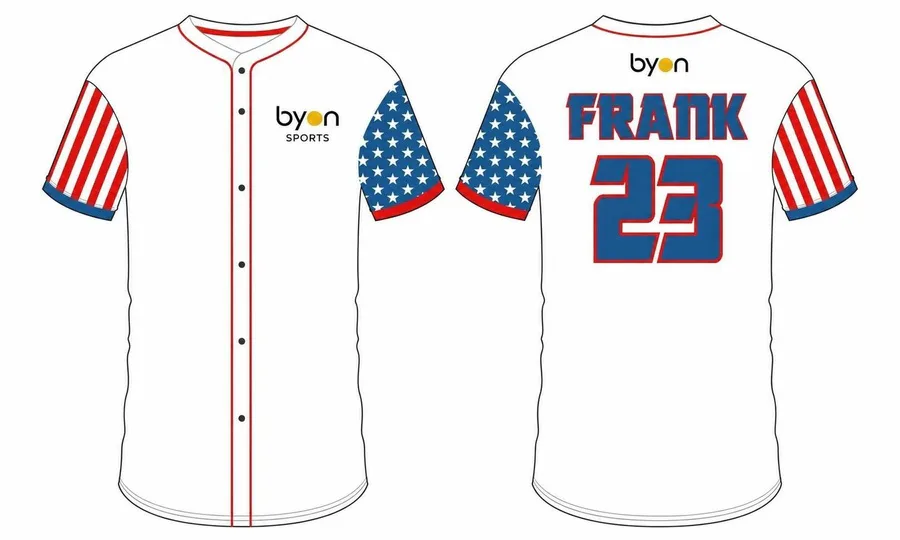
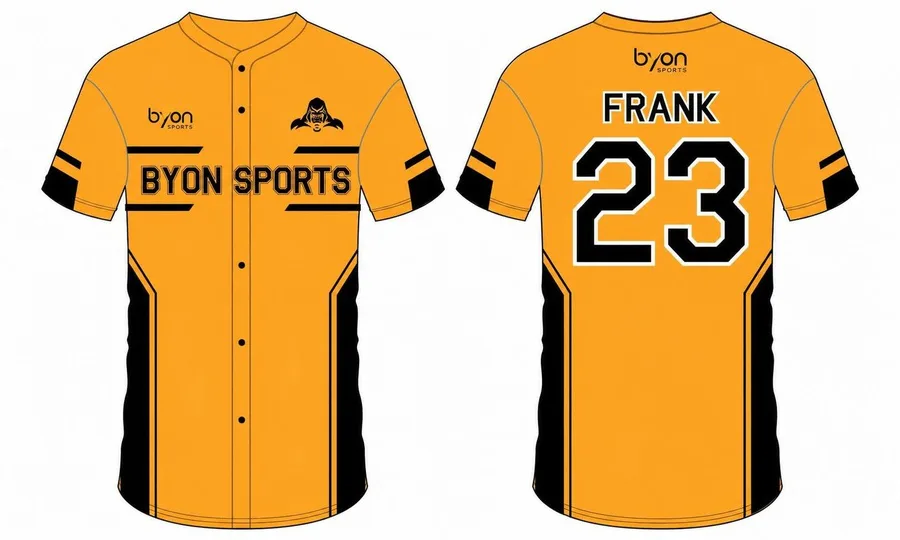
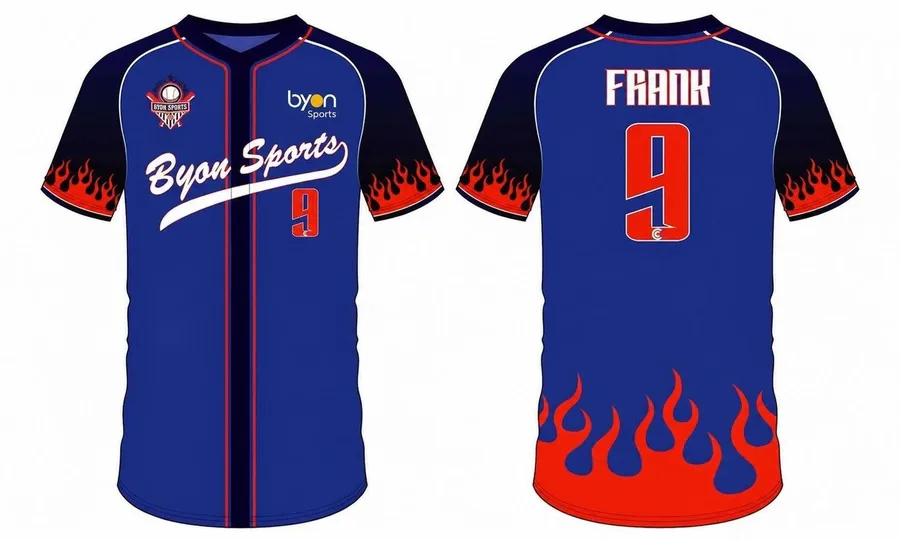
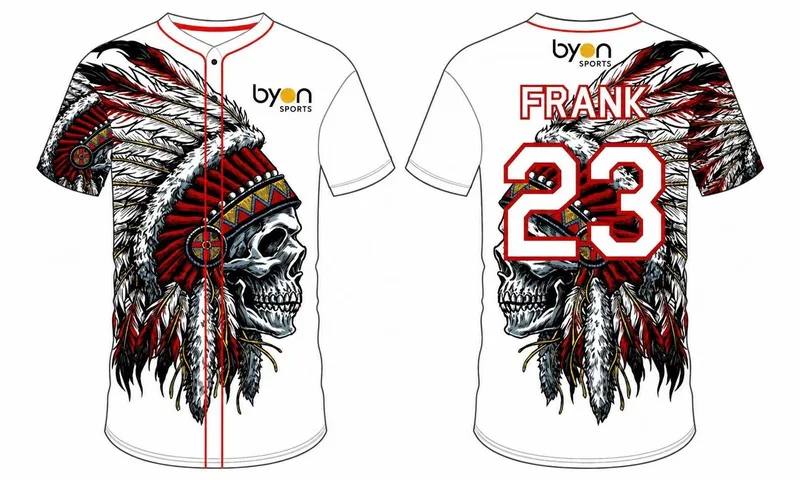
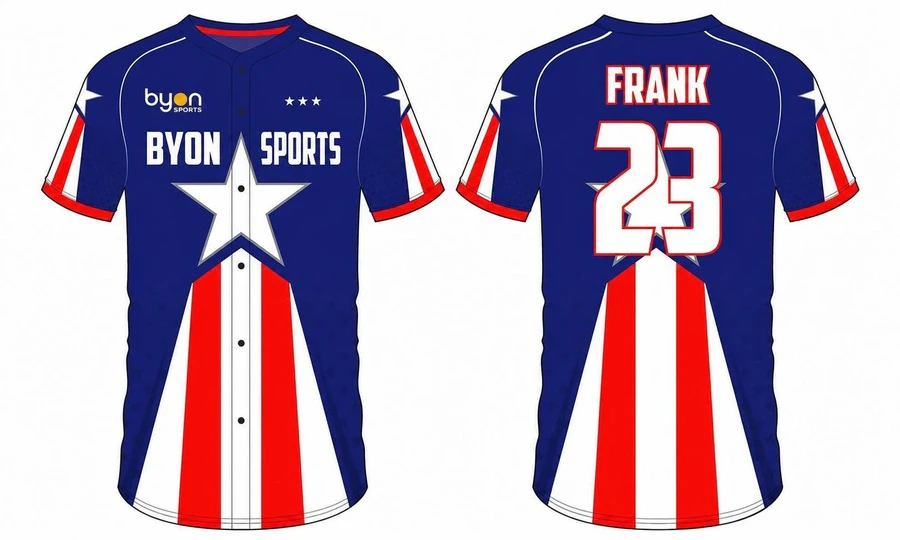
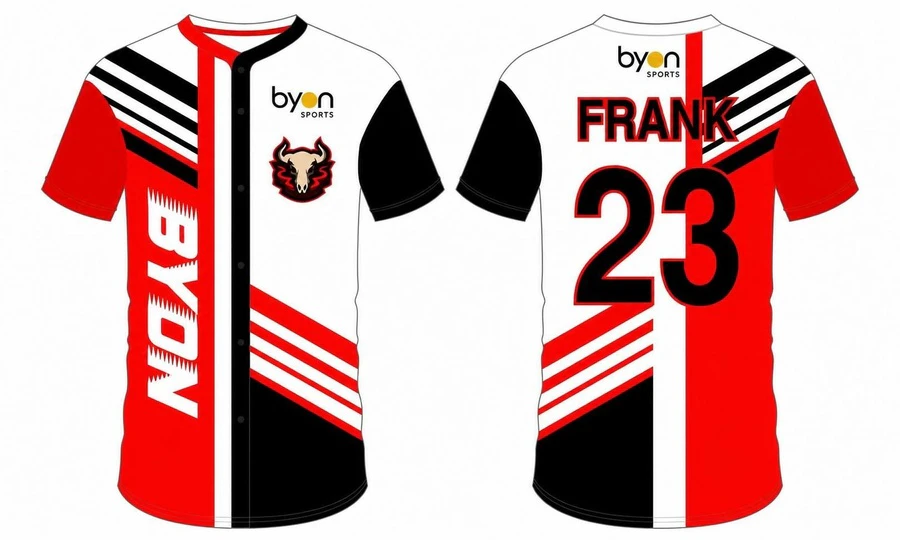
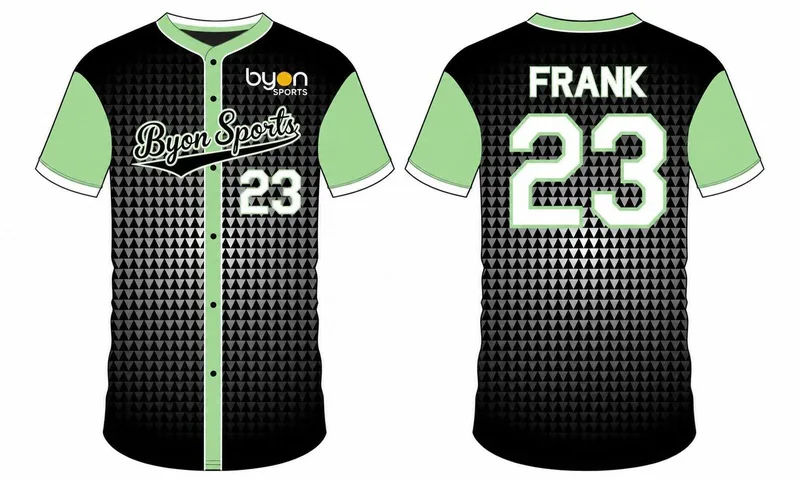
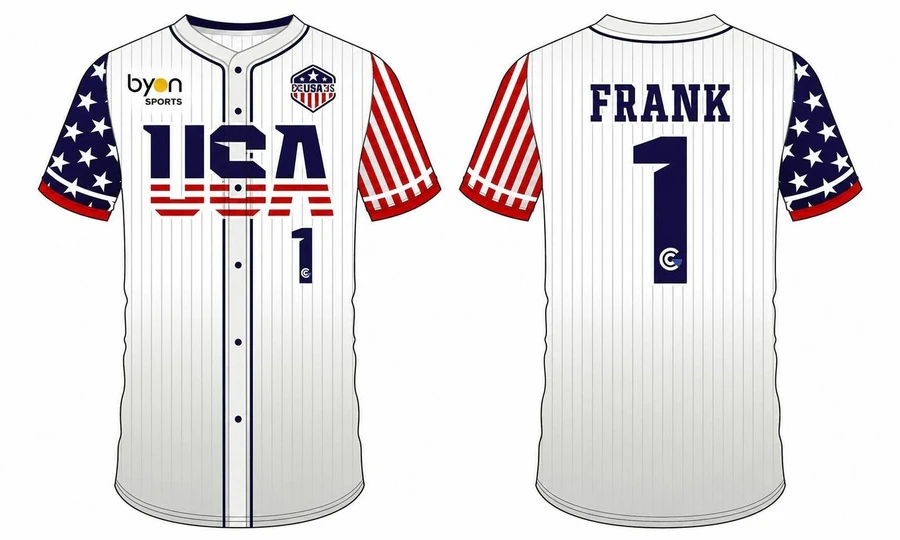
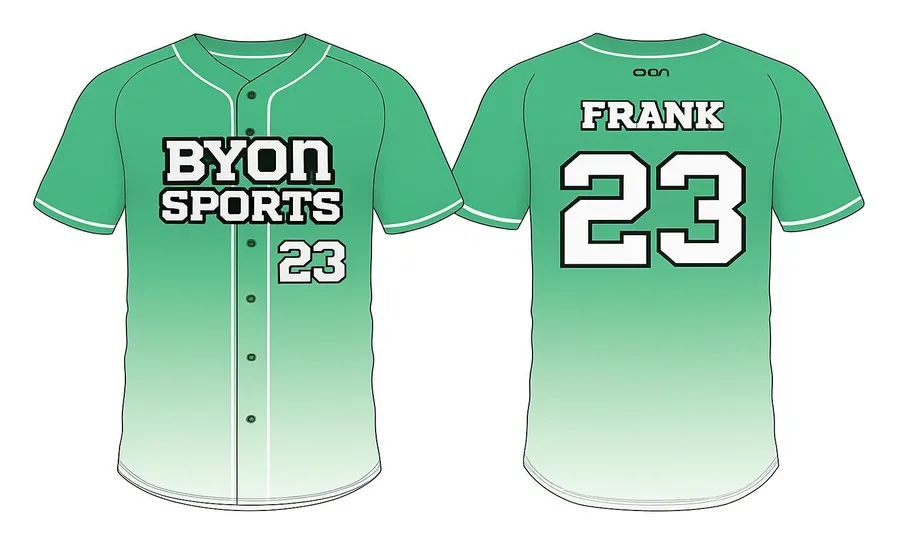
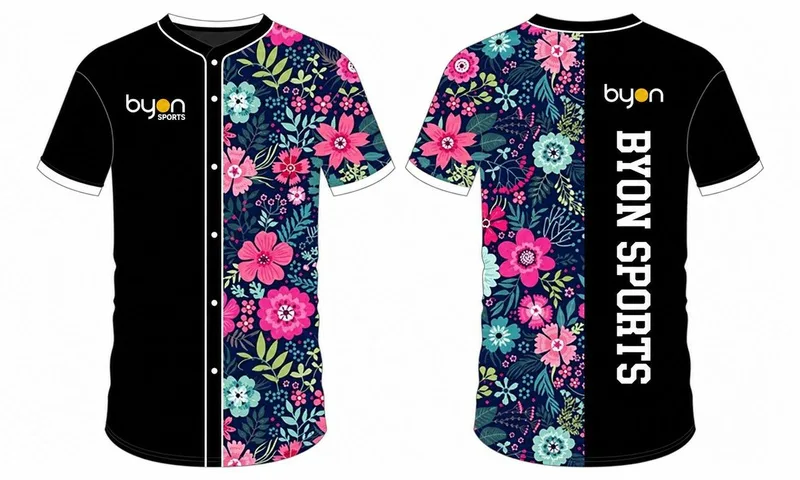
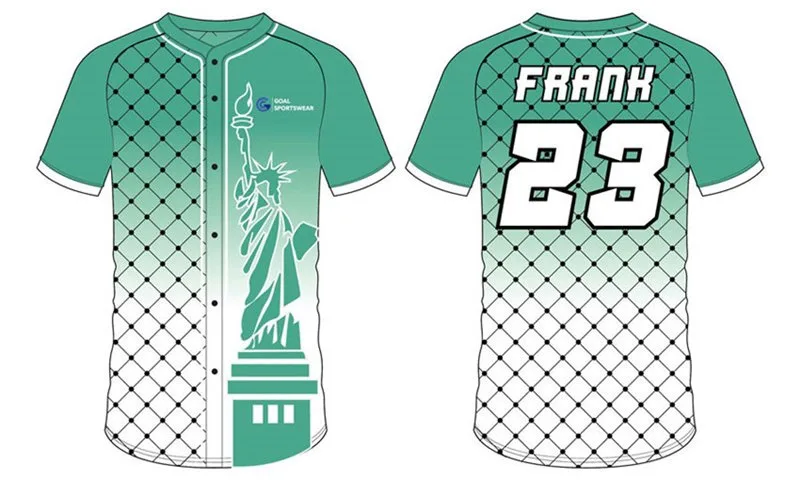
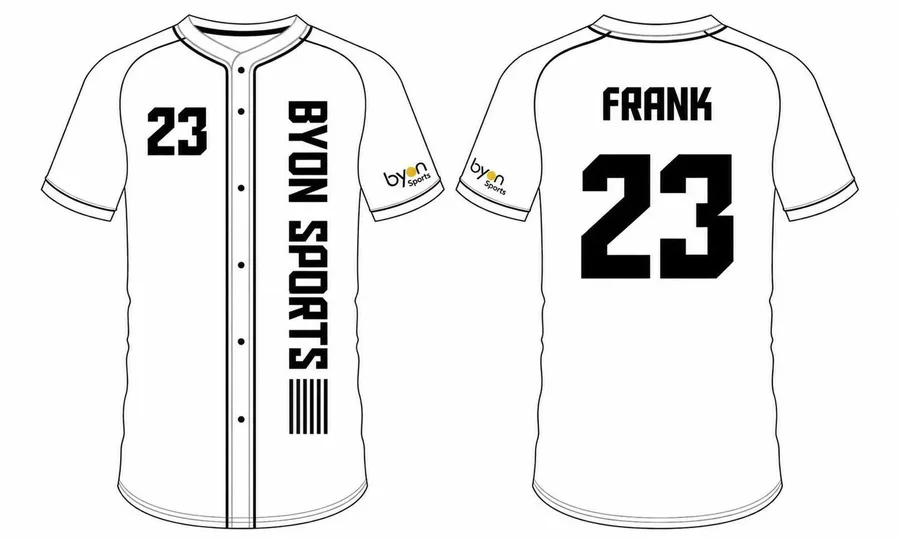
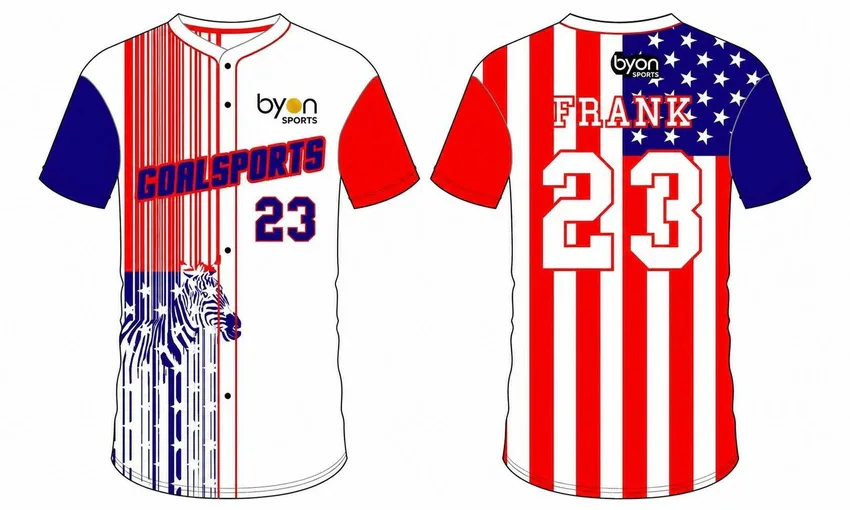
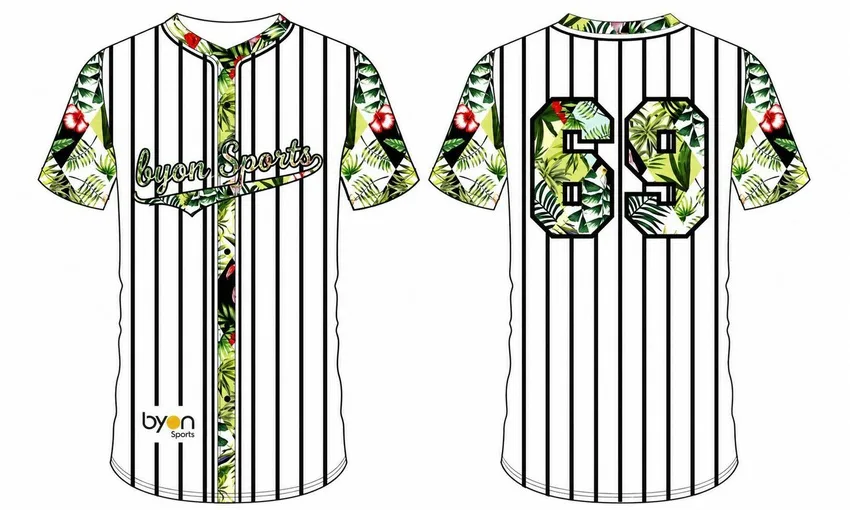
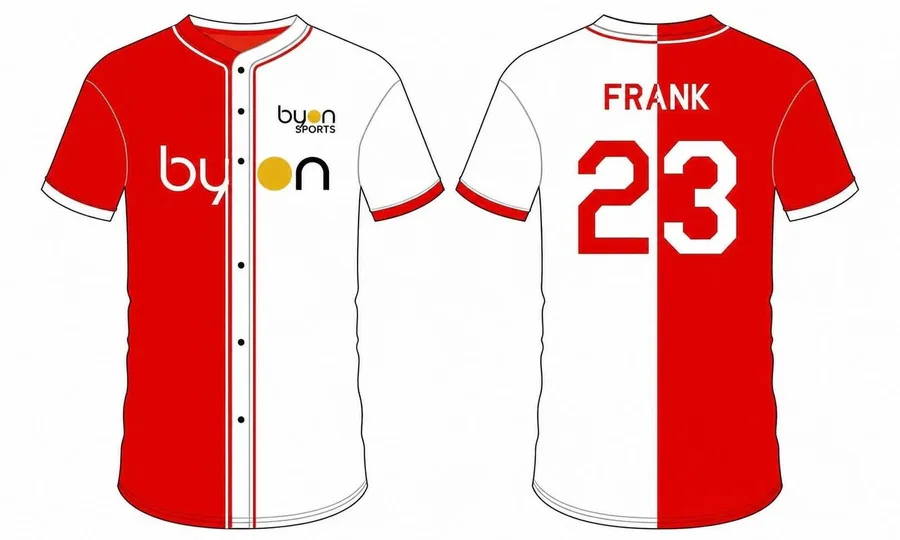
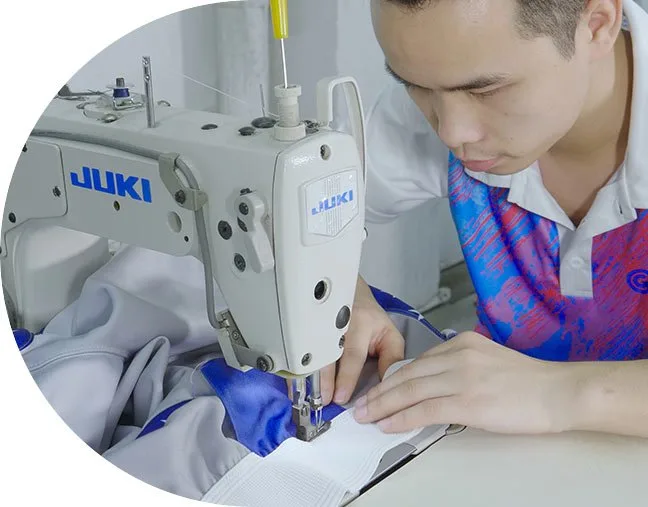
Byon Textile production
Choose an existing reference or develop a fully custom toddler jersey. Byon Textile reviews the artwork, materials, sizing, decoration, construction, labeling, packing, and destination-market requirements before production.
Construction gallery
These seven full-resolution images show the principal construction areas used when reviewing a custom toddler baseball jersey.
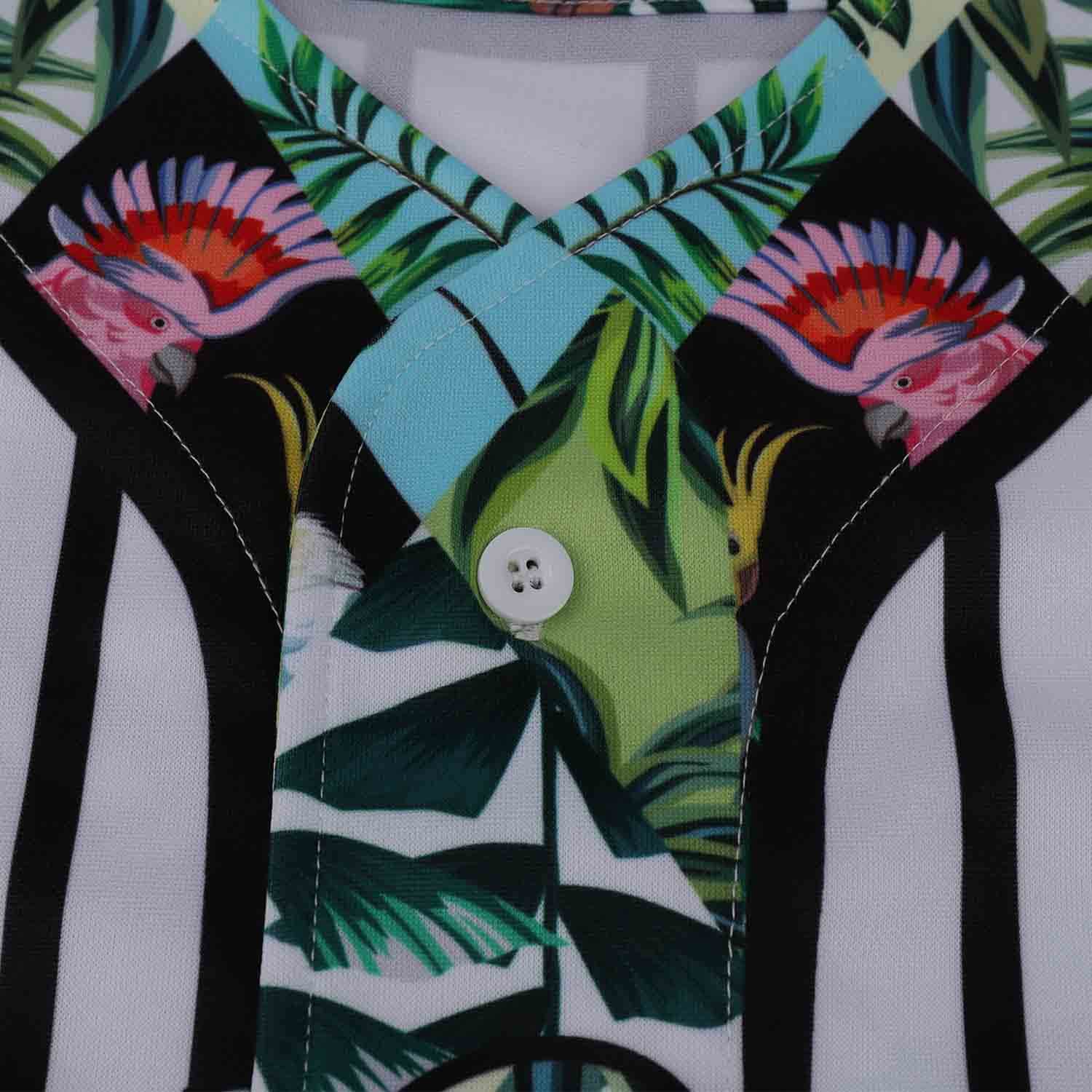
Button shape, material, attachment, spacing, placket alignment, and child-safety requirements are checked before approval.
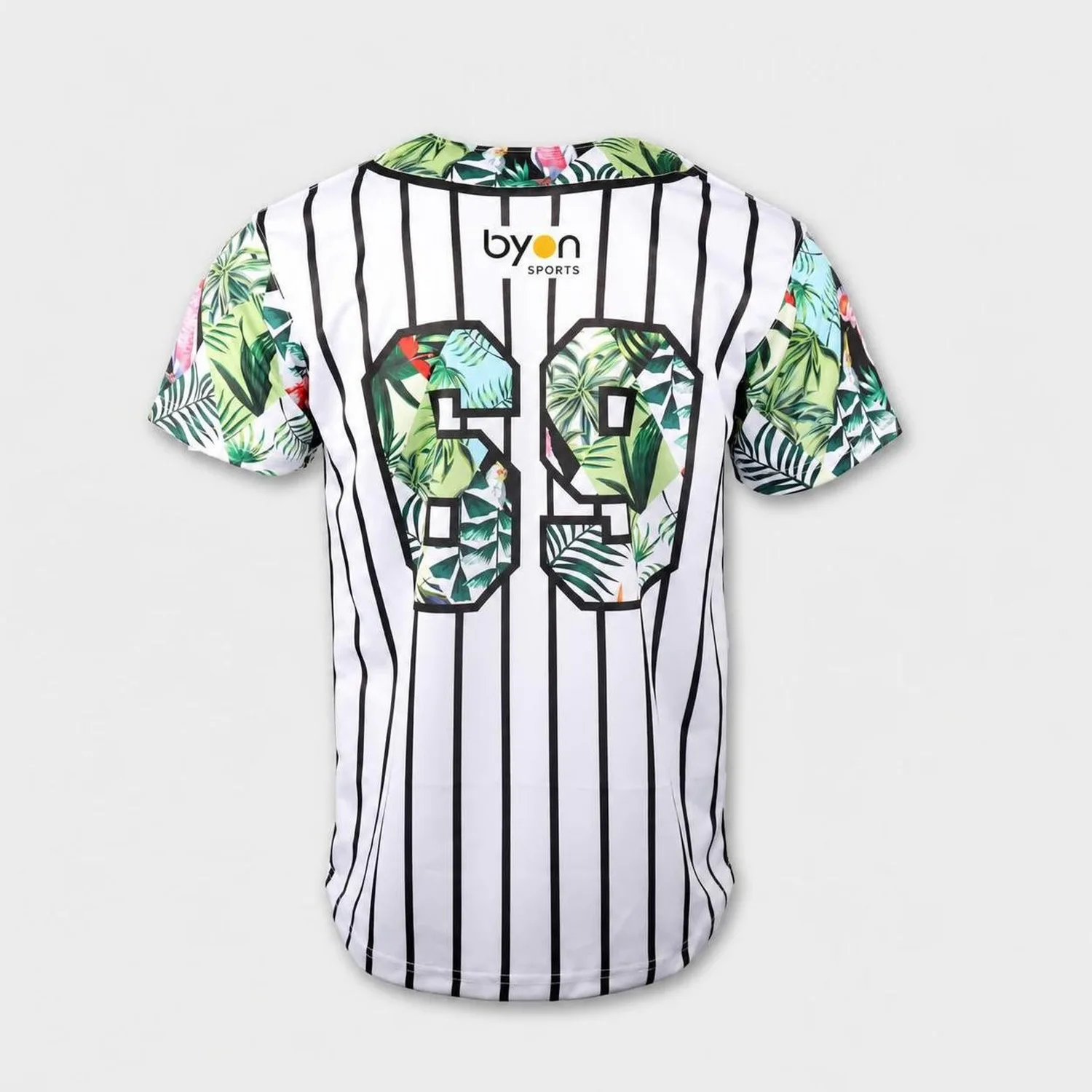
Names, numbers, back artwork, and seam alignment follow the approved toddler pattern.
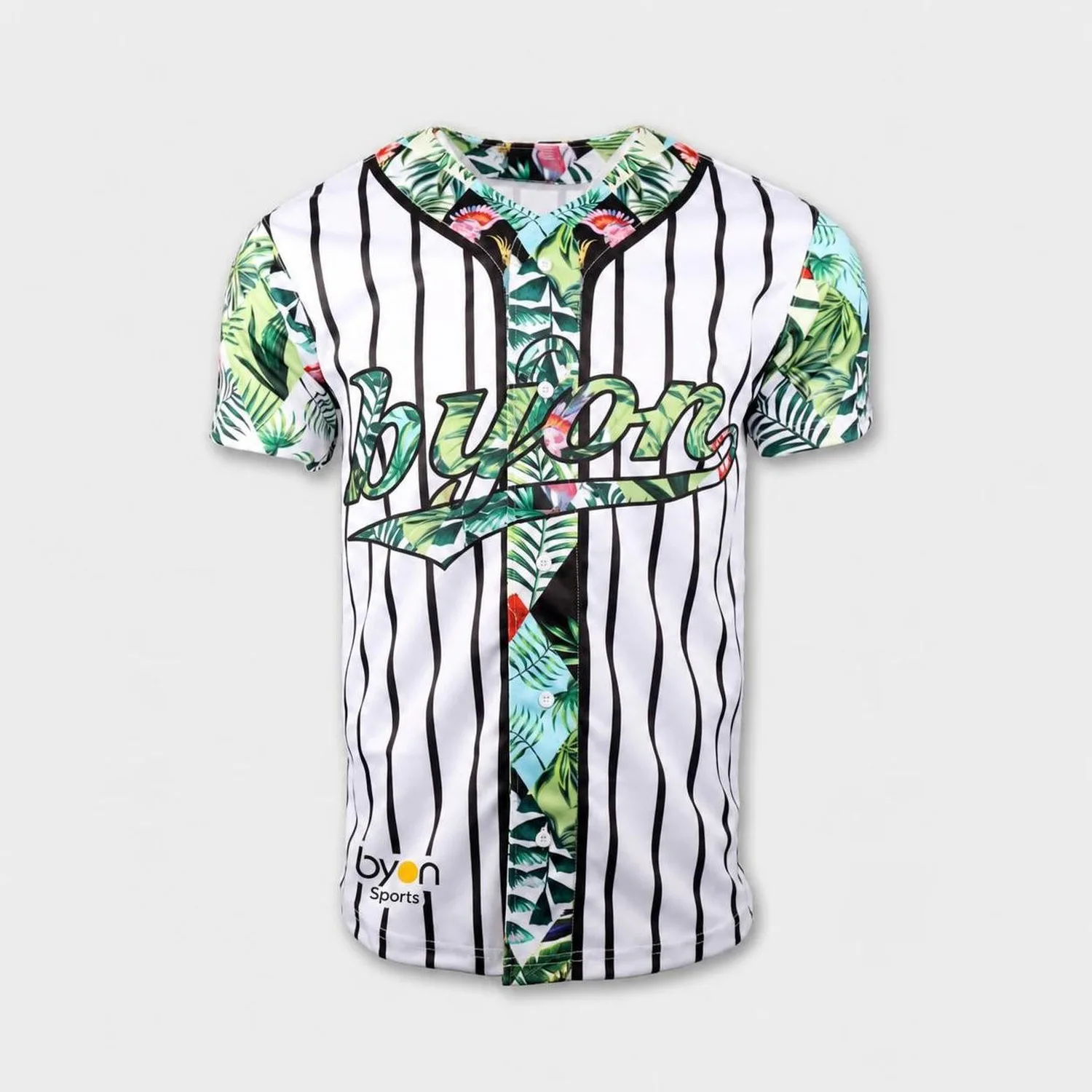
Front graphics, neckline, placket, team identity, and proportions are checked together.
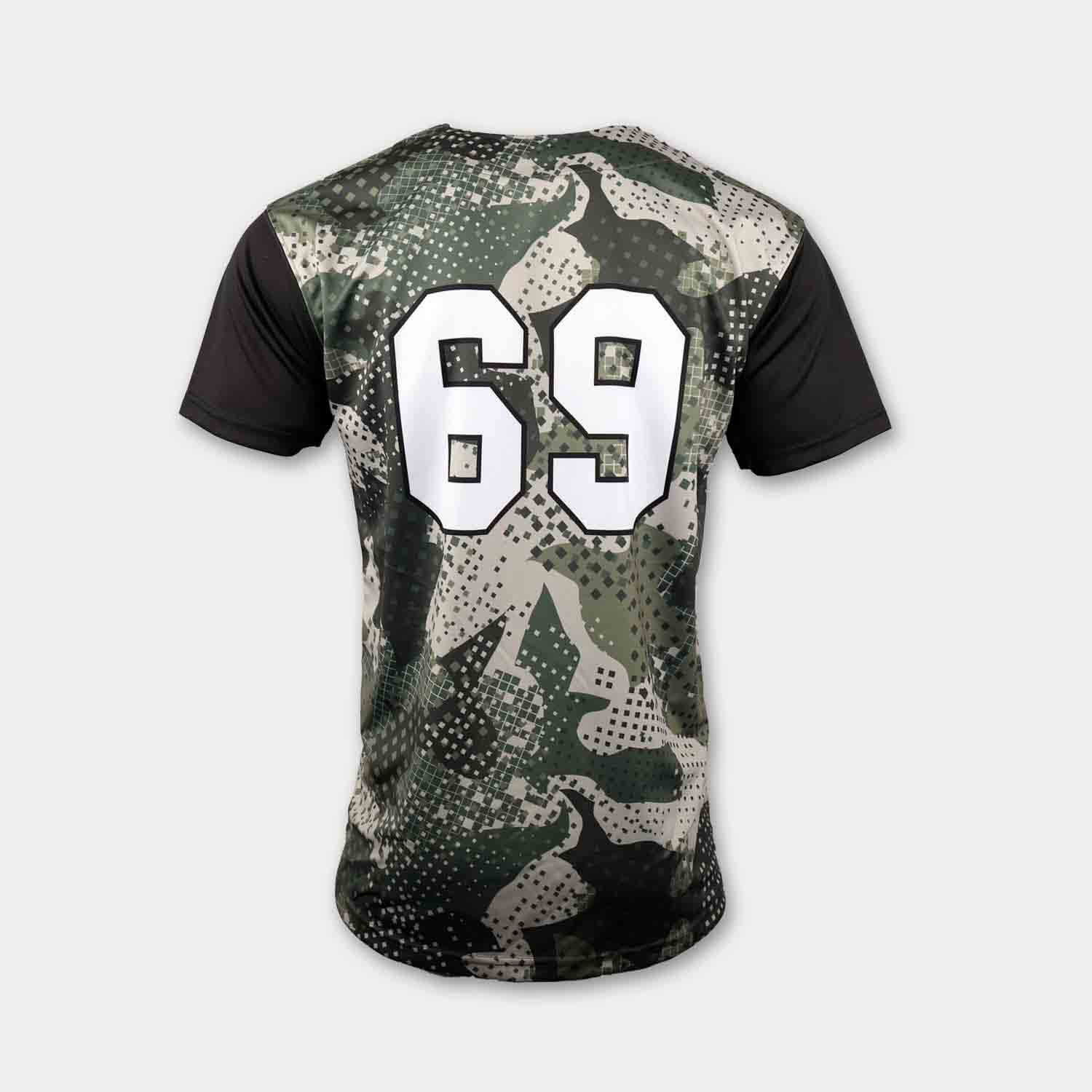
The rear design is aligned to the approved full-button pattern and toddler size grade.
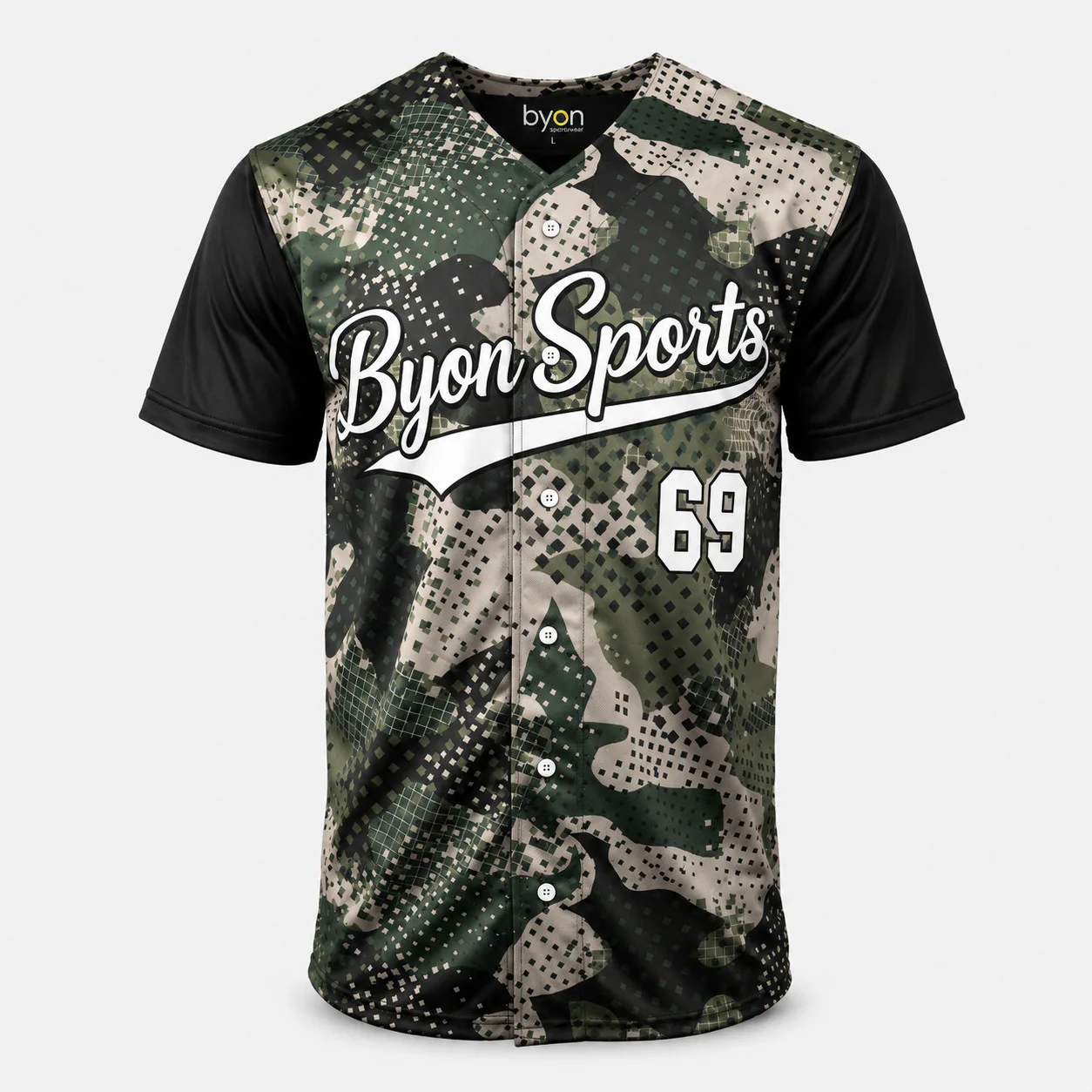
The front closure, collar, artwork, and panel matching are reviewed before production.
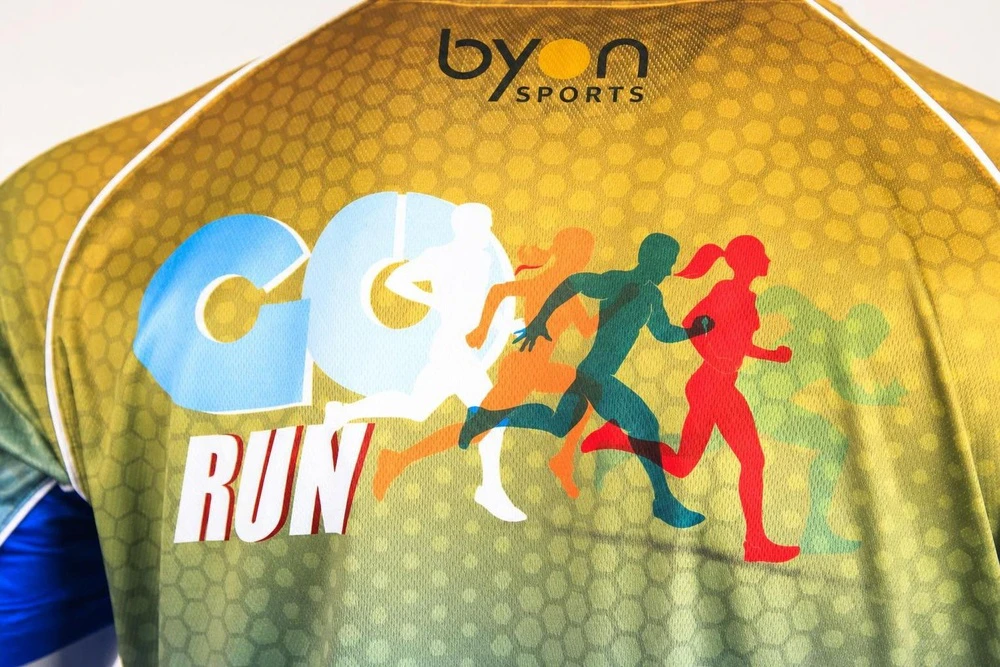
Compatible ink, paper, fabric, temperature, pressure, time, and alignment are controlled for a clear print.
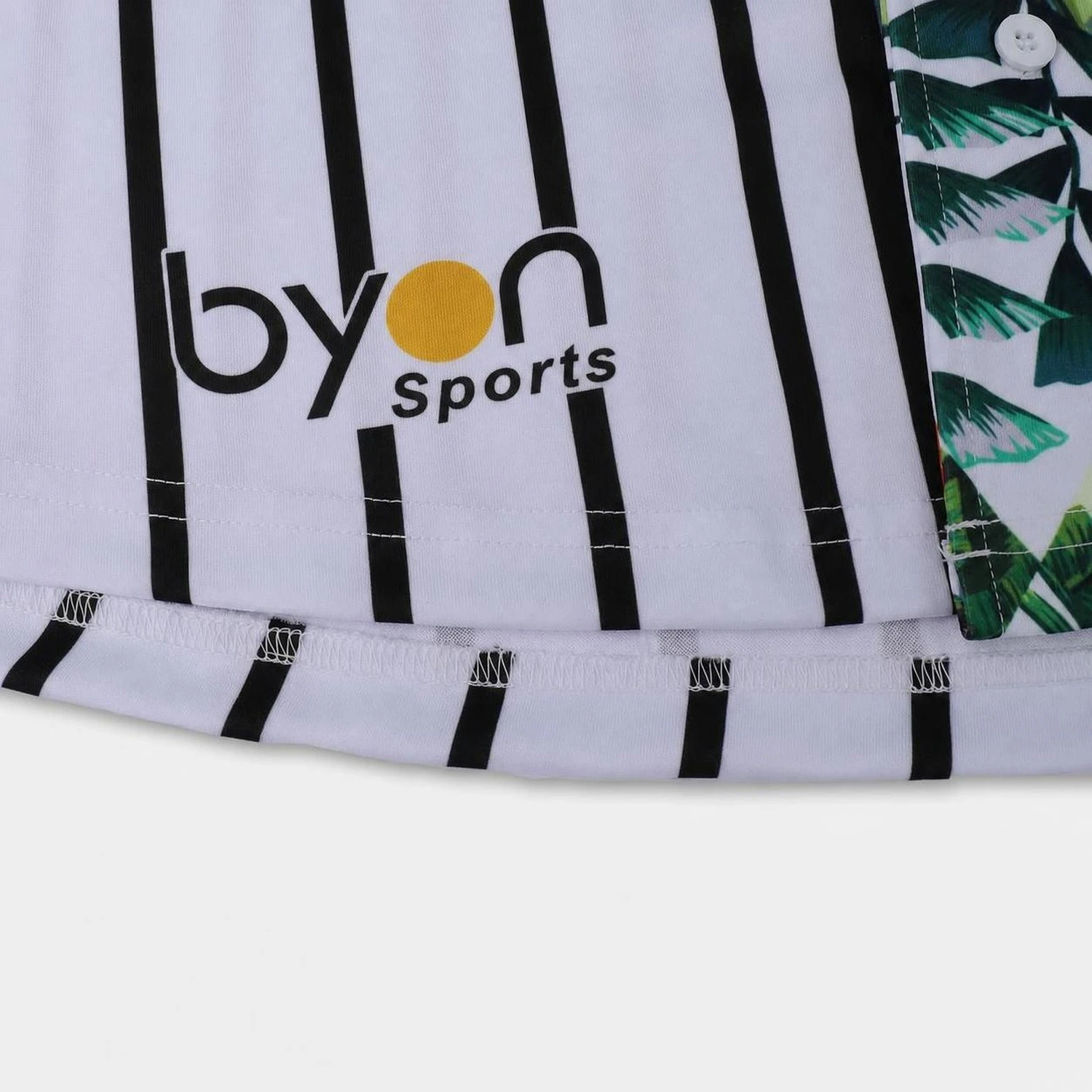
Double stitching, seam consistency, reinforcement, loose threads, and decoration attachment are inspected.
Ordering process
Send the complete requirements, approve the artwork and materials, then follow the jerseys through manufacturing and delivery.

Share the style, quantity, sizes, colors, logos, names, numbers, and delivery country.
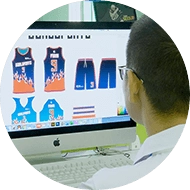
Review the artwork placement, fabric, trims, measurements, labels, and packing.
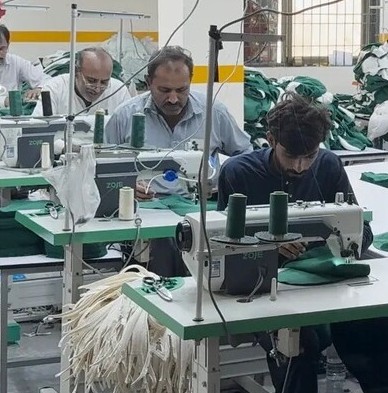
Fabric is printed, cut, stitched, finished, and inspected against the approved sample.
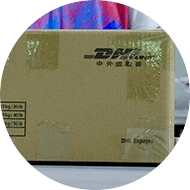
Completed jerseys are counted, packed, and prepared for delivery to your destination.
Ultimate FAQ guide
Review toddler jersey pricing, fabrics, quality, sleeves, fit, colors, printing, sizing, decoration, safety, trends, manufacturing, collars, and reversible styles.
Byon Textile manufactures custom toddler baseball jerseys for teams, organizations, retailers, and sportswear businesses. Friendly support staff, skilled workers, and organized production help process orders efficiently, including during busy periods.
Every shipment passes through quality control to check the approved design, logo, colors, player details, sizing, stitching, decoration, labels, packing, and order quantities.
Buyers can select an existing toddler jersey or submit a fully custom style. Sizes, colors, artwork, fabric, decoration, closures, and packaging can be developed around the order specification.
Toddler jersey fabric options include polyester and cotton. Polyester performance options can provide moisture management, while available antimicrobial treatments can help control odor-causing bacteria. The exact fabric and treatment should be confirmed for the intended use and destination requirements.
Retail and organization orders can include authorized designs, numbers, names, logos, slogans, mascots, and brand details. Competitive production planning, turnaround, delivery, and repeat-order support are available.
Related products include sublimated compression pants, custom running shorts, fleece shorts, cotton shorts, spandex shorts, baseball shorts, athletic shirts, and other coordinated sportswear.
Send the design, quantity, toddler sizes, fabric preference, destination, compliance requirements, and target date for a current quotation.
A toddler baseball jersey may cost approximately USD 14 or less depending on the quality, design, material, minimum order quantity, decoration, customization, packing, and delivery requirements.
Some quality toddler jerseys are also priced from approximately USD 14 upward. Request a current quote from the complete specification because reference prices change with materials and production conditions.
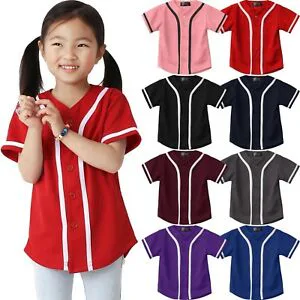
Polyester is widely used because suitable constructions can be breathable, lightweight, elastic, durable, wrinkle resistant, and effective at moving perspiration away from the body.
Polyester is economical compared with many alternatives and is one of the principal fibers suited to dye sublimation. Correctly selected polyester is robust, resists shrinking, and can retain its shape.
Cotton is also used for some toddler jerseys because it can feel warm, stretchy, soft, and comfortable. The fabric should be selected around the decoration method, intended activity, care, skin sensitivity, safety requirements, and season.
Quality should be checked against the approved sample, material, construction, measurements, artwork, decoration, and child-safety specification.
Fabric has a major effect on quality and durability. Polyester is frequently preferred for performance and sublimated jerseys.
Quality toddler baseball jerseys should have consistent stitching, secure joins, suitable reinforcement, and no problematic loose threads.
The original price reference begins at approximately USD 14. A lower price should be assessed carefully against the actual fabric, construction, testing, service, and order specification.
Baseball jersey numbers can use block, narrow, or rounded formats. Confirm scale, placement, contrast, and legibility on every toddler size.
Patches may be sewn onto the jersey rather than embroidered directly. Check attachment, backing, edges, comfort, and the applicable child-safety requirements.
Review the color options, color design, look, feel, artwork balance, and how the design scales across 2T through 5T.
Toddler jerseys can be sleeveless or use three-quarter, long, or short sleeves.
This sleeve runs from the shoulder to approximately the middle of the forearm.
A long sleeve covers the full arm toward the wrist.
A short sleeve runs from the shoulder to approximately the top of the elbow.
Sleeveless toddler jerseys are also available where the style and intended use call for an open armhole.
Toddler apparel should be planned around health, comfort, texture, fit, closures, decoration, and applicable safety requirements.
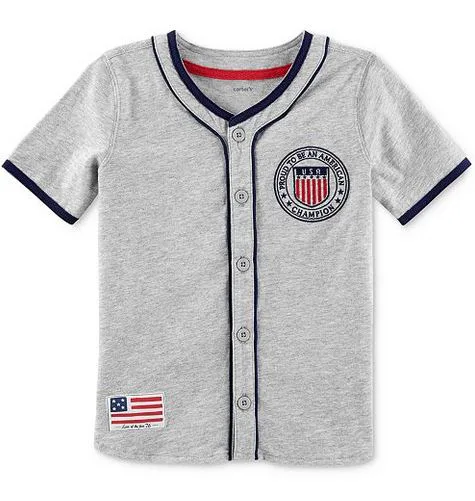
Account for known sensitivities or allergies. Wool, nylon, rayon, dyes, finishes, labels, or other materials may irritate some children, so the responsible adult should review the selected specification where sensitivity is a concern.
Toddler baseball jerseys should be comfortable and allow easy movement without unnecessary restriction.
Choose a smooth hand feel suitable for soft toddler skin and avoid rough fabrics, seams, labels, or decorations likely to cause irritation.
A toddler baseball jersey should have a comfortable, easy fit that supports nonrestrictive movement and natural stretching without being excessively loose around closures or decorations.
Use current body measurements and an approved garment chart rather than relying only on age because toddler proportions vary.
Toddler baseball jerseys can use a wide variety of colors. White is a common traditional choice, while any suitable team palette can be developed through custom printing.
Older retail conventions often associated pink with girls and blue with boys. Modern teams and buyers can select any approved color combination regardless of gender.
Authorized graphics, logos, names, slogans, numbers, mascots, team identities, and other approved artwork can be printed on toddler baseball jerseys.
Every design should be scaled and positioned for the smaller garment pattern and checked for legibility, comfort, decoration attachment, and destination-market requirements.
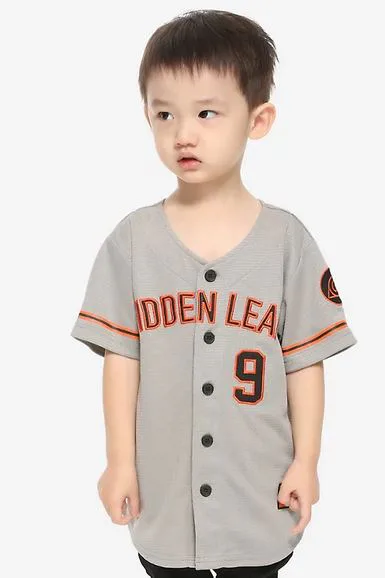
Available methods include screen printing, direct-to-garment printing, laser transfer, dye sublimation, discharge printing, belt printing, stencil printing, and resist dyeing. The best method depends on the fabric, artwork, quantity, feel, durability, care, and compliance requirements.
Dye sublimation is particularly suitable for compatible polyester toddler jerseys because it supports customization, versatility, durable color, broad color choice, fast transfer, a smooth feel, and detailed artwork.
Names, slogans, numbers, mascots, and other approved artwork can be incorporated into the design. The finished jersey can be worn for sports or casual use.
Digital sublimation embeds compatible dye into polyester fibers, helping the artwork retain vibrancy and produce a detailed, lifelike appearance without a thick surface layer.
Sublimation can reduce water use and print waste in some workflows, but responsible production still requires ventilation, worker protection, energy control, material handling, and waste management.
Sublimation supports a broad color range and can print multiple items quickly. The supplied process reference lists approximately 35 seconds for transfer onto polyester apparel. Because the dye enters the fabric, the jersey remains smooth and breathable.
Screen printing uses a mesh screen, ink, and squeegee to apply a stenciled design. Flatbed screen printing is generally more manual and can be expensive, while rotary screen printing is a mechanized version.
Plastisol ink can be applied and cured at a controlled temperature. Screen printing can be economical and support varied graphics, but color matching can be difficult, labor requirements can be high, and print quality may wear over time.
Direct-to-garment printing, or DTG, generally requires fabric pretreatment using a pretreatment machine. Specialized aqueous ink is printed and heat pressed or cured on the fabric.
DTG can produce lifelike images and is relatively fast and straightforward. The print can wear over time, and unit costs can increase as the required quantity grows.
Toddler jersey designs can be organized around the sleeve length, neckline, closure, panel shape, color blocking, and artwork.
Common toddler jersey sizes include 2T, 3T, 4T, and 5T. Height, chest, waist, weight, body shape, ease, and the intended fit should be reviewed together.
Measure the toddler carefully with help from a responsible adult and compare the measurements with the approved production chart. Avoid relying only on age because fit varies by child and garment pattern.
| Measurement | 2T | 3T | 4T | 5T |
|---|---|---|---|---|
| Suggested age | 2 years | 3 years | 4 years | 5 years |
| Height | 33-36 in | 36-39 in | 39-42 in | 42-45 in |
| Chest | 20.5-21.5 in | 21-22 in | 21.5-22.5 in | 22-23 in |
| Waist | 19.5-20.5 in | 20-21 in | 20.5-21.5 in | 21-22 in |
| Weight | 30-33 lb | 40-46 lb | 36-40 lb | 40-46 lb |
These are reference measurements from the supplied chart. Confirm all values against the approved production chart before ordering.
Size 2T tends to suit slimmer toddlers who can walk upright and is commonly recommended around age two.
Size 3T is commonly recommended around age three, subject to the child's current measurements.
Size 4T is commonly recommended around age four, subject to the child's current measurements.
Size 5T is commonly recommended around age five, subject to the child's current measurements.
Available decoration methods include embroidery, tackle twill, vinyl transfer, applique, and printed artwork. Each method should be assessed for appearance, durability, comfort, attachment, care, and child safety.
Embroidery uses needle and thread to decorate fabric. Needlepoint or canvas work stitches through a fabric mesh to create dense coverage. Counted embroidery follows predetermined threads in fabrics such as specially woven linen or cotton, with blackwork as one example.
Surface or free embroidery does not depend on the underlying weave and can include cutwork and drawn threadwork. Modern computerized machine embroidery improves precision and commonly uses polyester or rayon thread for logos. Digital proofs can be reviewed before order completion.
Tackle twill uses durable polyester twill applique pieces stitched onto the jersey. It is sturdy but can be more limited for highly detailed graphics.
Vinyl transfer uses heat to attach cut vinyl to a garment. It can be durable and economical, although complex production can be time-consuming.
Applique combines ideas from embroidery and tackle twill. Artwork is digitized, material pieces are cut, and the pieces are sewn onto the jersey for a durable, high-quality, and potentially complex design.
Toddler jerseys do not generally require unusual care, but the buyer should follow the approved washing, drying, and ironing instructions for the fabric, print, embroidery, applique, vinyl, closures, and labels.
Toddler baseball jerseys can be designed as unisex or gender-neutral garments, or developed as boys' and girls' retail styles according to the buyer's pattern and merchandising requirements.
Any toddler can wear the colors and styles selected by the responsible adult or organization. Fit, comfort, safety, and current measurements matter more than traditional color conventions.
Toddler baseball jerseys should meet the applicable minimum safety, labeling, chemical, flammability, and construction requirements for the destination market.
Requirements vary by country, state, product category, material, and intended use. Buyers should provide the applicable standard and testing requirements before sampling and bulk production.
Samples should be assessed before market release using the testing and documentation required in the destination jurisdiction. Common hazards include chemical toxicity, sharp edges and points, choking or ingestion, and strangulation or entrapment.
U.S.-bound programs may need to consider requirements associated with the Flammable Fabrics Act and textile labeling rules, together with any other applicable children's product requirements. Confirm the current legal and laboratory-testing scope with a qualified compliance professional.
Toddler baseball jerseys increasingly combine sports styling with casual athleisure use. Both classic and contemporary designs often adapt adult baseball silhouettes to smaller toddler patterns.
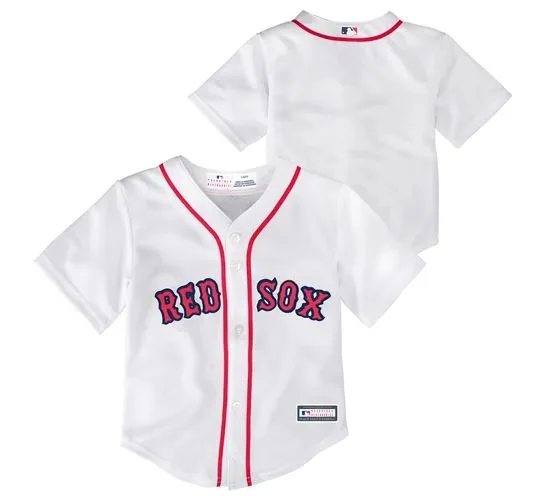
Parents and organizations increasingly consider fashion, team identity, customization, comfort, and practical use when purchasing toddler baseball jerseys.
Legacy toddler apparel often used pink for girls and blue for boys. Current custom programs can use any palette, artwork, and style without relying on those stereotypes.
Popular adult-inspired directions include classic full-button, classic two-button, raglan full-button, raglan two-button, slide, and All-Star styles.
Toddler jersey closures have expanded beyond traditional buttons to snaps and zips for convenience and design flexibility. Every closure still requires a child-safety review.
Toddler garments are increasingly developed with flammability, textile labeling, closure attachment, decoration edges, chemical restrictions, and other destination-market safety considerations in mind.
Manufacturing follows the approved design, toddler pattern, fabric, decoration, safety, labeling, packing, and delivery specification.
A graphic artist prepares mockups using the approved jersey pattern. Buyers without finished artwork can work with a design studio. The final production design is mirrored onto suitable transfer paper for sublimation.
Fabric is cut according to the approved design and size pattern. Automated Computer Numerical Control, or CNC, cutting can minimize errors, while the material is laid flat to support accuracy.
During sublimation, controlled heat causes compatible dye to vaporize and bond with polyester. The transfer is placed face down, aligned with heat-resistant adhesive tape where required, pressed, and then allowed to cool.
Printed panels are stitched into the complete jersey. Toddler baseball jerseys commonly use double stitching, and any approved badge is securely sewn in the specified position.
Inspection confirms the customer specification and includes cutting, sewing, end-line, and finishing audits. The team also checks the required toddler-apparel safety measures, artwork, measurements, closures, decoration, labels, and packing.
The finished jerseys are packed and shipped to the buyer. Freight terms vary; some orders may qualify for included shipping at an agreed quantity, and tracking can be supplied where the selected service supports it.
Common collar designs include crew neck and V-neck constructions.
A crew neck uses a rounded neckline.
A V-neck forms a V shape whose depth can vary. A truncated V can finish with a flatter lower edge that creates a trapezoid-like opening.
Yes. Reversible toddler baseball jerseys can be manufactured, although the additional fabric, printing, construction, finishing, and inspection generally make them more expensive than standard jerseys.
Related custom options include two-button baseball jerseys, button-up baseball jerseys, mesh baseball jerseys, and other toddler teamwear styles.
Send the reversible design, quantity, sizes, colors, fabric, decoration, destination, compliance requirements, and target date for a current quote.
Ordering FAQ
Quick answers about sizing, fabrics, decoration, safety requirements, and reversible construction.
Common sizes include 2T, 3T, 4T, and 5T. Confirm the child's height, chest, waist, weight, and preferred ease against the approved production chart.
Yes. Provide the destination-market standard and testing requirements so buttons, snaps, zips, decorations, inks, labels, and attachment strength can be reviewed during development.
Yes. Individual names and numbers can be built into each jersey artwork file without adding a raised print layer.
Yes. The same approved artwork can be adapted to adult, youth, and kids patterns while maintaining the intended placement and proportions.
Send the quantity, size range, delivery country, preferred fabric or jersey style, and any logos, artwork, roster files, or reference images.
Yes. Sampling can be included so the fit, artwork, fabric, buttons, stitching, labels, and packing can be reviewed before the main order.
Send your inquiry
Include the preferred style, quantity, 2T-5T sizes, artwork, fabric, decoration, closures, destination, compliance requirements, and target date.