Complete customization
Choose team colors, logos, names, numbers, sleeve details, piping, buttons, labels, and packaging.
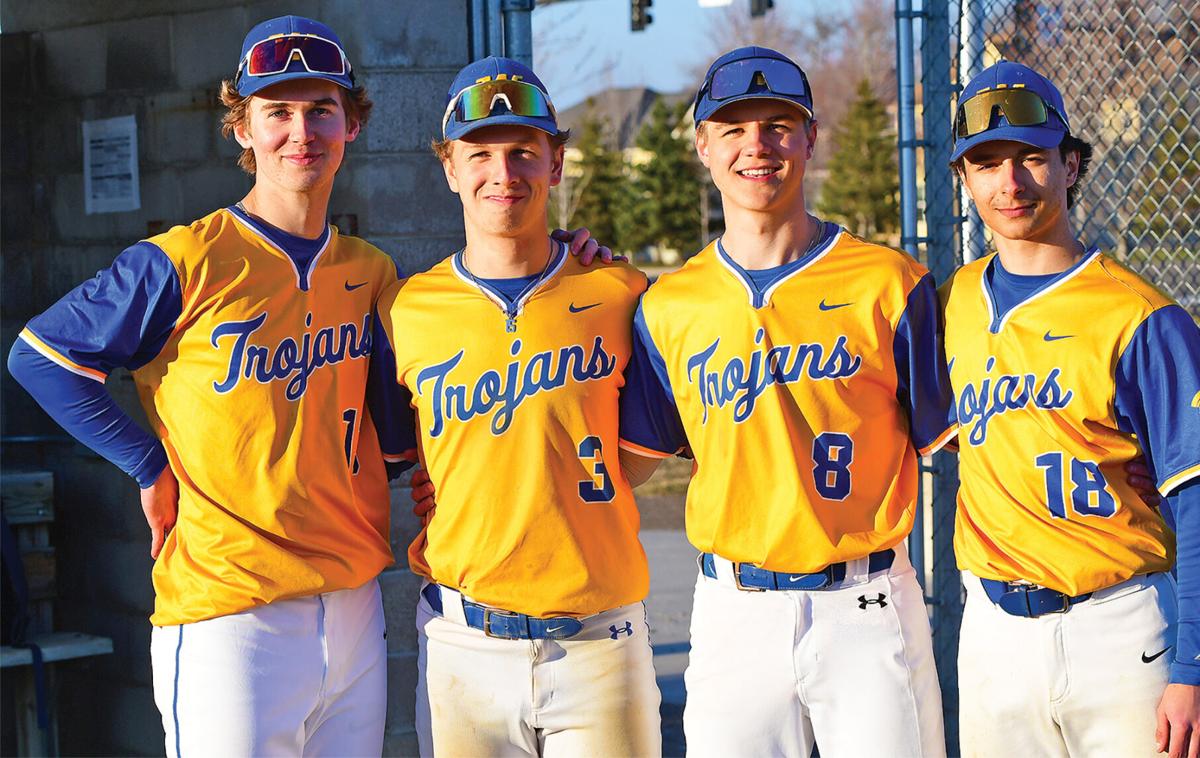
Create coordinated high school baseball jerseys, pants, warm-up apparel, and accessories with custom school colors, logos, mascots, player names, numbers, sizing, and decoration.
Built for school programs
Approve the fabric, fit, decoration, colors, player roster, pants style, warm-up items, labels, and packing from one organized uniform brief.
Choose team colors, logos, names, numbers, sleeve details, piping, buttons, labels, and packaging.
Select breathable polyester fabrics with durable seams and a lightweight print finish for training and game day.
Artwork proofs, size specifications, sampling, inspection, and export packing are managed from one approved brief.
Uniform examples
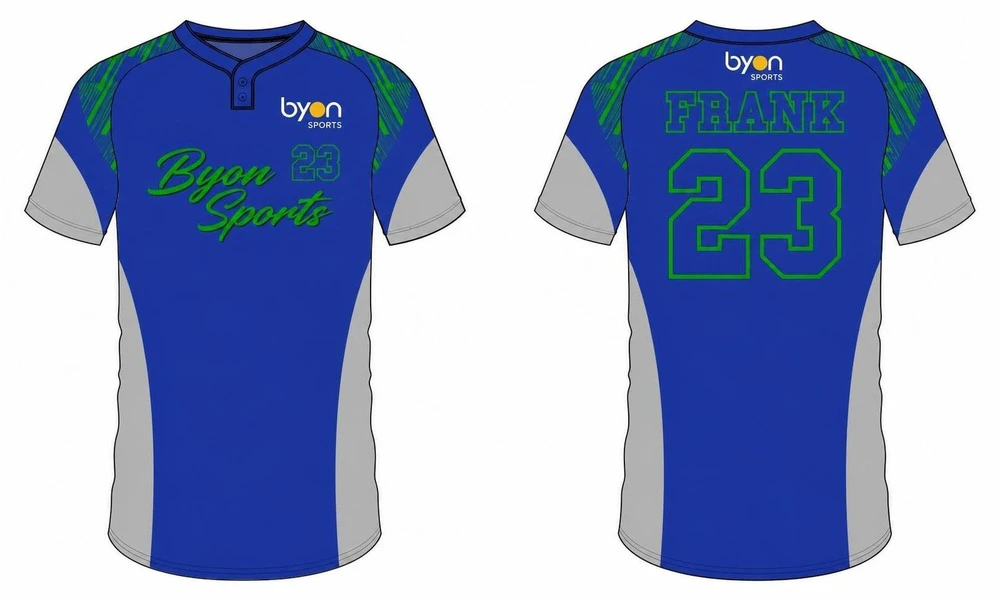
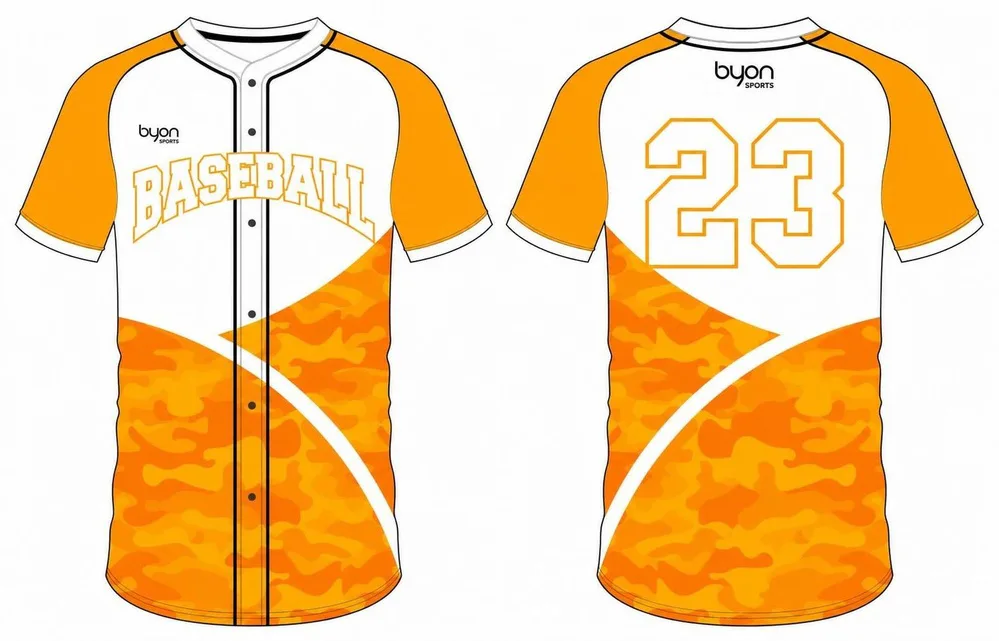
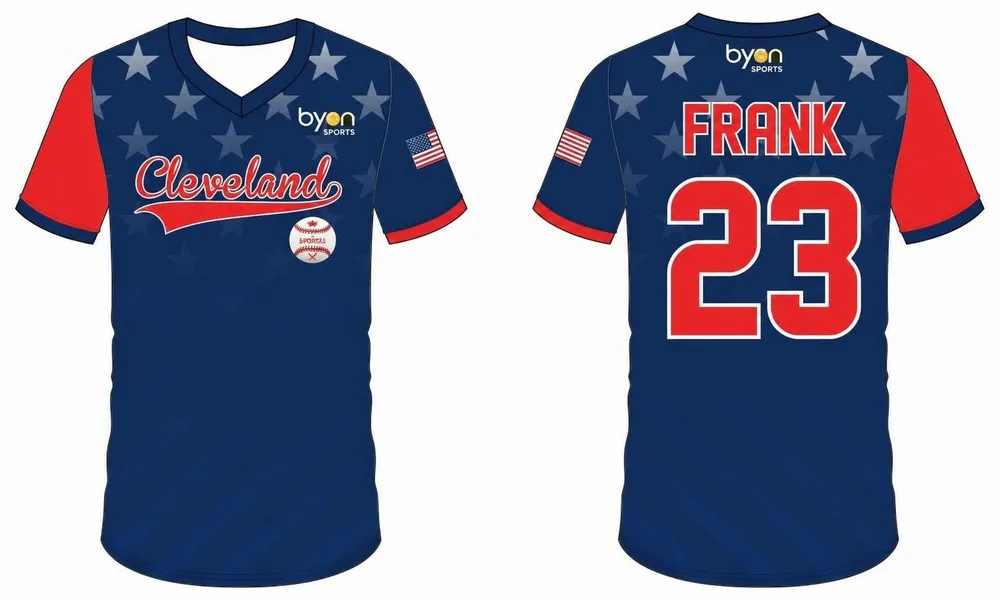
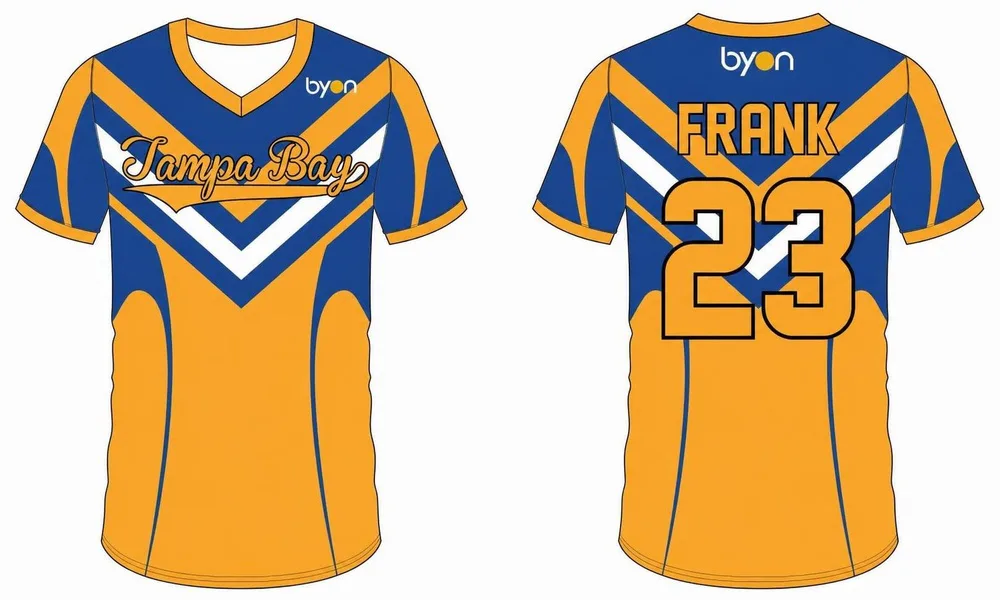
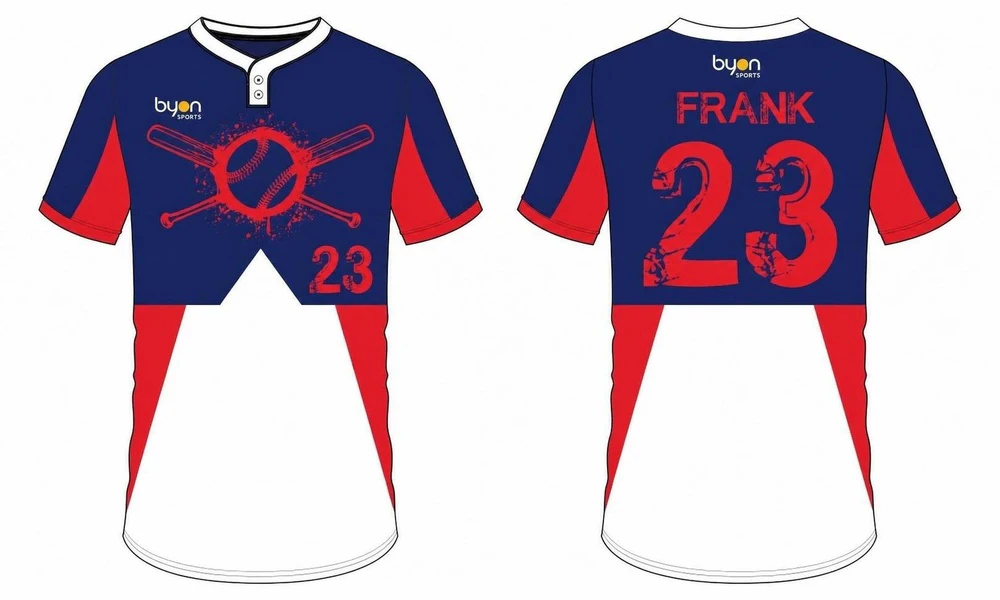
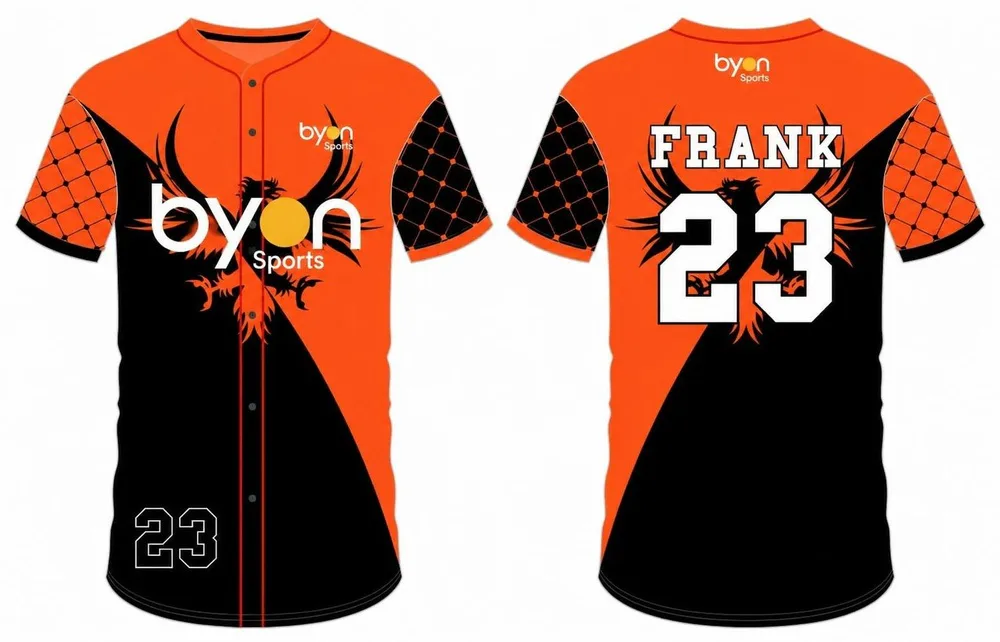
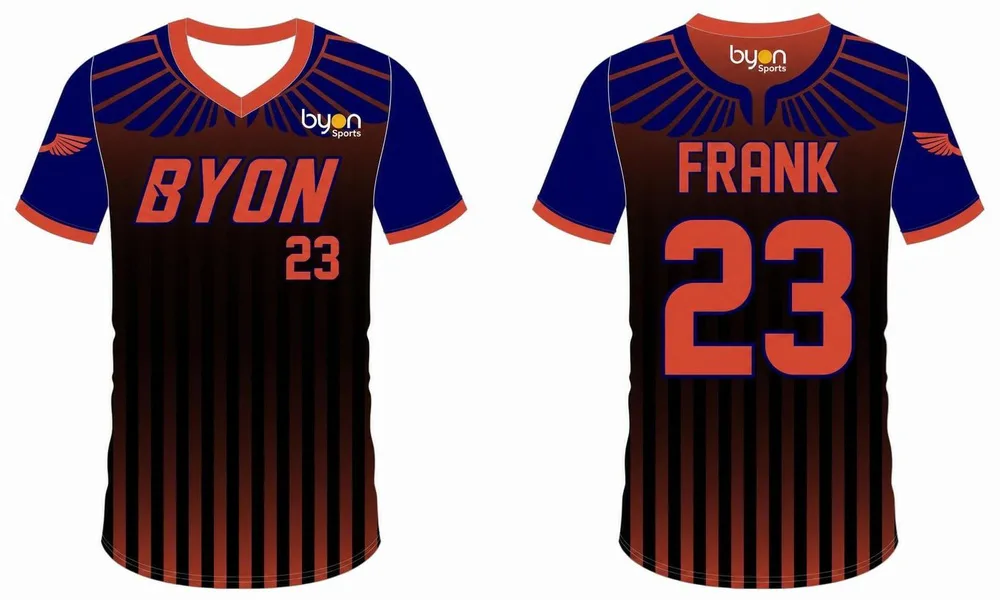
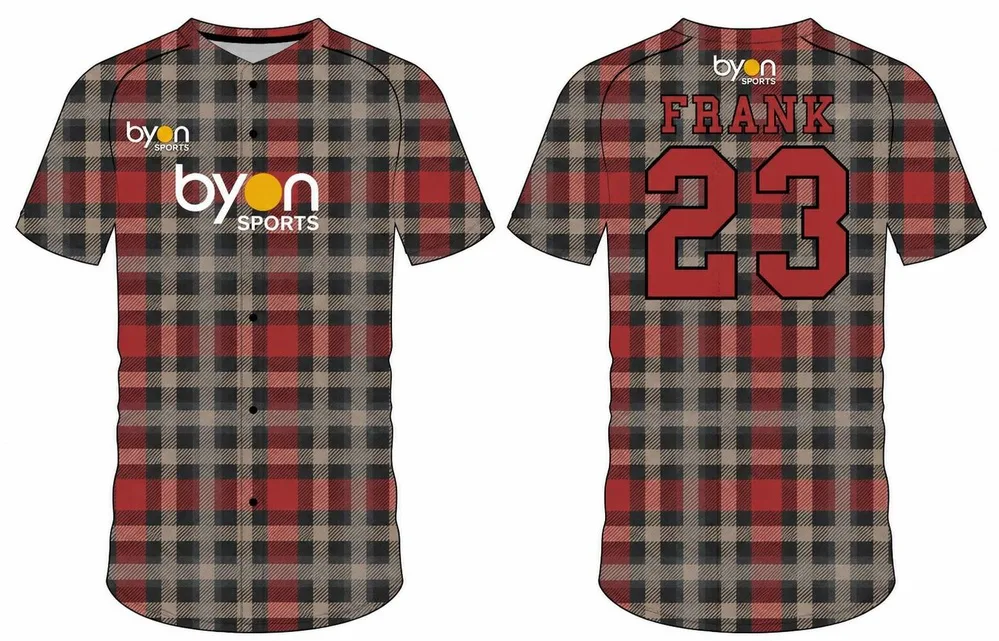
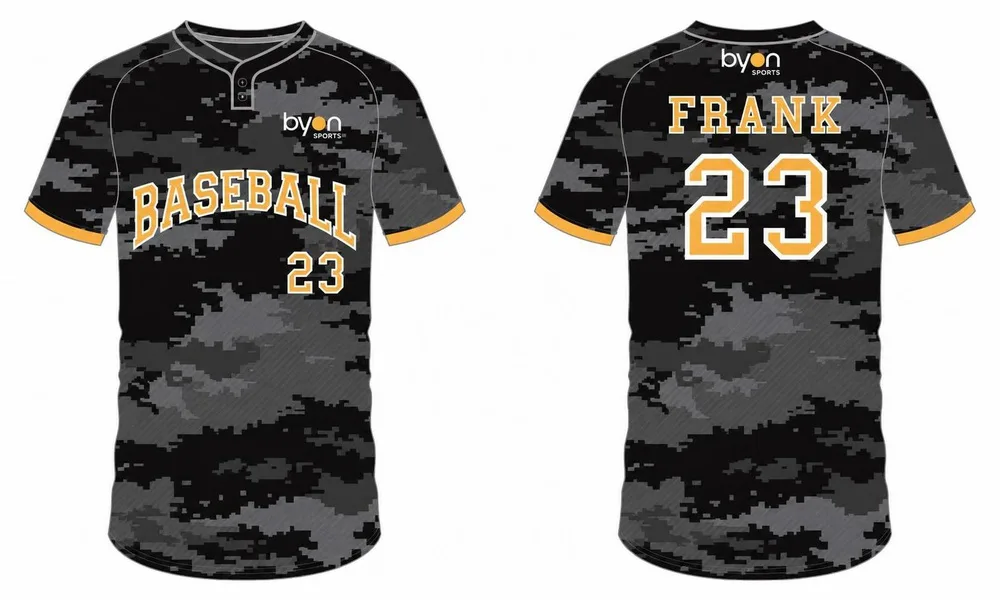
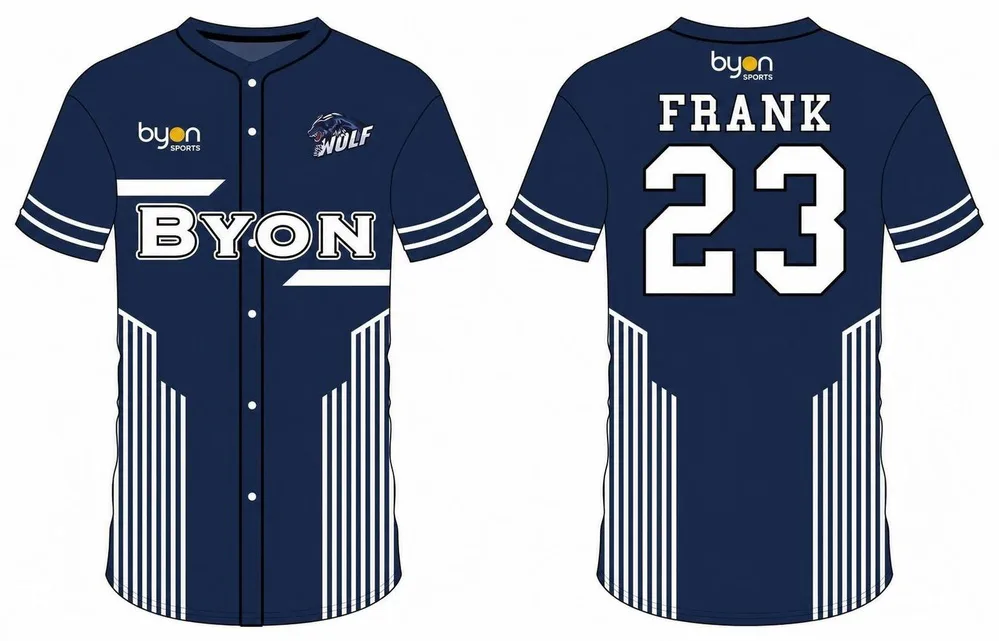
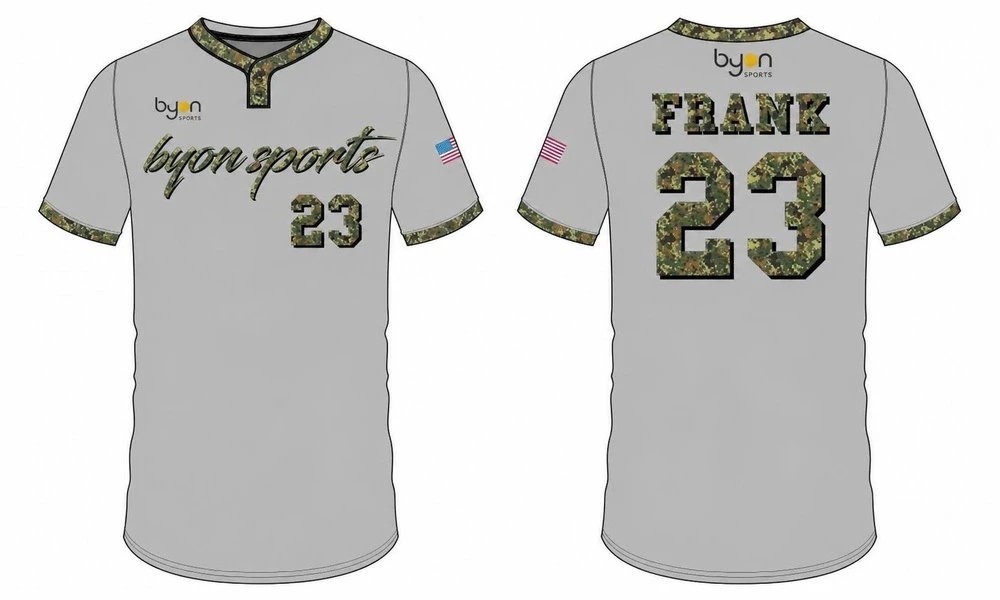
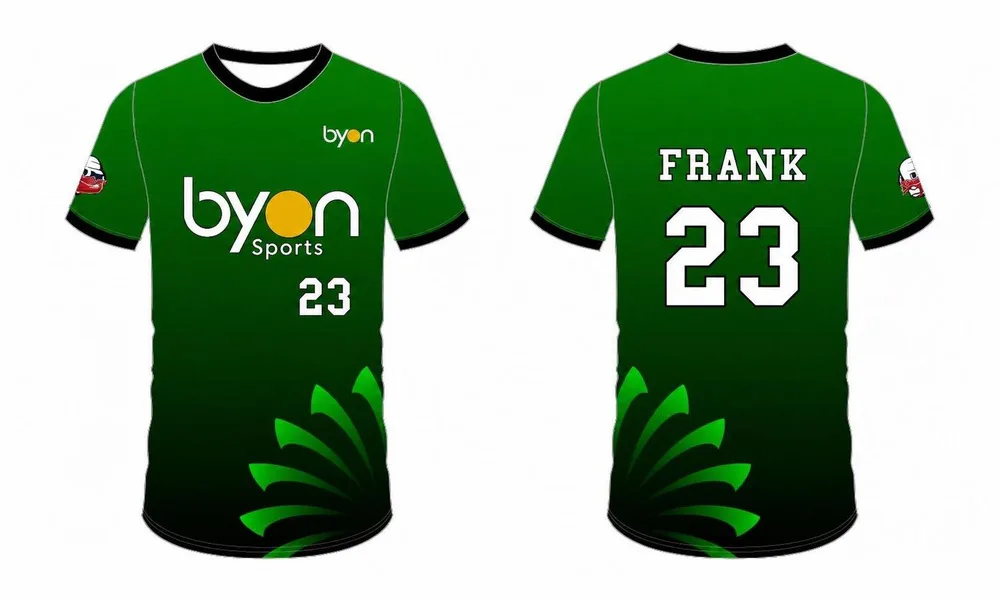
Choose a starting silhouette, then adapt the school colors, mascot, logos, player details, fabric, sizing, pants, trims, and decoration method.
Byon Textile production
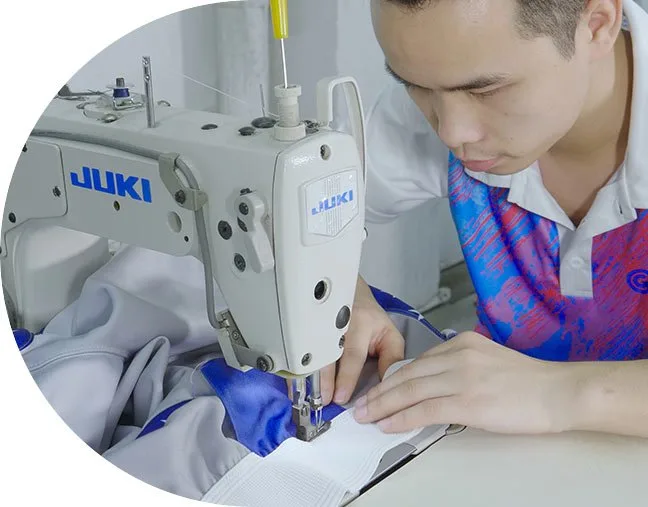
Byon Textile supports stock and custom uniform programs with fabric selection, youth sizing, artwork development, sublimation, tackle twill, embroidery, stitching, inspection, packing, and delivery planning.
Construction gallery
Buttons, fabric, seams, cuffs, front and back artwork, and pants fit are checked against the approved sample and size specification.
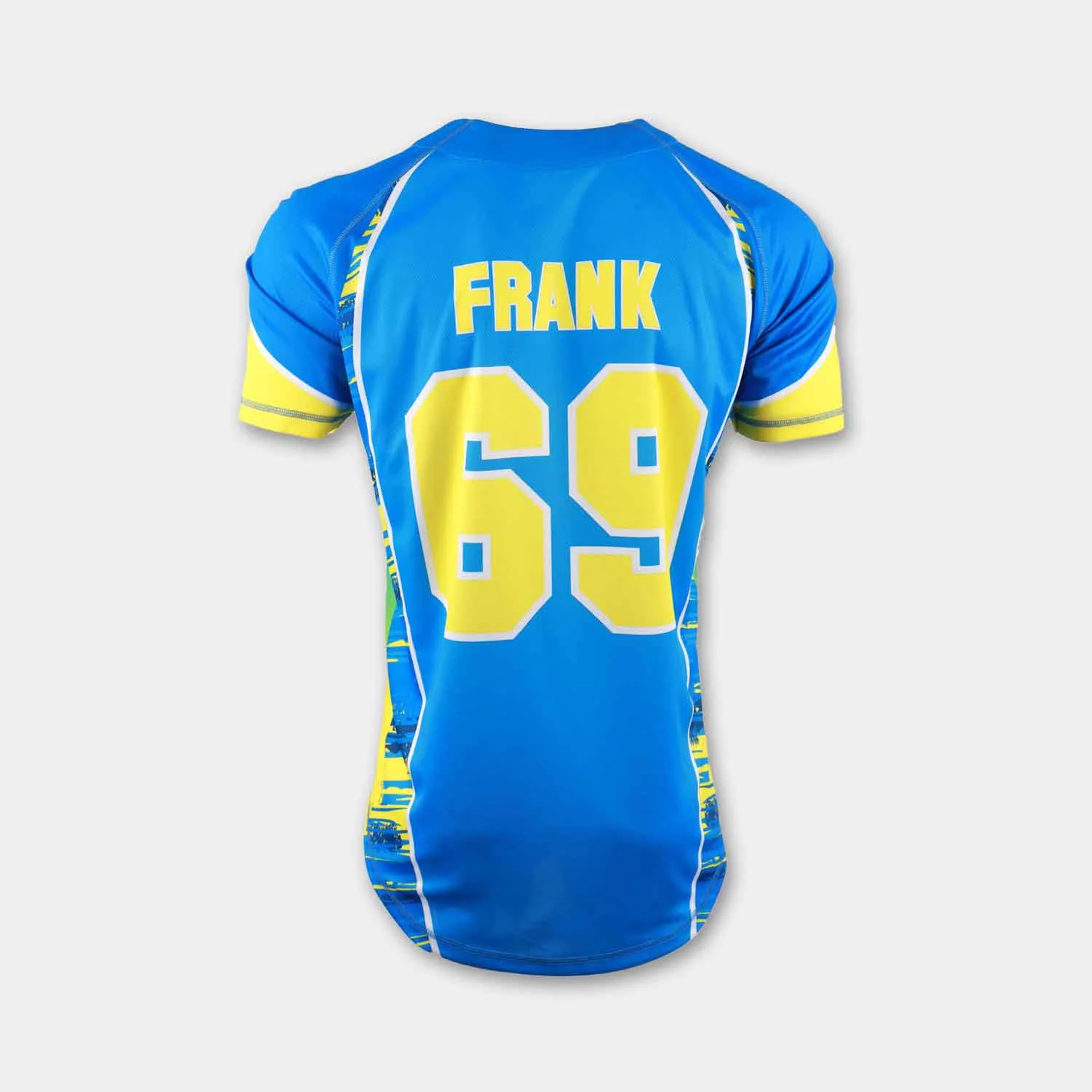
Player names and numbers aligned to the approved template.
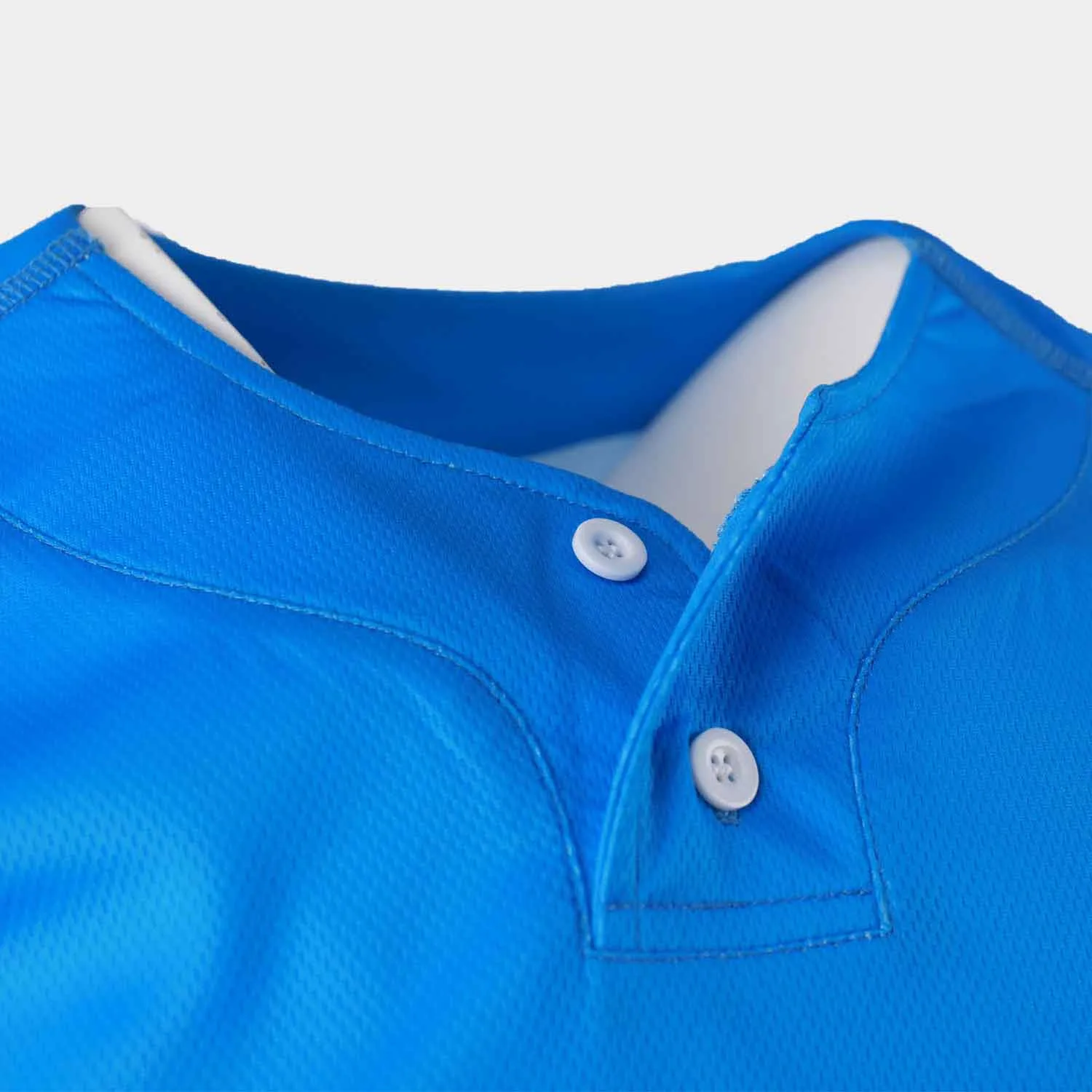
Button and placket construction selected for the uniform style.
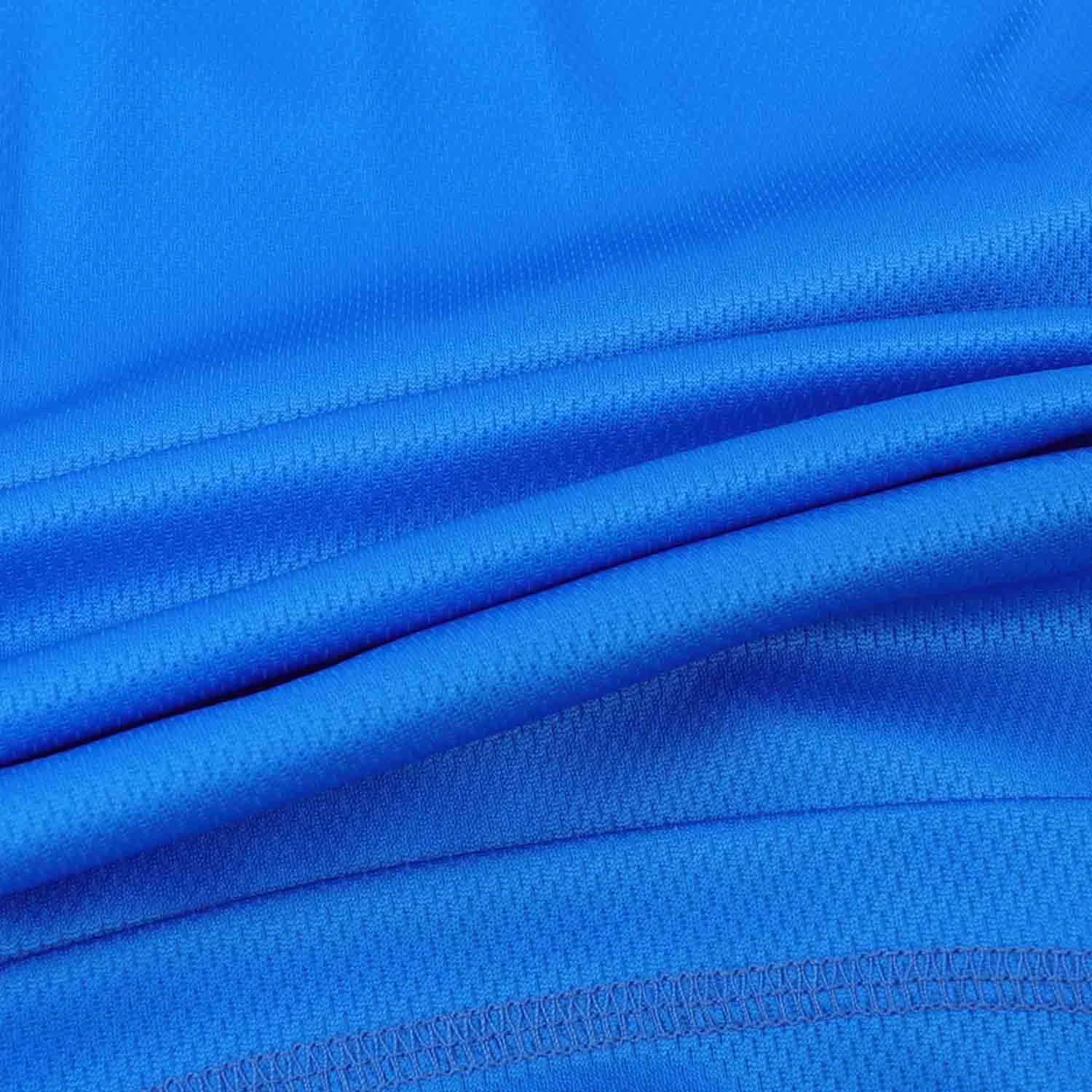
Breathable polyester options chosen for durability and comfort.
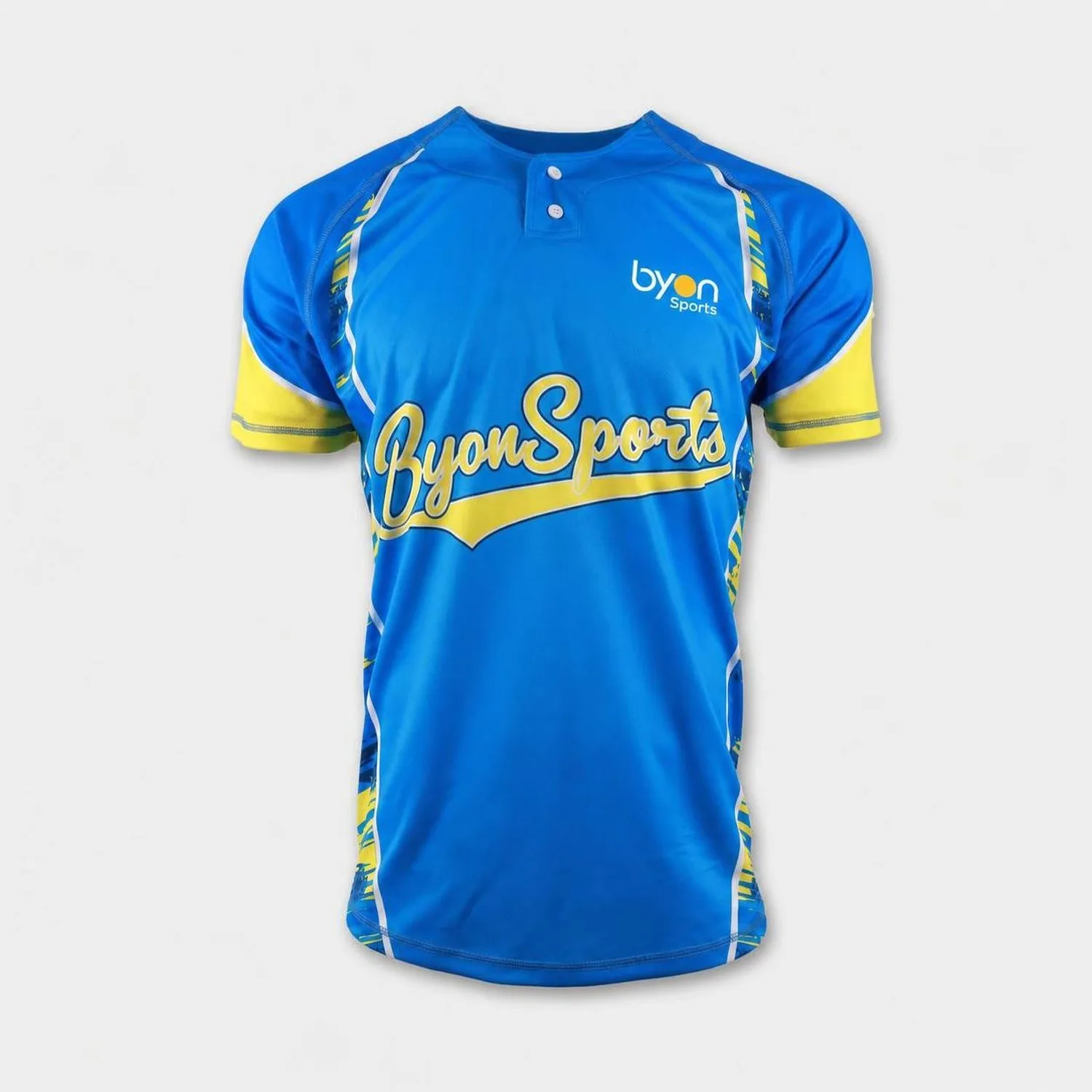
Team name, logo, piping, and color panels balanced across the front.
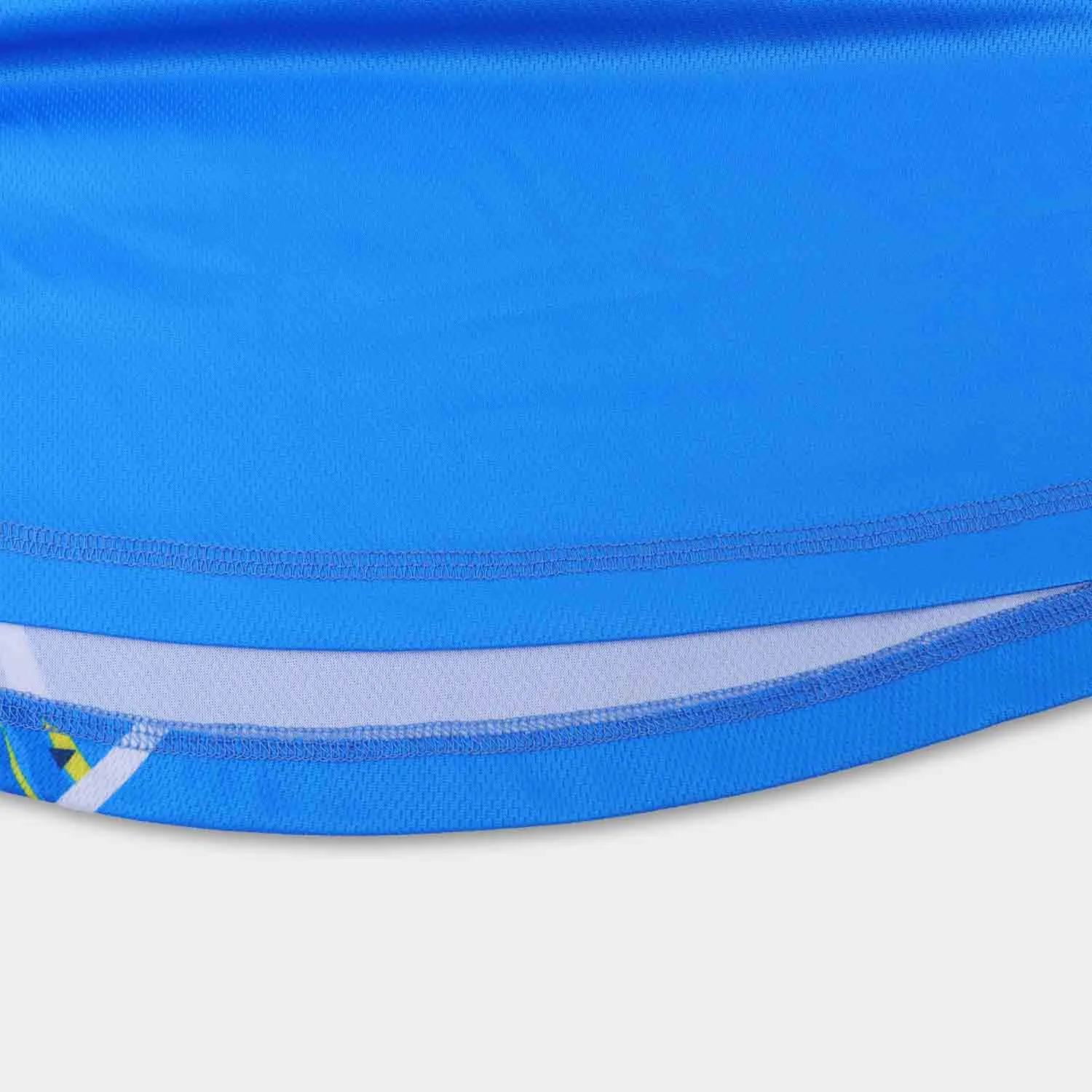
Pants patterns developed around movement, comfort, and size specs.
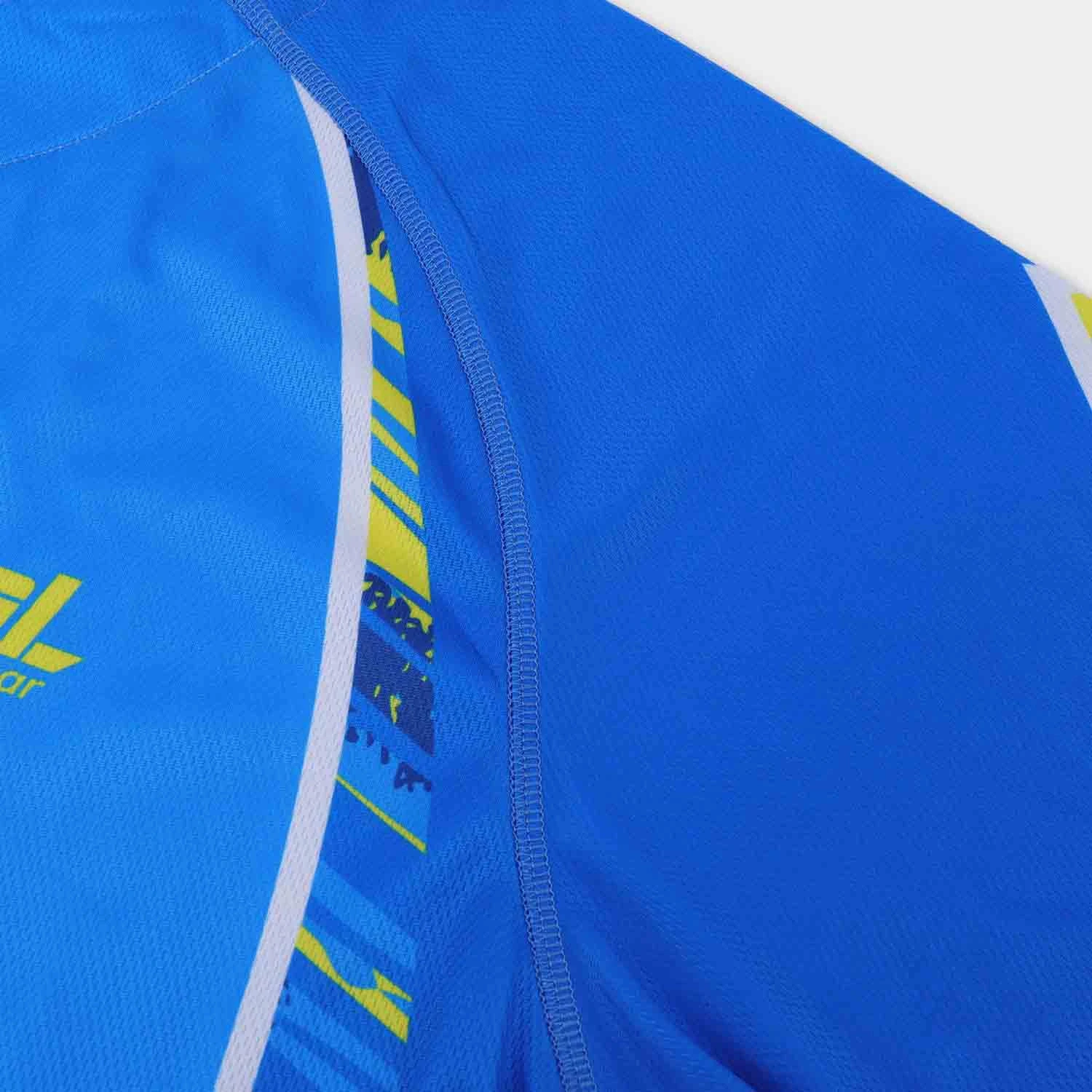
Panel alignment and side stitching checked before finishing.
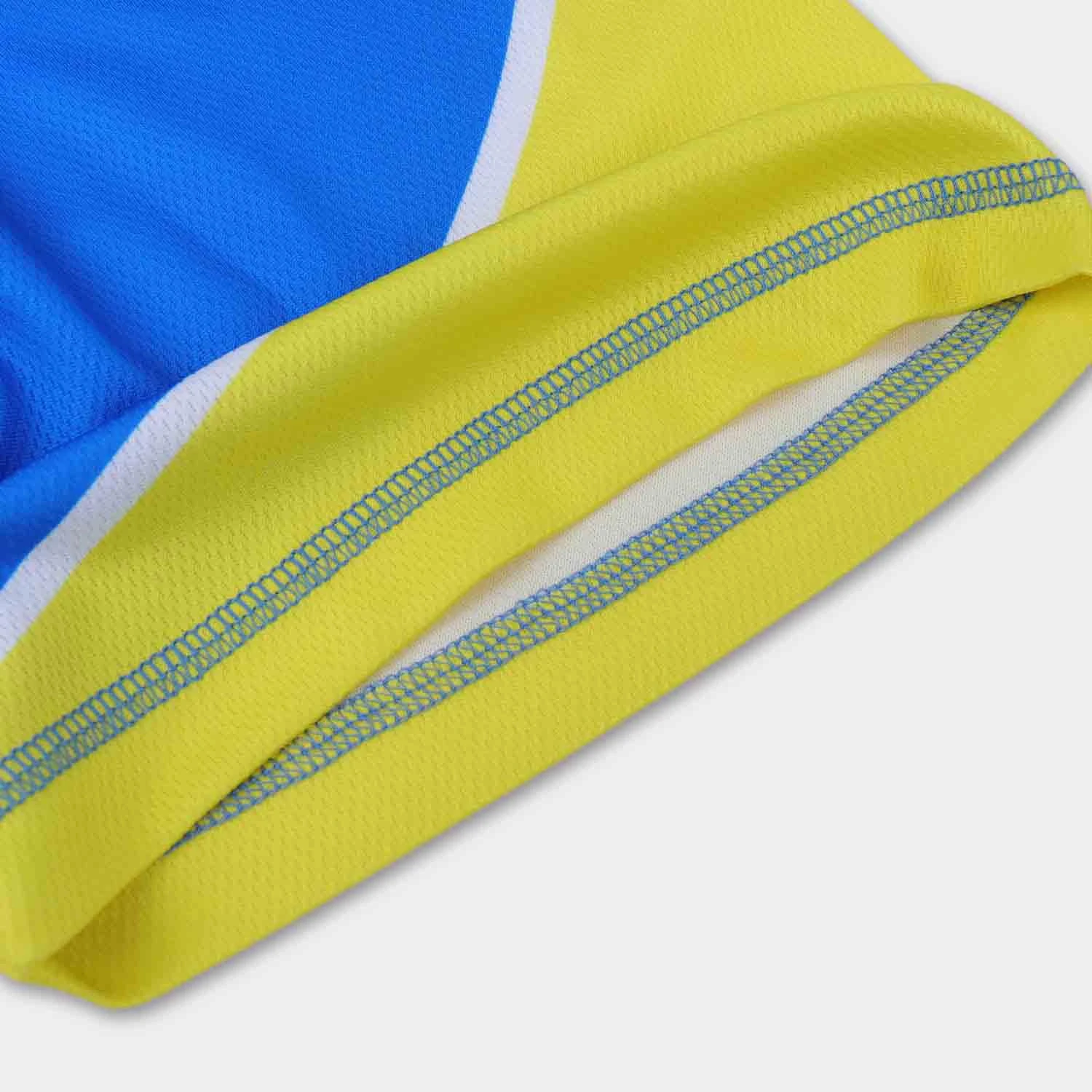
Clean cuff finishing for a consistent look across the team order.
Ordering process
Send the complete school and roster requirements, approve the artwork and materials, then follow manufacturing through final delivery.
Share the style, quantity, sizes, colors, logos, names, numbers, and delivery country.
Review the artwork placement, fabric, trims, measurements, labels, and packing.
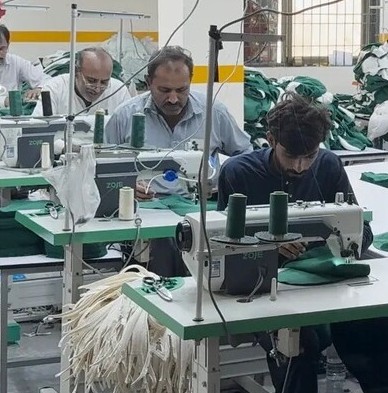
Fabric is printed, cut, stitched, finished, and inspected against the approved sample.
Completed jerseys are counted, packed, and prepared for delivery to your destination.
Ultimate FAQ guide
Review uniform components, fabrics, styles, pricing, sizing, tackle twill, sublimation, embroidery, customization, school rules, care, and ordering requirements.
High school baseball uniforms can comprise jerseys, pants, shorts, socks, jackets, and hoodies. Each item is available in different sizes, colors, trims, fabrics, fits, and print or decoration qualities.
A complete program can also include separate home, away, practice, and warm-up garments coordinated around the school identity.
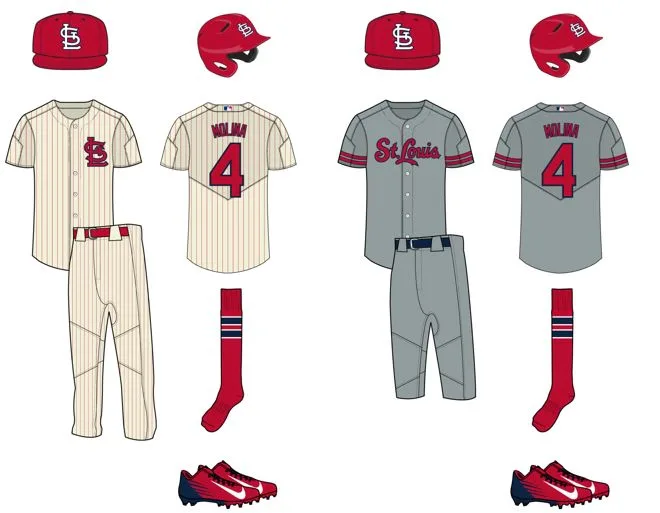
Uniforms define a team and symbolize unity and equality among players. Coordinated high school baseball uniforms can support motivation, team spirit, school identity, and player recognition.
Wearing the same approved uniform also helps students understand the responsibility of representing their team and school. A consistent appearance gives players a sense of belonging and lets them focus on team goals.
High school baseball uniforms use materials such as polyester, cotton, spandex, satin, poly-cotton, and nylon. The best choice depends on the garment, intended performance, decoration method, care, durability, and budget.
Cotton is soft, comfortable, and durable for selected garments. It is compatible with methods such as screen printing but is generally less suitable than polyester for full dye sublimation.
Polyester supports high-quality digital sublimation and can produce brilliant, durable artwork on lightweight, breathable uniforms.
Available polyester constructions include dazzle, pro mesh, air-cool, shiny, semi-cool, micro-mesh, heavyweight polyester, and dry-flex. Select the construction according to the required performance qualities.
Poly-cotton combines polyester and cotton to balance comfort, breathability, durability, care, and decoration compatibility.
Nylon can produce strong, easy-care, durable uniforms. Nylon-polyester blends can provide flexibility, moisture management, and durability when matched with a suitable decoration method.
Spandex is commonly used for flexible side inserts or blended with cotton, nylon, or polyester in jerseys, pants, and socks to support unrestricted movement.
High school baseball uniforms are available in many style and design variations.
Jerseys can use quarter, long, three-quarter, short, or sleeveless constructions with round-neck or V-neck collars. Closures can be zippered, button-down, two-button, or pullover.
Baseball pants can be open-bottom, closed-bottom, belted, or unbelted. Length and fit options include traditional, Clemson cut, and baggy cuts.
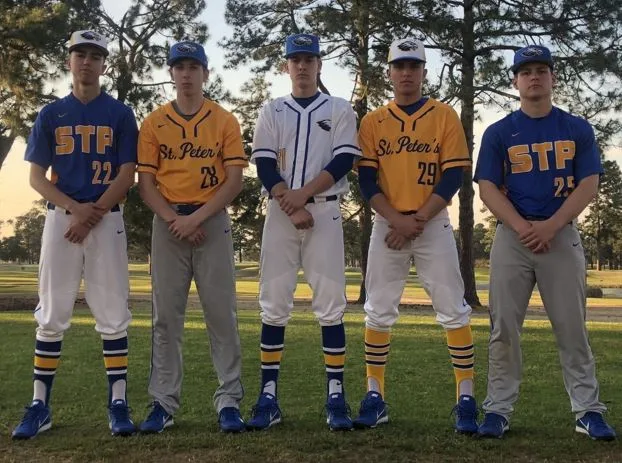
Compare suppliers using the complete fabric, construction, decoration, sizing, service, packing, and delivery specification rather than price alone.
Direct importing from an established manufacturing market such as Pakistan can provide competitive custom pricing. Larger and repeat orders can reduce the unit price through production efficiency and economies of scale.
Combining game uniforms, practice sets, warm-up gear, and other sports apparel into one planned order can improve pricing and reduce repeated sourcing and shipping work.
Quality should be assessed across the fabric, stitching, breathability, moisture management, design, fit, decoration, roster accuracy, and expected lifespan.
Suitable options include 100% polyester, nylon, cotton, and polyester blends. The selected fabric should be light, soft, flexible, durable, and appropriate for the game and decoration method.
Stitches should secure every panel and trim consistently so seams do not loosen or tear after a few games or practice sessions.
Uniform fabrics should support airflow and help keep players cool and dry. Moisture management can also reduce prolonged dampness, odor, and premature material wear.
Game and practice uniforms should use a design, material, and decoration method that remain serviceable through repeated use and proper care.
Stock high school baseball uniforms generally range from approximately USD 20 to USD 70 per player in this pricing reference. Custom baseball uniforms can begin around USD 100 per player.
Design, material, brand, decoration, player personalization, quantity, packaging, and shipping affect the final price. Very low prices should be checked carefully against the actual quality and service specification.
Bulk orders and coordinated purchases from an experienced supplier can reduce the unit price without automatically reducing the required quality.
High school baseball uniforms commonly use youth sizes small, medium, large, and XL. Use the supplier's approved chart because actual garment measurements vary by pattern and brand.
Buyers can specify the desired fit allowance. As reference examples, a boys' large jersey may use a four-inch chest allowance, while a boys' XL with a 36-inch chest can use a six-inch allowance, depending on how roomy the jersey should be.
Custom sizes such as 2XL and 4XL, longer inseams, longer sleeves, and adjusted pant lengths can also be requested. Include every player measurement and allowance in the order form.
Tackle twill is a durable decoration method used for custom sportswear. Letters, numbers, or other patterns are laser cut from twill fabric and sewn onto the garment.
The applique supports varied patterns and customization options and creates an affordable, durable design with a dimensional three-dimensional appearance.
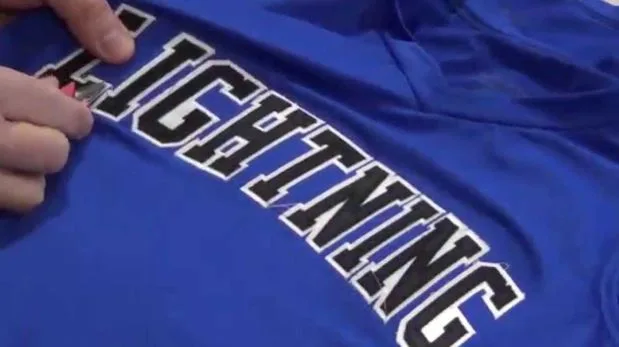
For multicolor designs, each twill layer is cut and positioned separately. A tacking material can hold the upper layers while the base layer is sewn onto the garment.
Sewing down the twill layers produces a bold, durable, dimensional appearance. Proper construction avoids relying only on heat and humidity-sensitive adhesive bonds that can bubble or separate.
Dye sublimation uses controlled heat, pressure, and time to reproduce artwork on compatible polyester.
The mirrored image is printed onto special transfer paper using compatible ink. The transfer paper and uncut fabric are aligned in a heat press, where heat and pressure convert the dye so it enters the polyester fibers and forms permanent artwork.
After printing, the fabric is cut according to the approved pattern and sewn into jerseys, pants, or other uniform pieces.
Sublimated tackle twill places a multicolor sublimated design on one layer of twill, which is then attached to the garment. It can replace multiple stacked twill layers that would otherwise feel heavy.
Full dye sublimation prints the artwork directly across compatible polyester garment panels before cutting and sewing. The result remains lightweight and breathable without an added applique layer.
Sublimated twill can be a lower-cost alternative when the budget does not support full garment sublimation while still providing vibrant custom color and dimensional decoration.
A complete sublimated package can include each player's name and number together with the school name, team logo, mascot, and approved sponsor artwork.
Correctly processed sublimation produces lettering, numbers, logos, and patterns that resist cracking and fading. The smooth material remains comfortable and can provide a long service life with proper care.
The number of printed colors and logos does not require separate screens, so detailed multicolor artwork and player-specific variations can be incorporated without color-by-color screen charges.
A coordinated high-quality uniform can support team identity, confidence, spirit, and morale.
Yes. Custom embroidery can create a clean, secure, professional appearance on high school baseball uniforms.
Artwork can be prepared for manual or computerized embroidery and sewn onto the fabric using an embroidery machine. Charges commonly account for artwork setup, digitizing, logo complexity, stitch count, thread, backing, and quantity.
Embroidery can therefore cost more than some printed decoration methods, especially for large or highly detailed designs.
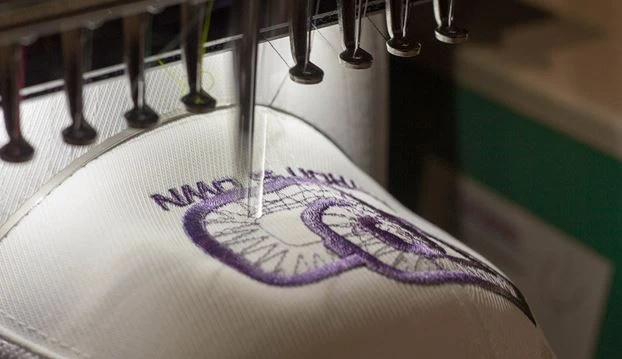
Either method can produce high-quality high school baseball uniforms when it matches the fabric, artwork, use, and budget.
Sewn-on lettering and numbers provide a traditional dimensional appearance often associated with professional uniforms. Printed decoration provides more freedom for complicated multicolor designs and leaves the finished garment lighter and more breathable.
Jerseys and pants should allow unrestricted baseball movement without leaving excessive loose fabric that can interfere with play. The uniform should be light, flexible, breathable, comfortable, durable, and correctly fitted.
Digital artwork, paper proofs, and finished fabric can reproduce colors differently. Use approved color references and, where appropriate, the Pantone Matching System to target a close, repeatable color match.
Style and quality are separate decisions. A uniform can be visually distinctive while still using high-quality materials, construction, decoration, and inspection.
Patterns can differ in shoulder, chest, waist, hip, rise, and overall size proportions. Boys' patterns are often graded with broader shoulders, while girls' patterns may provide additional room through the bust and hips with more shaping at the waist.
Older merchandising conventions often offered neutral gray, black, blue, or green for boys and brighter pink, orange, white, baby blue, or neon colors for girls. Modern teams can select any approved school palette regardless of the player's gender or pattern.
The choice between stock and custom uniforms often depends on the athletic department's budget, timeline, roster, and design requirements.
Stock uniforms are generally less expensive, readily available, and offered in standard factory sizes and colors. They can still use durable fabrics, reliable stitching, moisture management, and flexible performance construction.
Custom uniforms provide more control over decorations, fabrics, fit, colors, player details, labels, and school identity. The best option is the one that meets the team's requirements within the available budget and schedule.
Pro high school baseball uniforms are designed toward semi-professional performance and appearance standards.
They commonly use more specialized performance fabrics, detailed construction, and carefully controlled printing or decoration for style, durability, and quality.
Uniform rules vary by state, school, league, and governing organization. Verify the current rulebook before approving artwork, trims, undergarments, numbers, sleeves, and accessories.
The attached guide lists the following requirements:
Coordinated sleeves, batting gloves, hats, and belts can complete a high school baseball uniform. Programs may also require baseball bags, socks, undershirts, protective equipment, and jackets for cold weather.
Confirm each accessory against the current team and league requirements before ordering.
Correct care helps uniforms retain their appearance, color, fit, print, and fabric strength for longer.
Provide the team name, school identity, players' names and numbers, quantities, youth sizes, fit allowances, longer inseams, sleeve lengths, pants lengths, colors, logos, mascots, fabric, decoration method, labels, packing, destination, and required delivery date.
A complete roster and approved artwork reduce avoidable errors during proofing and production.
Byon Textile manufactures custom sportswear in Pakistan and supports both stock-based and fully custom high school baseball uniform programs.
Available decoration includes dye sublimation, tackle twill, embroidery, applique, and suitable print methods. Buyers can submit finished artwork or work with the design team to prepare production files.
Competitive pricing, customization options, quality materials, organized stitching and printing, inspection, packing, and delivery planning support teams, schools, retailers, and repeat programs.
Send the complete high school baseball uniform requirements for fabric guidance, artwork review, sampling options, and a current quotation.
Ordering FAQ
Quick answers about stock and custom sets, decoration, player personalization, sizing, and samples.
Yes. Build a coordinated program using the school colors, logo, mascot, roster, fabrics, pants, and decoration approved for each set.
Yes, where the fabric and design support the combination. Confirm the desired dimensional effect, garment weight, artwork complexity, quantity, and budget during development.
Yes. Individual names and numbers can be built into each jersey artwork file without adding a raised print layer.
Yes. The same approved artwork can be adapted to adult, youth, and kids patterns while maintaining the intended placement and proportions.
Send the quantity, size range, delivery country, preferred fabric or jersey style, and any logos, artwork, roster files, or reference images.
Yes. Sampling can be included so the fit, artwork, fabric, buttons, stitching, labels, and packing can be reviewed before the main order.
Send your inquiry
Include the required sets, quantity, youth sizes, roster, school colors, logos, mascot, fabric, decoration, pants style, destination, and target date.