Complete customization
Choose team colors, logos, names, numbers, sleeve details, piping, buttons, labels, and packaging.
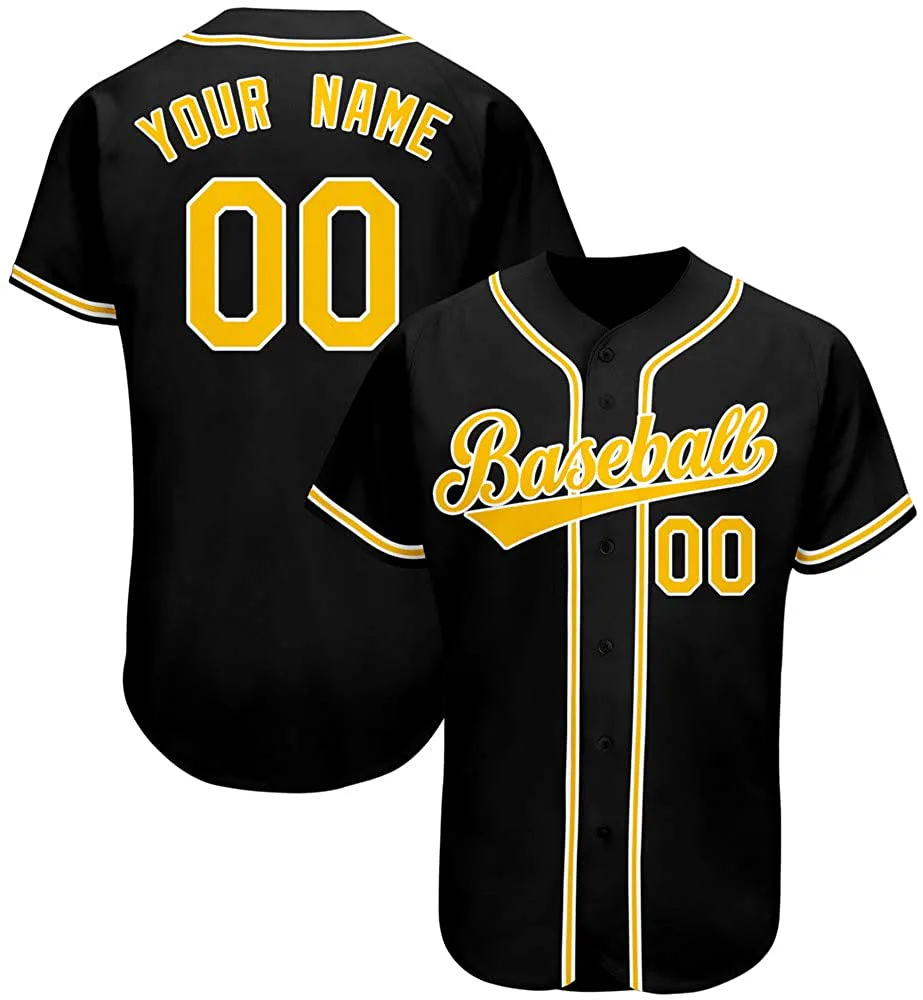
Create a classic full-button baseball jersey with custom team colors, logos, player names, numbers, piping, fabric, and private-label finishing.
Made for team orders
Start with the traditional button-up shape, then adapt the artwork, materials, fit, and finishing to your roster.
Choose team colors, logos, names, numbers, sleeve details, piping, buttons, labels, and packaging.
Select breathable polyester fabrics with durable seams and a lightweight print finish for training and game day.
Artwork proofs, size specifications, sampling, inspection, and export packing are managed from one approved brief.
The button-up jerseys had a polished look as soon as we unpacked them. Button quality, name placement, and color matching all followed the design we signed off on.
Jersey examples
Choose a useful starting point from our previous orders, then send the reference with your team colors, roster, quantities, and size range.
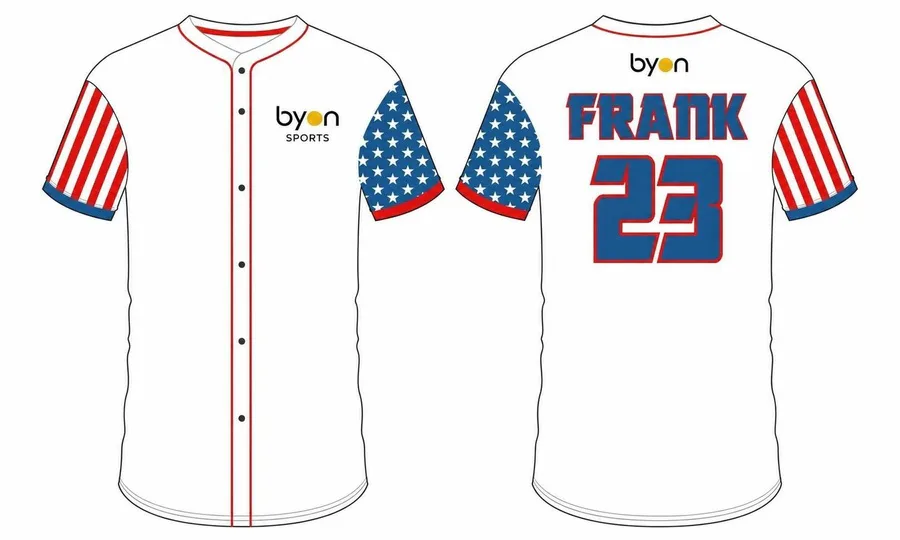
A full-color sublimated jersey with custom team branding and player details.
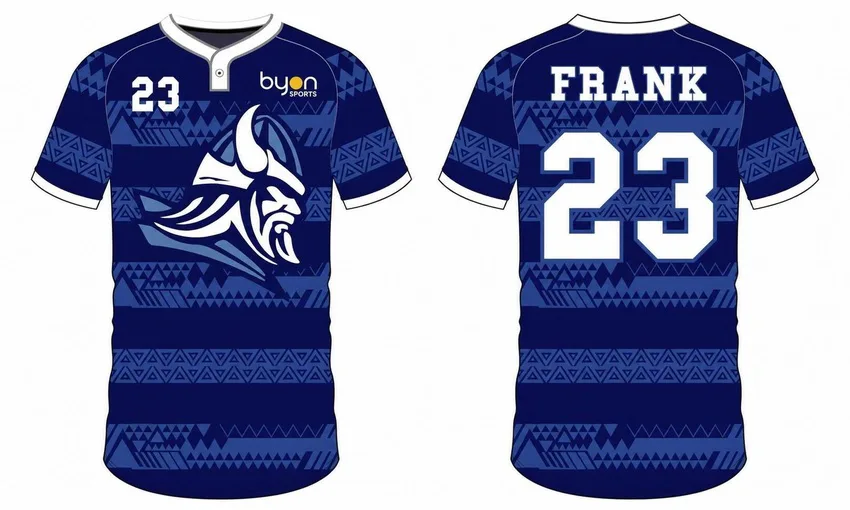
Youth-scaled sizing with personalized artwork, names, and numbers.
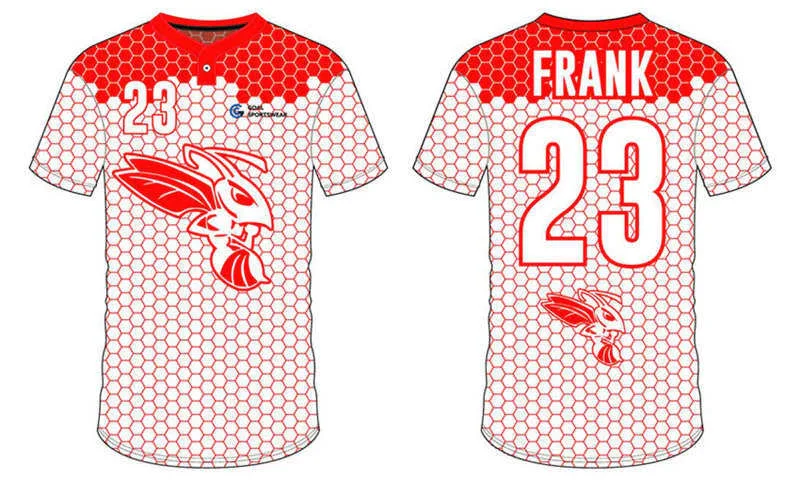
A reversible team style made with breathable performance fabric.
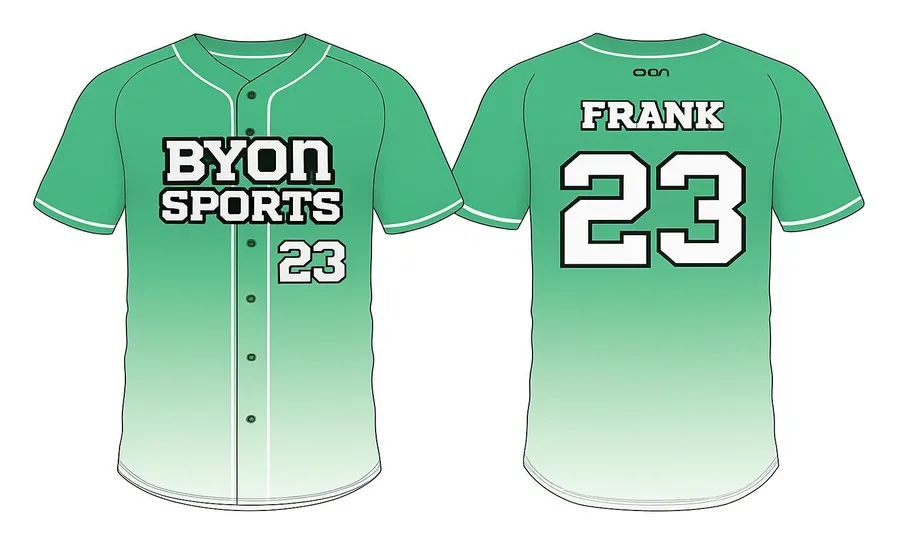
A lightweight short-sleeve format for games, training, and travel.
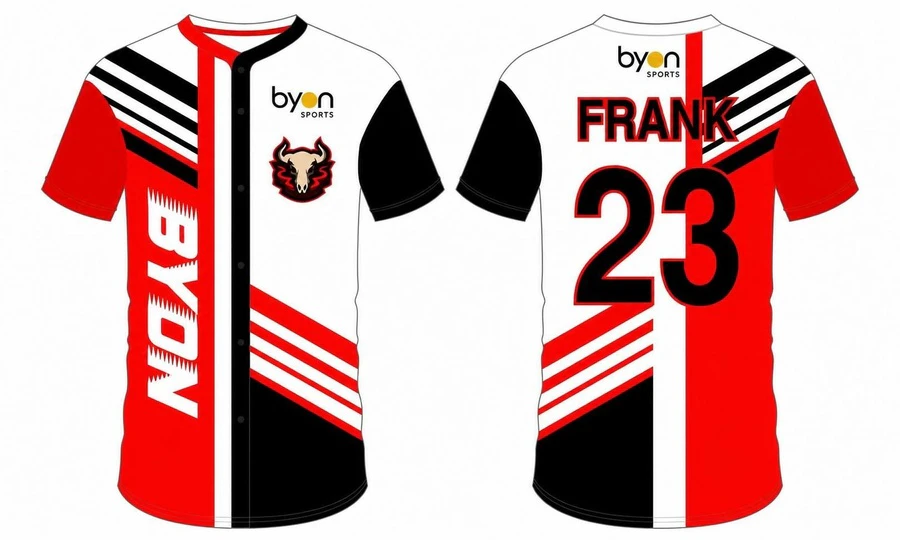
A professional-style silhouette with custom graphics and finishing.
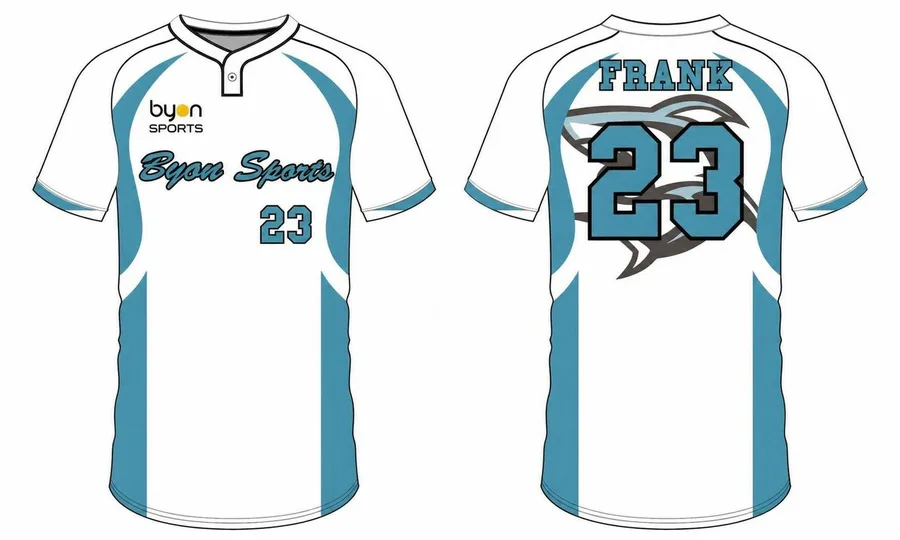
A repeat-order team jersey with permanent full-color sublimated artwork.
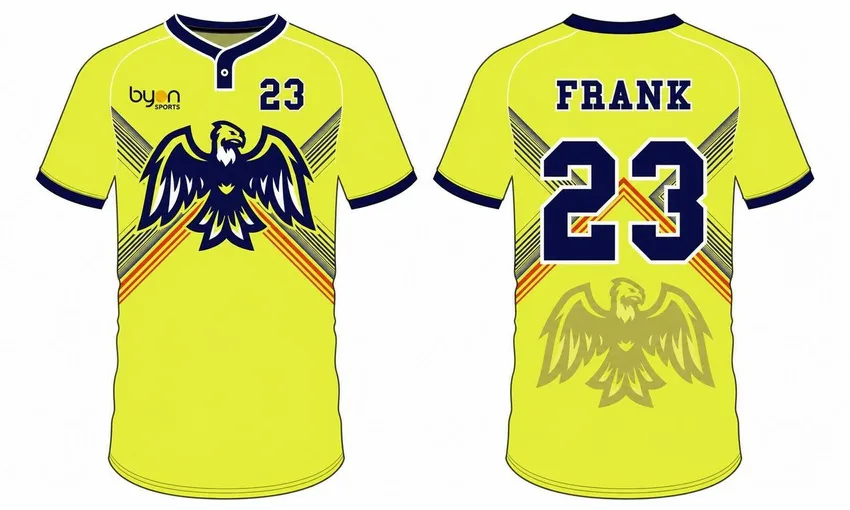
Team colors, logos, names, and numbers arranged in a custom layout.
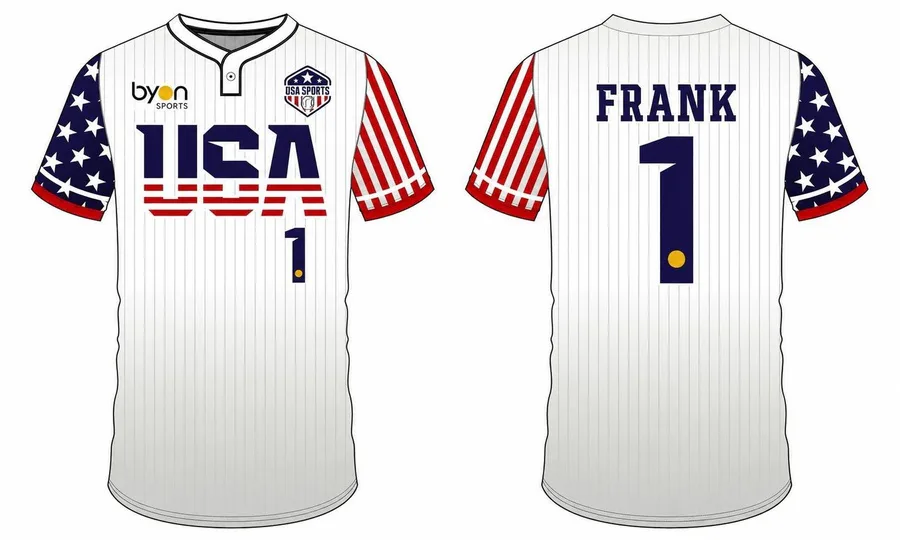
A youth team jersey with durable print and flexible roster personalization.
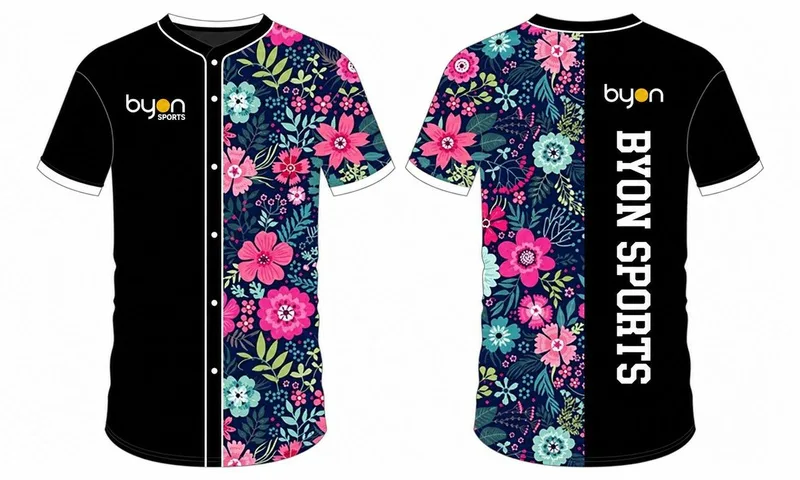
Full-coverage sublimation for detailed graphics and permanent team colors.
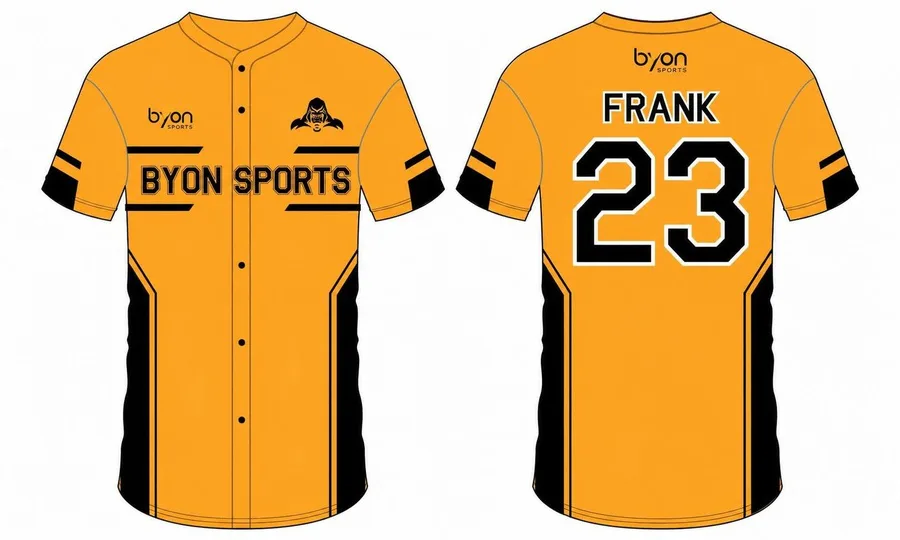
A production-ready full-dye option for clubs, brands, and wholesale programs.
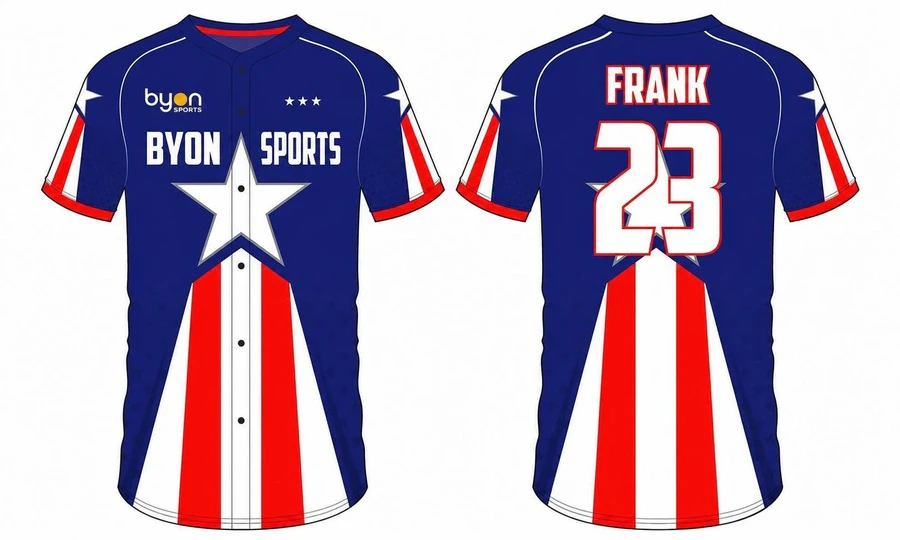
Lightweight polyester construction designed for airflow and active use.
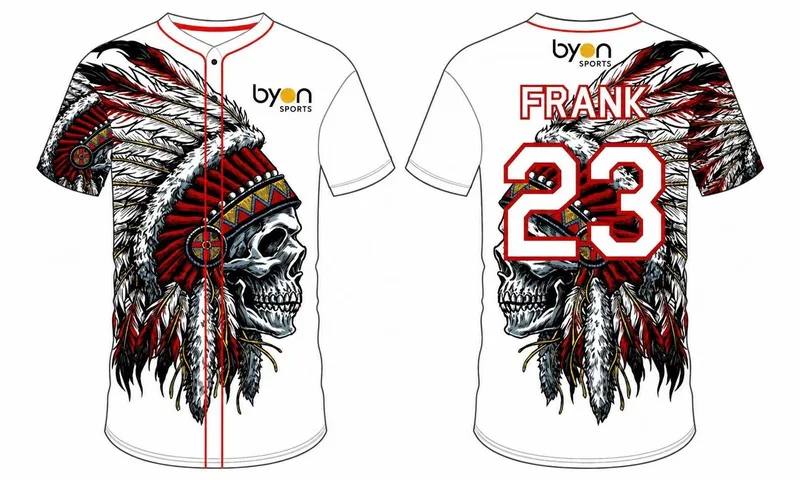
A durable polyester team style with custom fit, graphics, and trims.
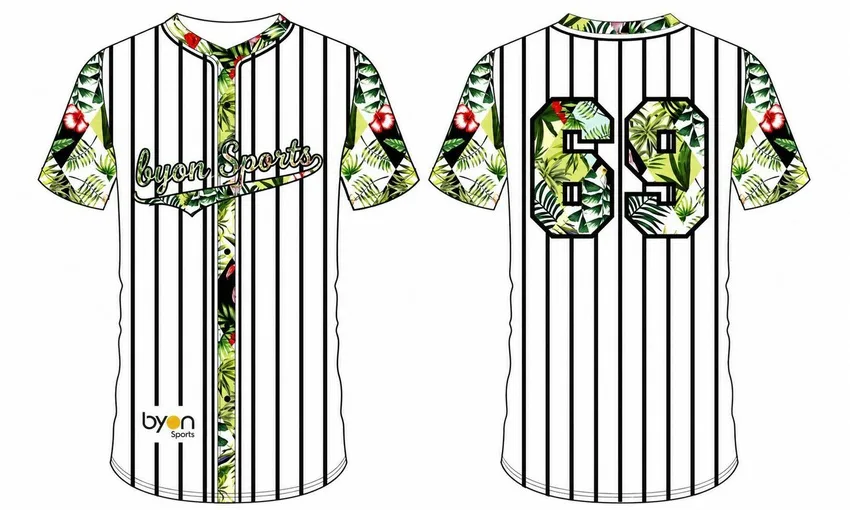
A reversible school-team format with coordinated colors and personalization.
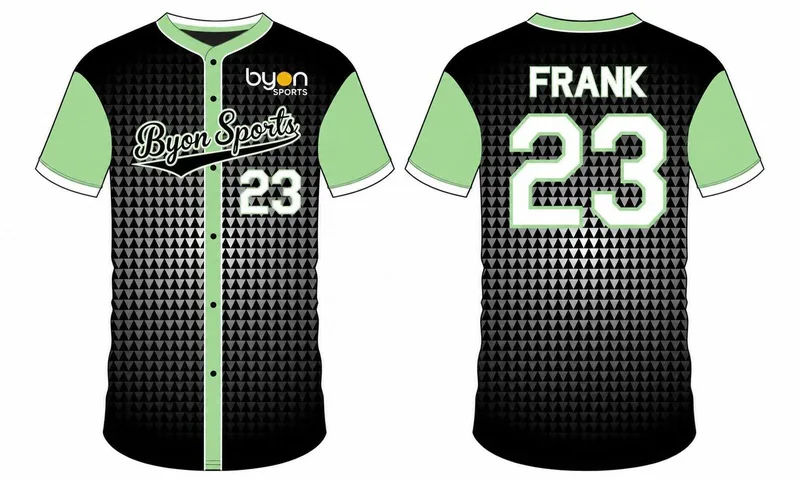
A polished team jersey with professional artwork placement and finishing.
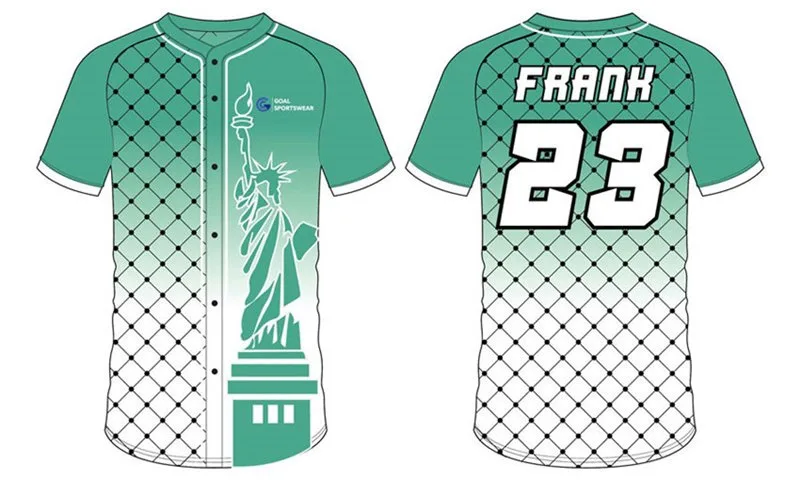
A lightweight V-neck alternative with youth sizing and custom graphics.
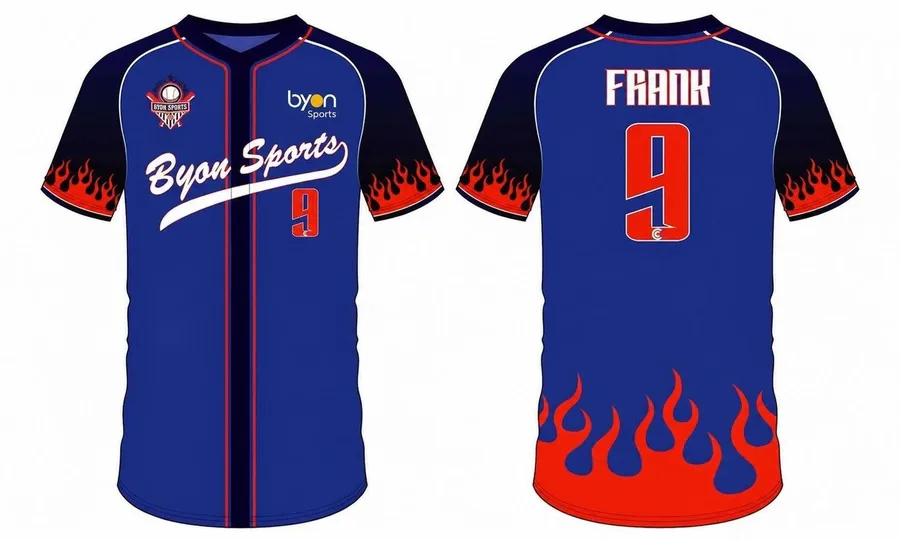
Moisture-managing polyester for warm conditions and repeated team use.
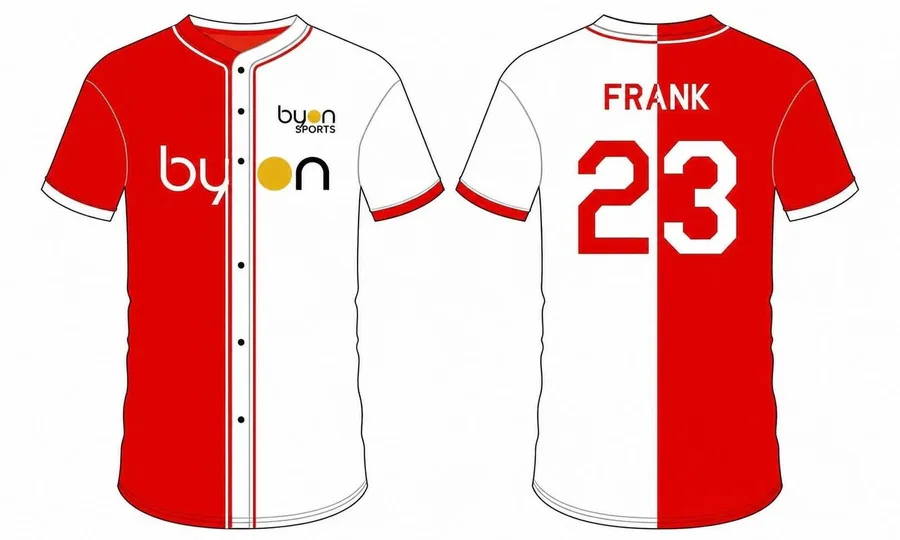
A custom-made polyester jersey suited to repeat wholesale team orders.
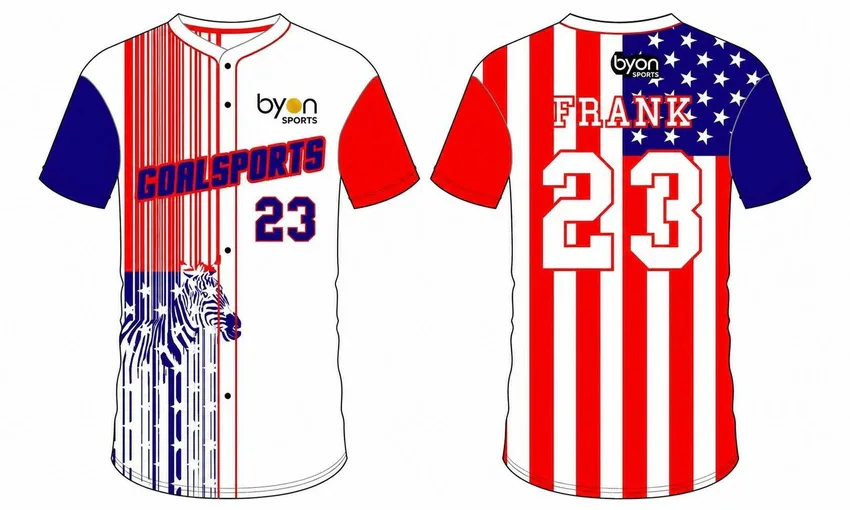
A fully printed polyester style with custom branding and player details.
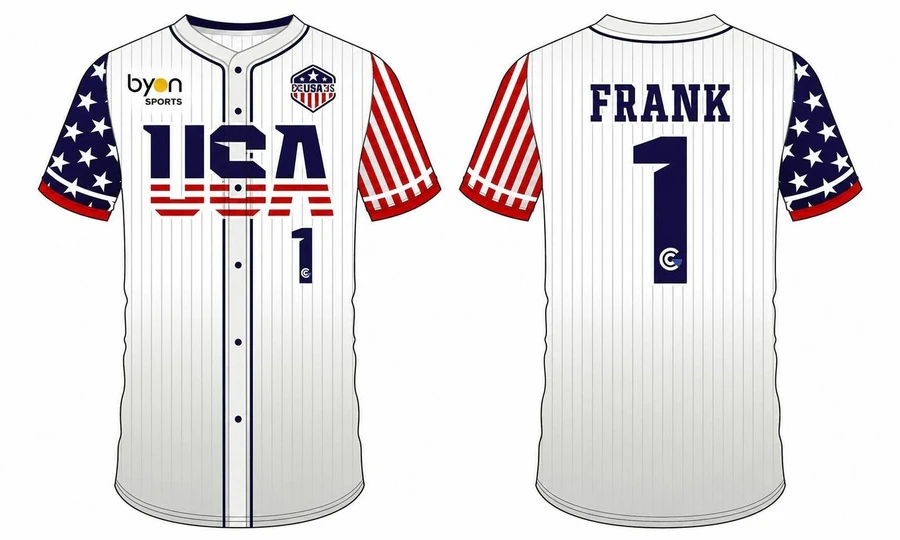
A high-quality sublimation option for bulk custom teamwear programs.
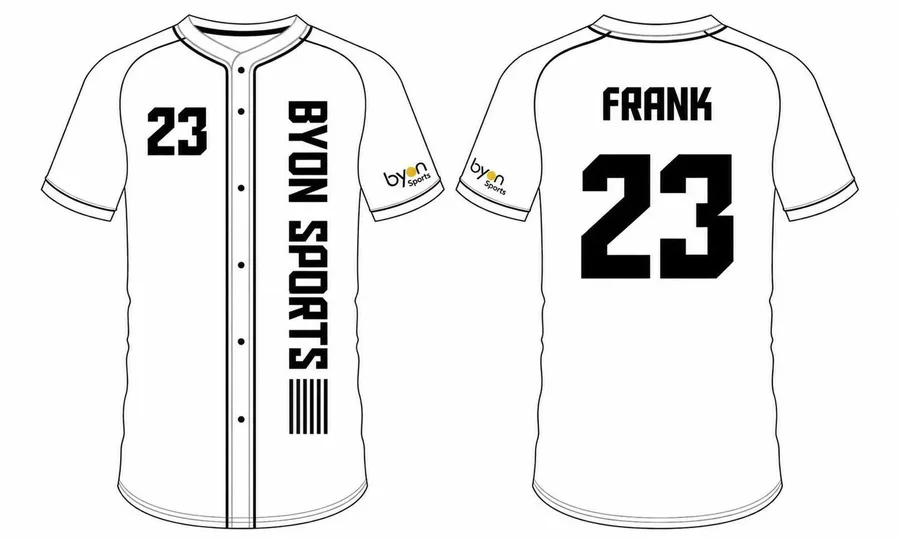
A custom men's team style prepared for wholesale quantities and repeat runs.
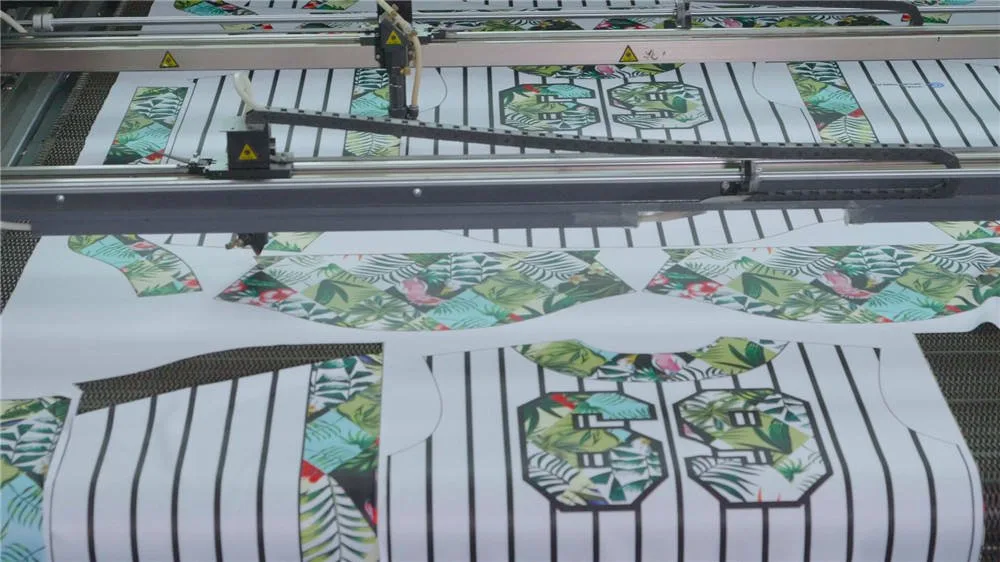
Production-ready details
A clear specification helps the artwork, pattern, and finishing stay consistent across every player size and repeat order.
Construction gallery
These close-up references show the details that can be confirmed before the order moves into bulk production.
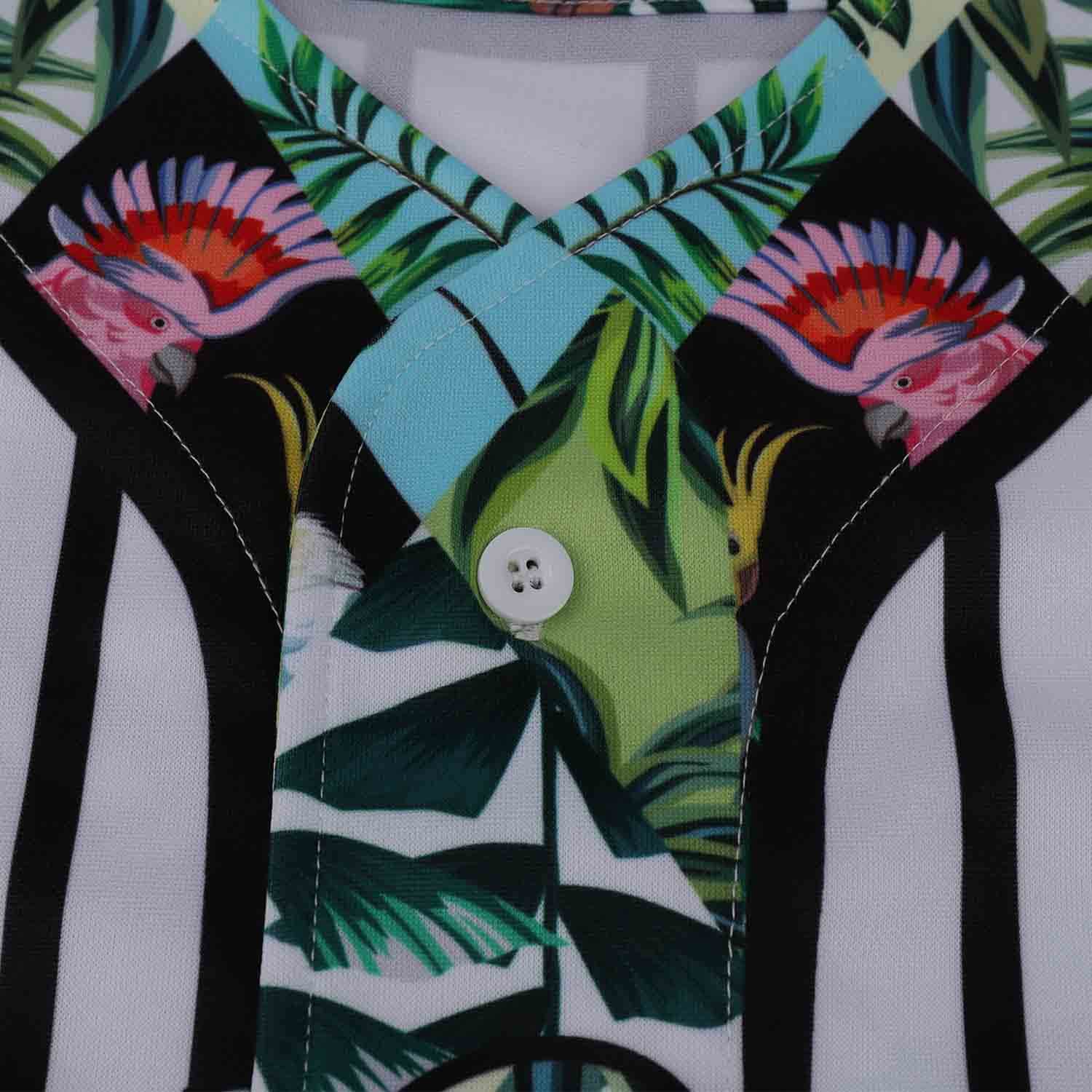
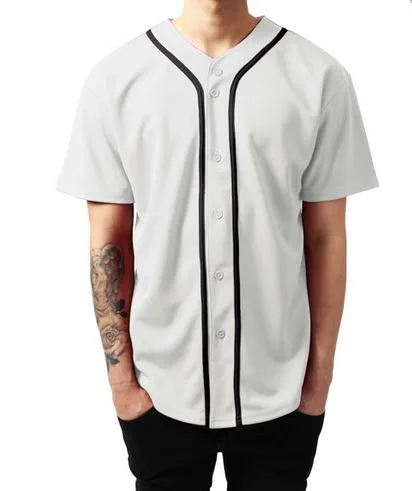
Button spacing, placket shape, piping, and front artwork alignment are set in the approved proof.
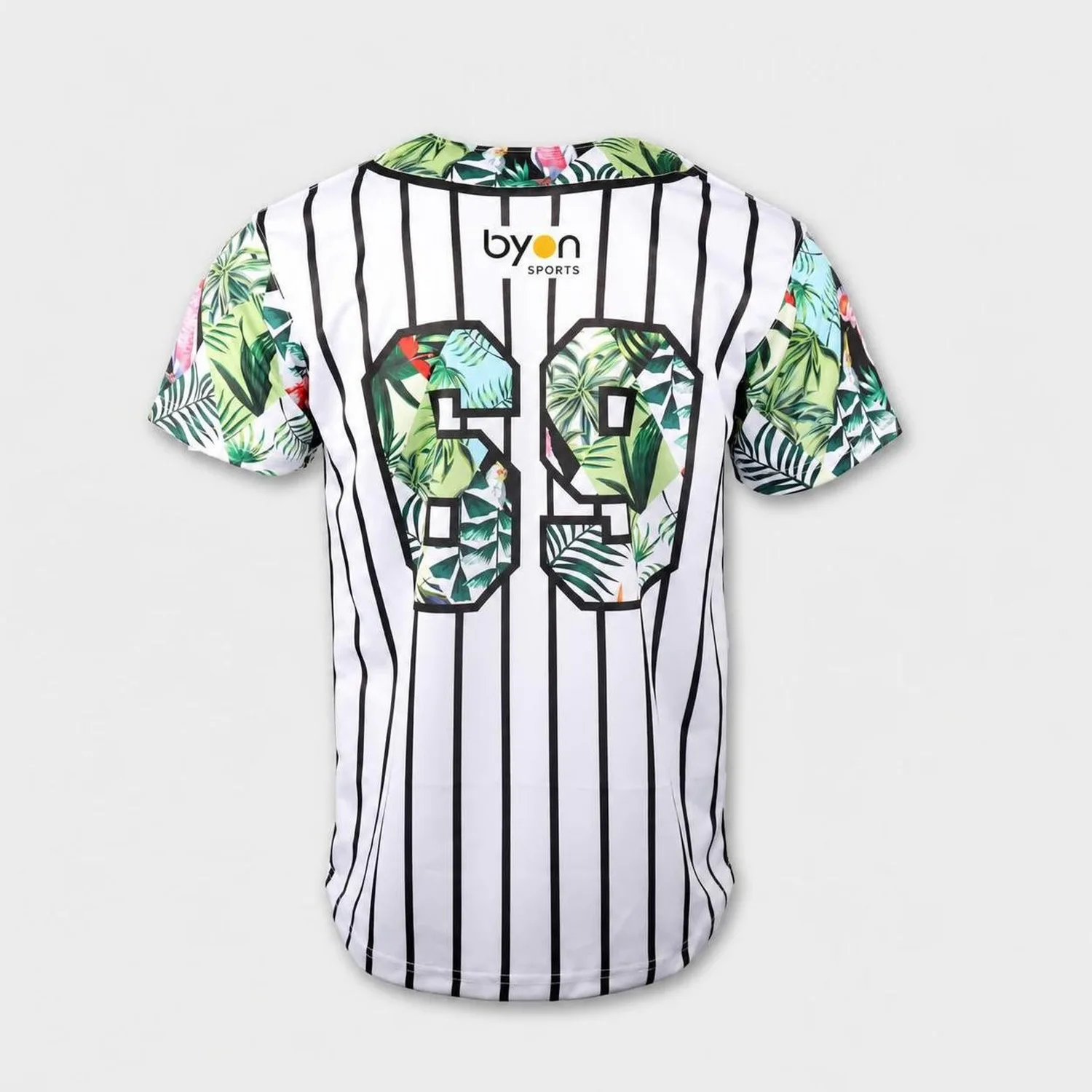
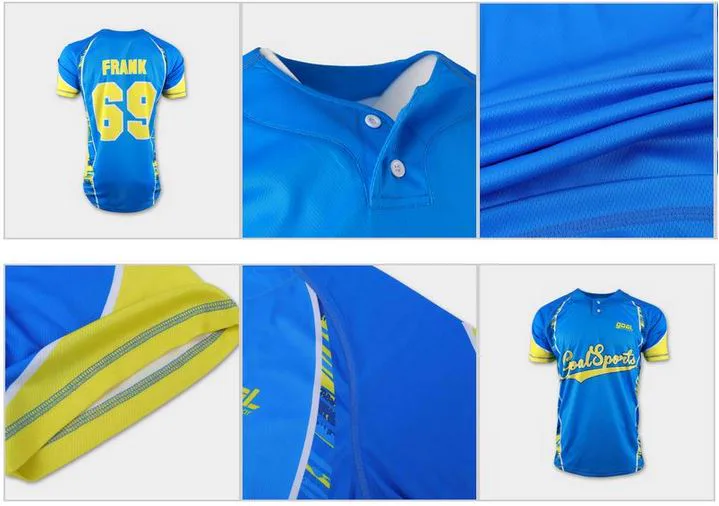
Player names, numbers, and back graphics are balanced against the approved team layout.
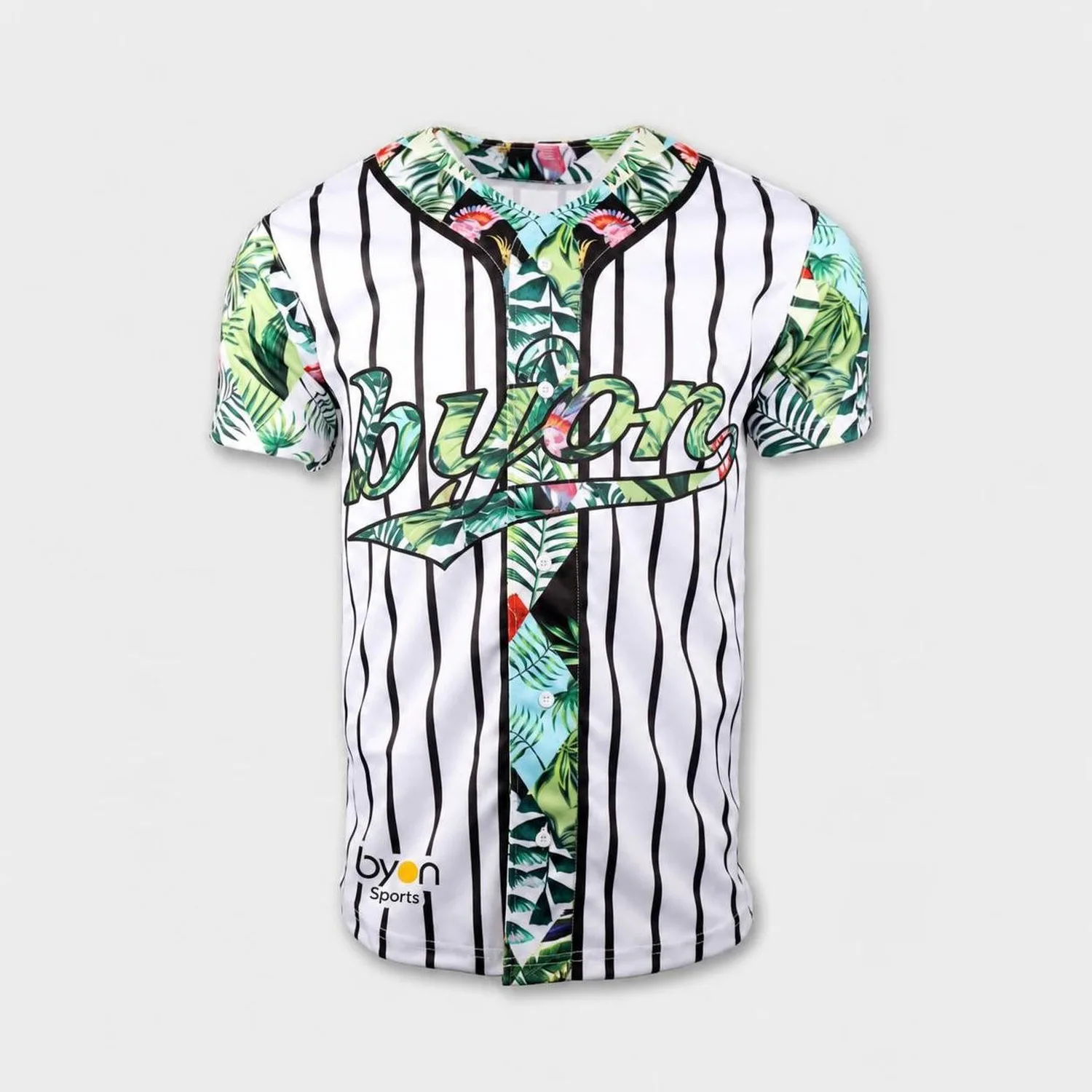
Team branding, piping, buttons, and color panels are aligned across the jersey front.
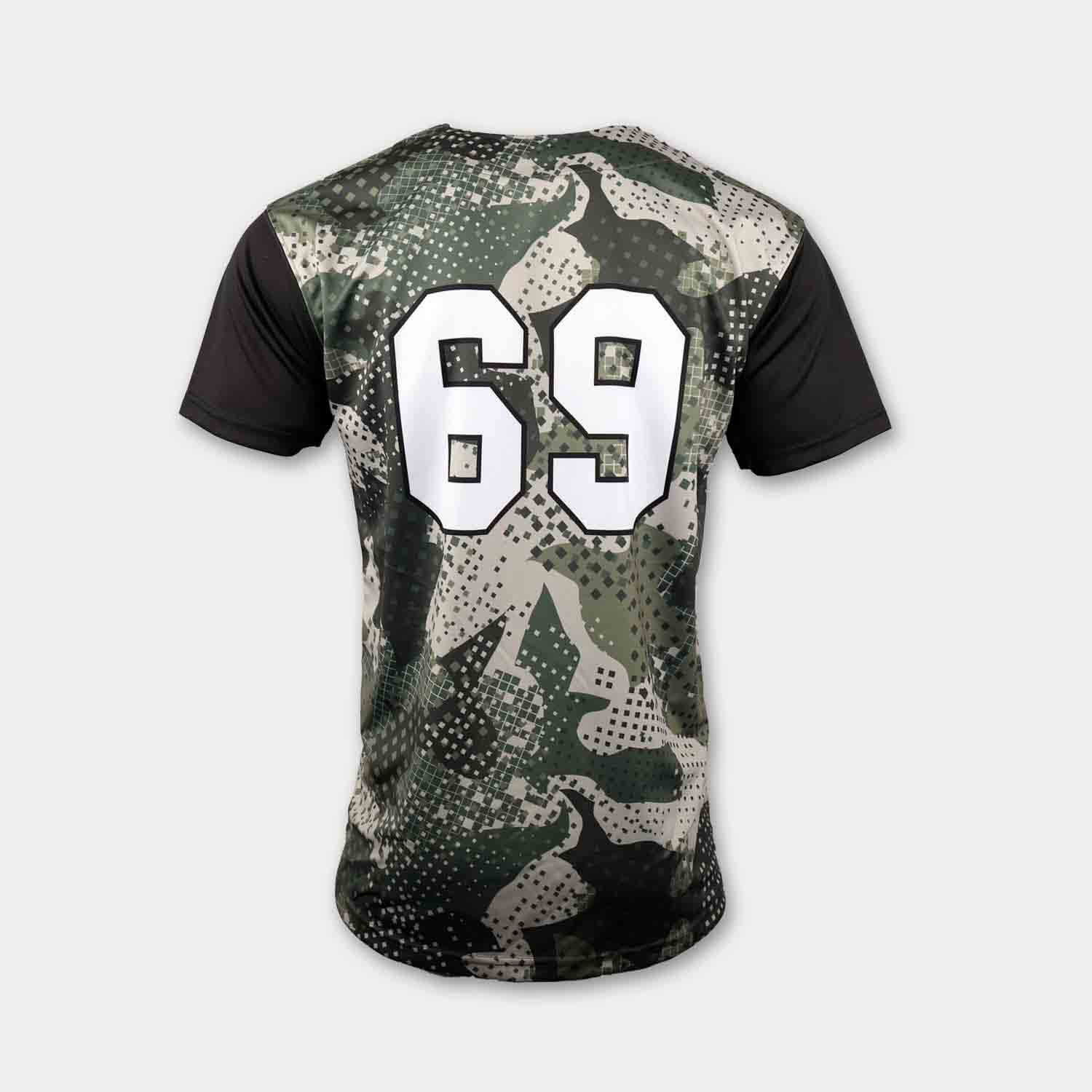
The rear artwork and panel transitions are checked for a clean full-button team presentation.
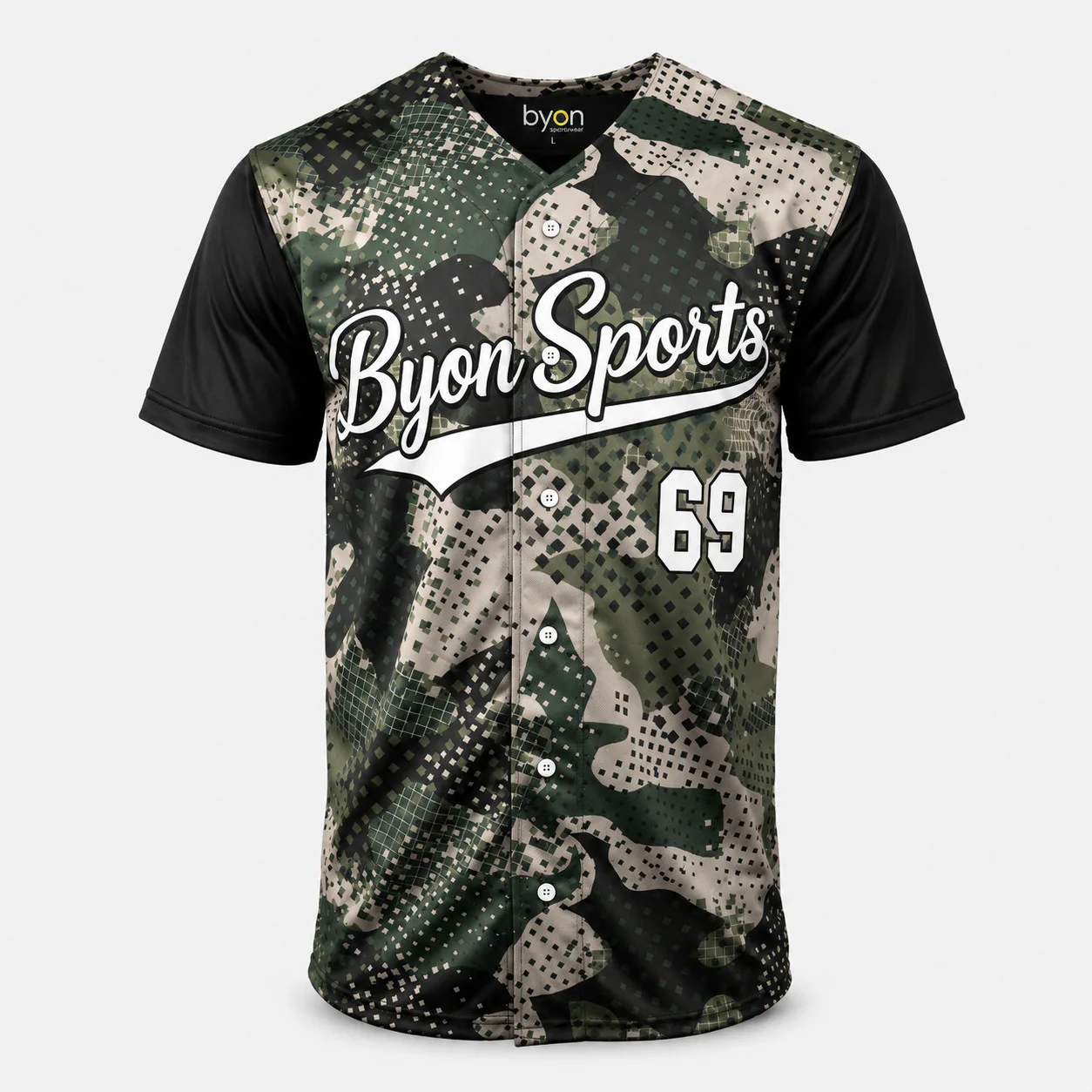
Front graphics are positioned around the full placket while maintaining clear team branding.
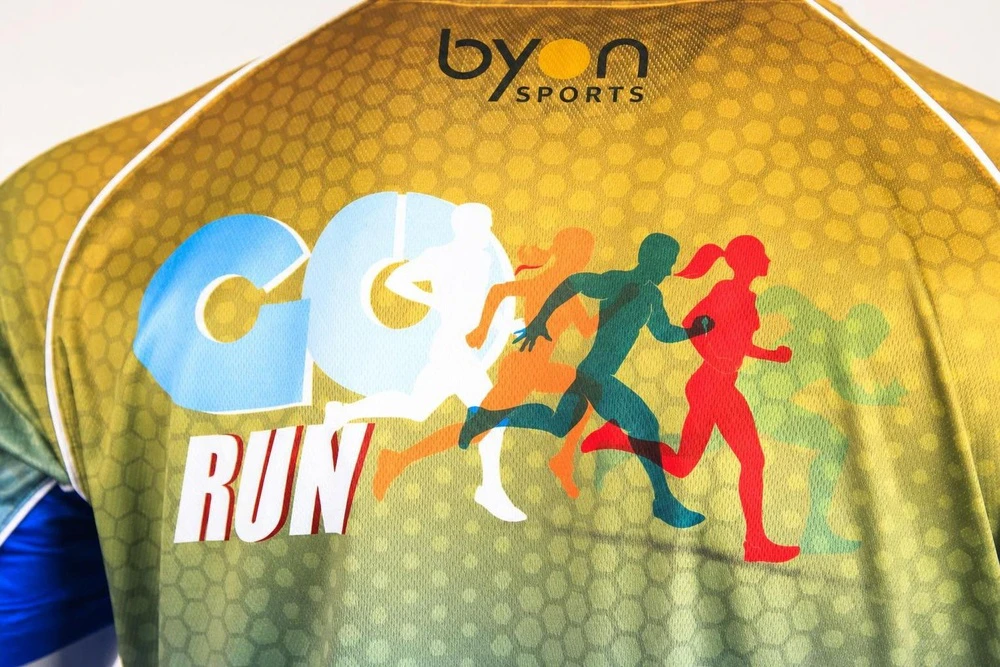
Full-color graphics are infused into polyester fabric for a smooth, lightweight finish.
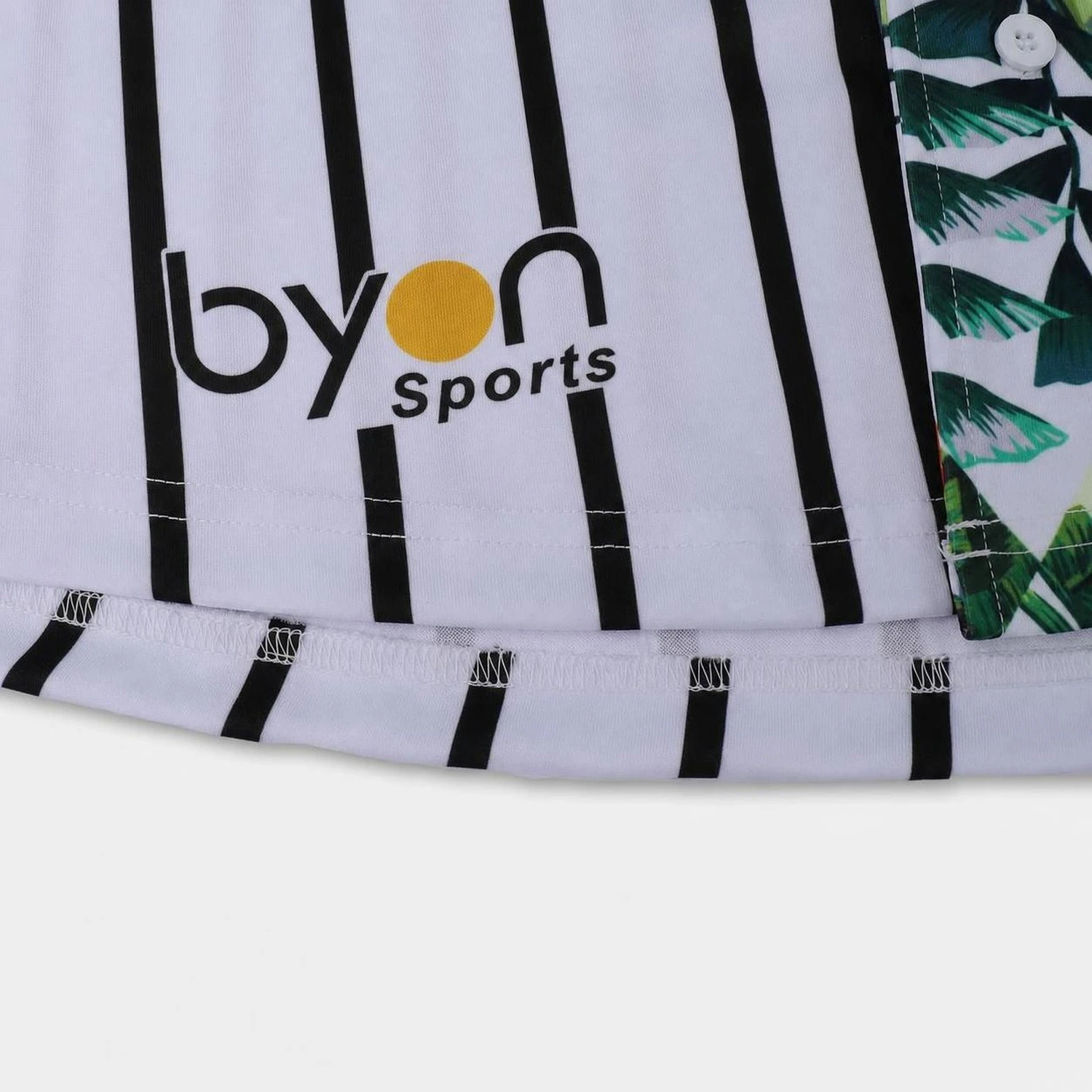
Seams and panel joins are checked for alignment, strength, and consistent finishing.
Ordering process
Confirm the important details early, approve the artwork, and keep production aligned to one shared reference.

Share the style, quantity, sizes, colors, logos, names, numbers, and delivery country.
Review the artwork placement, fabric, trims, measurements, labels, and packing.
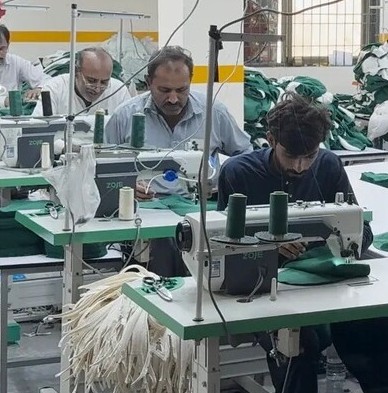
Fabric is printed, cut, stitched, finished, and inspected against the approved sample.
Completed jerseys are counted, packed, and prepared for delivery to your destination.
Complete buyer guide
Use this detailed guide to compare designs, materials, printing methods, sizing, production, quality, and delivery before placing a team or wholesale order.
The most useful features balance comfort, easy care, team identity, and durability. The exact specification depends on whether the jersey is intended for competitive play, training, travel, fanwear, retail, or promotional use.
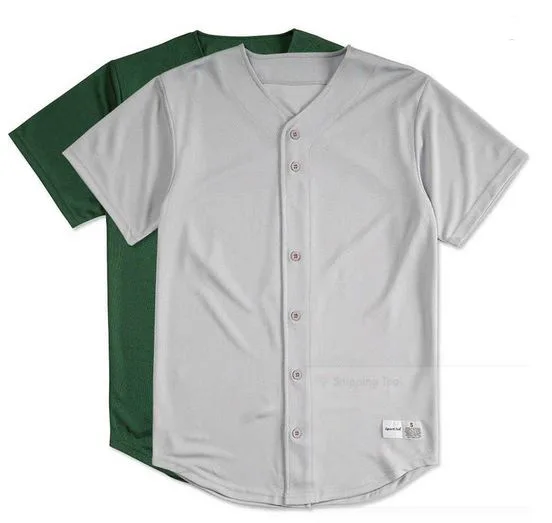
An effective game jersey should allow air to move through the fabric. Breathability is influenced by the fiber, fabric weight, knit structure, mesh zones, fit, and any additional finish applied to the material.
Baseball jerseys are exposed to sweat, dust, grass, and repeated use, so buyers should consider how easily the garment can be cleaned. The care method must suit the fabric, print, trims, and labels to avoid damaging the color or construction.
Logos, team names, player names, and numbers give the jersey its identity. The chosen print should be clear, durable, and compatible with the fabric. Sublimation is useful for detailed all-over designs because the image becomes part of the polyester fibers instead of forming a raised layer on top.
The main difference is the front closure. A two-button baseball jersey has a short placket with two buttons between the neckline and upper chest. It is pulled over the head and usually has a lighter, more contemporary appearance.
A full-button baseball jersey opens from the lower front to the neckline. This creates the traditional baseball silhouette and allows the jersey to be worn open or closed where the team or league permits it.
Both formats can be produced with short or long sleeves, custom collars, piping, performance fabrics, and personalized artwork. The best choice depends on the desired look, player preference, budget, league requirements, and how the uniform will be used.
Yes. Jerseys intended for organized competition may need to follow league, school, federation, or tournament rules. Requirements can cover logo placement, player-number size and position, contrast, jersey length, color combinations, advertising, and home and away uniform differences.
The team should provide the applicable regulations before artwork approval. This allows the manufacturer to position the identification, numbering, and branding correctly instead of changing the design after printing has begun.
The final price is influenced by the design, fabric, quantity, personalization, trims, labels, packing, printing method, sample requirements, and shipping destination. Cost should be reduced carefully so the jersey still performs as expected.
A simpler color arrangement, fewer trims, and straightforward artwork can reduce development and production complexity. The design should still retain enough identity to avoid looking generic or unfinished.
Fabrics vary in fiber, weight, knit, finish, print behavior, and durability. Selecting a lower-cost material can reduce the quote, but it may also change the comfort, color clarity, or working life of the garment.
Order only the sizes and quantities that are needed, while considering whether a larger production run offers a better unit price. A clear roster helps avoid waste, shortages, and unnecessary replacement orders.
Printing methods have different setup costs and durability. A simple screen print may suit limited-color artwork, while dye sublimation is often better for permanent, detailed, full-color designs and individual names and numbers. The least expensive method is not always the lowest-cost choice over the life of the jersey.
Dye sublimation is well suited to polyester baseball jerseys because it supports detailed graphics, broad color ranges, gradients, all-over patterns, and player-specific information without adding a heavy layer to the fabric.
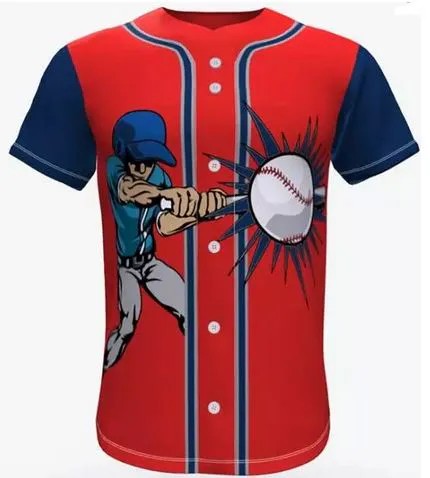
Heat turns the dye into a gas that bonds with the polyester fibers. Because the design becomes part of the fabric, it resists cracking and peeling and can retain its appearance through repeated use and correct washing.
Sublimation produces clear, vibrant artwork that is useful for strong team identity, sponsor visibility, retail presentation, and promotional use. The finished print remains smooth to the touch and does not block the fabric with a thick surface layer.
Multiple colors, names, numbers, and design variations can be arranged within the digital artwork. Once the files and settings are approved, the method supports efficient repeat production without preparing a separate screen for every color.
Sublimation and screen printing both have useful applications, but they produce different results. Sublimation is usually the stronger option for polyester jerseys with detailed, full-color, all-over artwork, gradients, or individual player personalization.
A sublimated image is infused into the fabric, so it remains smooth and is less likely to crack or peel. Screen printing places ink on the surface and is often efficient for bold, limited-color graphics in larger runs, but each color and placement can require separate preparation.
Sublimation can reproduce several colors in the same transfer and makes digital variations easier to organize. Screen printing may still be preferable for simple designs, special inks, or fabrics that are not suitable for sublimation. The right choice depends on artwork, material, quantity, feel, durability, and budget.
The working life of a jersey depends on its fabric, construction, printing method, frequency of use, type of activity, fit, cleaning procedure, and storage. A well-specified garment will still wear faster when it is used intensively or cared for incorrectly.
Fabric quality, weight, knit stability, abrasion resistance, stretch recovery, and color performance all influence durability. Cotton and synthetic fibers behave differently, so the best choice depends on the intended use rather than fiber name alone.
Frequent games, sliding, contact, training, and rough surfaces increase wear and tear. The more vigorous the activity and the more often the jersey is used, the sooner high-stress areas may show wear.
Different fabrics, prints, and trims require different care. Following the manufacturer-approved washing, drying, and storage instructions helps protect the color, shape, seams, labels, and personalization.
Pattern balance, seam type, stitch density, reinforcement, fabric handling, print control, and finishing quality all affect how the jersey performs over time. These details should be checked against the approved sample.
Turnaround depends on the order quantity, jersey specification, artwork readiness, sample requirements, fabric and trim availability, personalization, packing, and shipping method. A simple repeat order can move faster than a new style that requires development and several approvals.
Production planning begins after the essential details and commercial terms are confirmed. Buyers receive a more reliable schedule when the roster, sizes, artwork, color references, labels, packing instructions, and destination are supplied together and approvals are returned promptly.
Minimum order quantity depends on the current fabric, print, trim, sampling, and production requirements. Low-volume custom orders may be possible, while a larger quantity generally improves manufacturing efficiency and the unit price.
Send the required quantity and size breakdown when requesting a quotation. This allows the production team to recommend a practical order level without creating unnecessary stock or cost.
A jersey can be developed to perform in warm, cool, humid, or windy conditions by selecting a suitable fabric weight, knit, sleeve length, and moisture-management finish. Performance polyester also dries faster than many absorbent materials.
Weather resistant does not automatically mean waterproof. A standard baseball jersey will not keep the wearer dry in sustained rain unless a specialized coating or laminated fabric is used, and that type of construction may reduce breathability.
Yes. Completed orders can be prepared for domestic or international delivery according to the agreed shipping and packing plan. Garments can be folded, individually packed, size marked, counted, carton packed, and documented for dispatch.
The available logistics route depends on the destination, order volume, delivery deadline, and buyer preference. Freight, warehousing, customs clearance, duties, and final delivery responsibilities should be confirmed in the quotation so each party understands the shipping terms.
Send the delivery city and country with the inquiry so transport options can be considered alongside the jersey cost and production schedule.
FAQ
Quick answers to the main design, material, sizing, and ordering questions.
Colors, logos, player names and numbers, sleeve length, piping, buttons, fabric, labels, sizing, and packaging can all be customized.
Polyester and polyester-rich performance fabrics provide the strongest sublimation color, a lightweight feel, and practical moisture management.
Yes. Individual names and numbers can be built into each jersey artwork file without adding a raised print layer.
Yes. The same approved artwork can be adapted to adult, youth, and kids patterns while maintaining the intended placement and proportions.
Send the quantity, size range, delivery country, preferred fabric or jersey style, and any logos, artwork, roster files, or reference images.
Yes. Sampling can be included so the fit, artwork, fabric, buttons, stitching, labels, and packing can be reviewed before the main order.
Ready for an artwork proof
Include your quantities, sizes, team colors, player list, delivery country, and any logo or reference files you already have.