Flexible movement
Shorter, slightly relaxed knee construction reduces excess fabric while supporting running, hitting, pitching, and sliding.
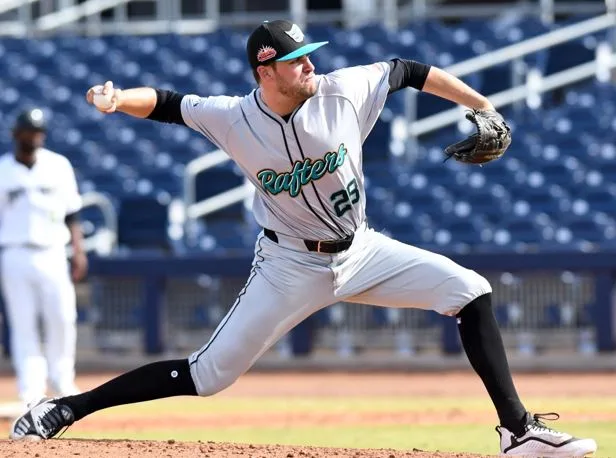
Develop lightweight custom baseball knickers with team colors, logos, names, adult or youth sizing, reinforced knees, performance fabrics, custom hems, pockets, belts, socks, and durable decoration.
Built around the player
Confirm the fit, length, material, reinforcement, hem, pockets, belt, socks, artwork, and decoration method in one compact specification.
Shorter, slightly relaxed knee construction reduces excess fabric while supporting running, hitting, pitching, and sliding.
Add approved colors, pinstripes, piping, logos, names, numbers, pockets, labels, and performance finishes.
Standard and custom patterns support adult, youth, kids, women, XS, S-XL, 2XL, 4XL, and sizes up to 7XL.
Custom construction
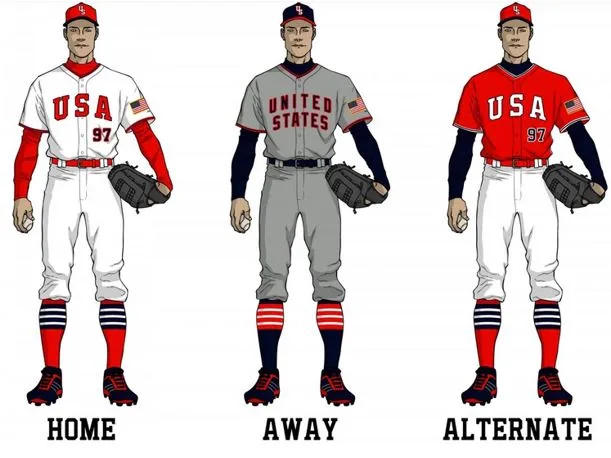
Byon Textile can adjust fabric, fit, inseam, rise, knee position, reinforcement, hems, pockets, belt loops, colors, labels, artwork, and decoration for coordinated team orders.
Complete FAQ guide
Review knicker history, benefits, materials, designs, sizing, fit, hems, stirrups, socks, belts, pockets, decoration methods, sublimation, stock options, and quality requirements.
Baseball pants are available in several styles, each with different fit and performance benefits. Knicker-style pants are shorter and slightly loose around the knee, reducing excess fabric and supporting freedom of movement.
Custom baseball knickers can carry team colors, logos, names, numbers, and other approved elements. They remain popular with professional and amateur players because they are lightweight, flexible, breathable, sleek, and closely associated with traditional baseball styling.
Baseball dates to the early 1840s. Players initially wore long, baggy pants, commonly made from wool. The heavy material was uncomfortable in summer and the extra length restricted movement and created a tripping risk.
Toward the end of the 1860s, players and officials adopted shorter knicker pants. The garments were still relatively heavy, but their reduced length allowed freer movement around the field.
Knickers also encouraged the use of high, colored baseball socks that distinguished teams from their opponents. The style remained prominent for more than a century and continues to be used alongside newer baseball pants silhouettes.
Custom baseball pants include every personalized baseball-pants style. Options can use open or closed bottoms, relaxed or semi-relaxed fits, different lengths, varied print methods, and team-specific trims.
Knickers are one style within that wider category. Other choices include piped, solid, classic long, and pinstripe baseball pants.
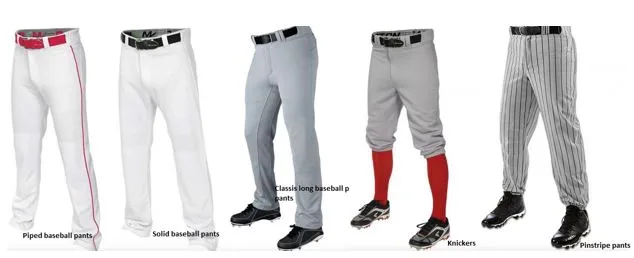
Custom baseball knickers are tailored to the team's requirements and visual identity. They can use pinstripes, knee or three-quarter lengths, approved colors, logos, names, numbers, and other design elements.
High-quality lightweight and flexible fabric lets players move without the drag and tripping risk of excessive material. Breathable, moisture-wicking constructions help players remain cooler, drier, and more comfortable in different weather conditions.
Suitable decoration can resist fading, cracking, and peeling and may remain serviceable for the life of the garment. Well-specified knickers can also provide an affordable uniform option that lasts for multiple seasons without sacrificing fit or appearance.
Durable knitted 100% polyester is the most common material. It can provide breathability, low weight, moisture management, flexibility, durability, and compatibility with full-color dye sublimation.
Polyester fabric should stretch enough to follow natural movement during running, hitting, pitching, fielding, and sliding. The exact knit, weight, recovery, hand feel, and finish should match the playing conditions and target fit.
Other options include cotton, wool, nylon, and blended materials. Cotton adds softness and warmth, nylon contributes stretch and durability, and wool is useful for warmth during cold-weather training or play.
Poly-cotton can balance comfort and durability, although polyester-rich constructions are better suited to sublimation. Nylon-polyester blends can improve flexibility and hand feel, while polyester-spandex blends increase stretch and suit form-fitting pants, inserts, and undergarments.
Three principal designs cover traditional and contemporary team looks.
Pinstripe knickers create a vintage appearance with a solid white or gray foundation and multiple narrow stripes running from the waist to the hem.
Solid knickers use a simple color without stripes for a clean, modern appearance. They coordinate with a wide range of jersey colors and styles.
Piped knickers use a solid foundation with a defined stripe on each side. This standard baseball treatment is available in many color combinations and pairs easily with different jerseys.
Baseball involves running, sliding, diving, and repeated contact with the ground. Reinforced fabric at the knees helps absorb impact, protects the player from abrasion, and slows wear in a high-stress area.
Knee reinforcement therefore supports both player protection and garment durability. The reinforcement should remain flexible enough for unrestricted movement.
Adult, youth, and kids patterns commonly run from S through XL. XS, 2XL, 4XL, and custom sizes up to 7XL may also be produced when specifically requested.
Length options include three-quarter, knee, and above-knee cuts. Select the size using the waist and inseam, where inseam is measured from the crotch to the hem.
Consider the rise when measuring the inseam because it controls how snugly or loosely the crotch area sits. Allow enough room for the intended fit and unrestricted movement.
Women's baseball knickers should use a pattern developed for the female form. The pants should fit snugly and comfortably with reinforcement at the knees and slide zones where required.
A correct fit should not require constant adjustment at the back or waist. It should remain secure while allowing players to run, bend, crouch, hit, and field without restriction.
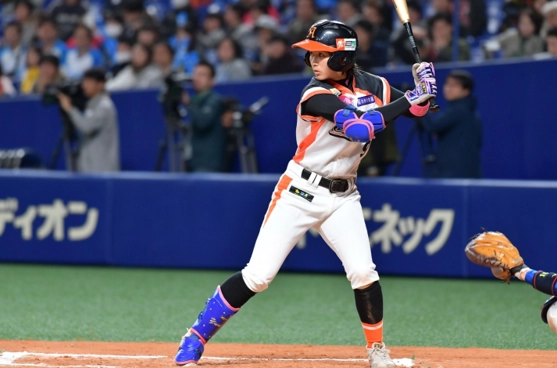
Not necessarily. Tightness depends on player preference, skill level, fabric stretch, team style, and required performance.
Professional players often prefer a secure fit that does not twist or bunch while remaining flexible. Amateur and casual players may choose a slightly looser fit as long as the pants do not feel heavy, slip, or restrict movement.
Slightly relaxed pants can suit some players, but excessively baggy knickers create discomfort, interfere with running and fielding, and increase the risk of tripping or injury.
Tape and improvised rolling are not reliable solutions for pants that are too large. Correct measurements and an approved size chart let players focus on stealing bases, fielding, and making plays instead of adjusting the garment.
White is commonly used for home uniforms, but the applicable team and league rules should be confirmed before production. Away uniforms can generally use an approved team color.
Teams often choose white because it creates a simple, consistent appearance and coordinates with many jersey colors. White fabric also reflects more heat than dark colors, which can improve comfort in hot conditions.
Closed and open hems are available. A closed hem commonly uses stretch material to secure the pants at a set length and works well for knee or three-quarter styles that run slightly long.
An open hem is intended to sit more freely and creates a casual, comfortable appearance. It is less common for knickers and can be harder to hike securely because the player must roll and hold the opening in position.
No, although the differences can be small. Softball pants are closely related to baseball pants but are often cut more generously.
Baseball knickers commonly include back pockets and belt loops. Softball knickers may omit back pockets and can replace belt loops with a drawstring that tightens and secures the waist.
Baseball stirrups are long, toe-less and heel-less outer socks that cover the calf. Knickers finish below the knee and leave much of the lower leg exposed, so players traditionally use colored socks for coverage and stirrups over them.
Stirrups were introduced partly as protection because dye from early colored socks could contaminate a spike wound. Modern stirrups are optional in many settings but remain closely associated with traditional professional baseball styling.
Their stripes and colors can repeat the team palette and logo treatment, giving the complete custom uniform a strong visual identity.
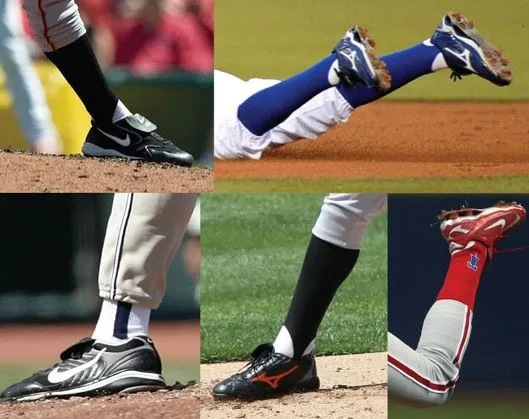
Baseball knicker socks commonly match the jersey. Striped socks should use the team color as the foundation or principal stripe treatment.
Choose comfortable socks with cushioning and integrated mesh for ankle support and airflow. Strong materials and workmanship improve durability and performance.
Fit and size matter because secure socks should stay in position during intense activity. Elastic constructions can provide a close, comfortable fit without slipping.
Youth knickers use the same quality, moisture-wicking, breathable, lightweight, and flexible fabric principles as adult pants, adjusted to youth-specific patterns and sizes such as youth S, M, L, and XL.
Stock and custom youth options are available. Custom garments can carry team colors, logos, numbers, and other approved design elements.
Optional performance finishes include UV protection, stain resistance, odor management, and antibacterial technologies when compatible with the selected fabric and production method.
Belts combine practical waist security with team styling and are often preferred over drawstrings because they are reliable, recognizable, and easy to coordinate.
Elastic belts suit youth and casual players, can accommodate growth over several seasons, and are available in many colors and styles. Leather belts provide a traditional, close fit and are commonly preferred by professional players.
Logos, letters, numbers, sponsor marks, and approved artwork can be applied using several decoration methods. Select the method according to fabric, design complexity, color count, quantity, hand feel, durability, and budget.
Screen printing uses a stencil-like screen to force ink onto the fabric. It is suitable for vibrant, relatively simple artwork using one or two principal colors.
Sublimation is cost-effective for intricate multicolor designs on compatible polyester. Heat, pressure, and time turn solid dye into gas so it bonds within the polyester fibers, creating artwork that does not form a thick surface layer or readily crack and peel.
Embroidery uses thread and a machine or manual process to sew designs into the garment. Cost depends on the artwork size, stitch count, thread colors, backing, and placement.
Tackle twill uses designs cut from heavy, colorfast twill and sewn directly onto the knicker fabric.
Applique combines twill and embroidery by sewing cut fabric elements onto the garment with an embroidery machine, producing a dimensional, durable team design.
Heat transfer and direct-to-garment printing may also be considered when compatible with the selected material, artwork, quantity, and performance requirement.
Dye sublimation is widely used for high-quality custom polyester sportswear. It requires no separate screen for every color, which reduces physical setup and makes short multicolor runs more practical.
The digital process is fast and supports detailed text, images, gradients, and full-color layouts with extensive customization. Because the dye bonds within compatible polyester, the result remains lightweight and resists surface fading, cracking, and peeling through repeated correct washing.
Sublimation uses ink efficiently and can reduce print setup waste. Total environmental performance still depends on ink, paper, energy, fabric, production efficiency, care, and end-of-life practices.
Yes. Pocket options include back pockets, side pockets, and combined side-and-back configurations.
Pockets can hold batting gloves, additional braces, or wraps. A button, snap, or zipper closure helps keep the contents secure during running, sliding, and fielding.
Dye sublimation is best suited to polyester and polyester-rich blends. On materials without sufficient compatible polyester, the dye will not form the same permanent bond.
The technique is particularly useful for artistic, complex, multicolor, and seam-to-seam designs. It is less appropriate when the required fabric, base color, or decoration effect is incompatible with disperse dye.
Sublimation does not print opaque white ink and normally relies on white or light polyester as the color base. It has broad color capability but may not be the most economical choice for simple block-color artwork that another method can reproduce efficiently.
Stock baseball knickers are ready-made garments in standard materials, colors, and sizes. They are not specific to one team, although logos and numbers can sometimes be added after purchase.
Custom knickers are developed around the team with selected materials, performance finishes, colors, sizes, sponsor marks, logos, names, numbers, pockets, hems, and other approved details.
A strong custom knicker combines durable decoration, an accurate and comfortable fit, unrestricted movement, breathable lightweight fabric, moisture management, and reliable construction.
The material, reinforcement, hems, waistband, belt loops, pockets, seams, labels, and artwork should remain serviceable for more than one season when correctly specified and cared for.
Price matters, but value should be assessed against the complete fabric, fit, construction, performance, decoration, inspection, packing, and delivery requirements rather than the lowest cost alone.
Send your inquiry
Include the quantity, adult or youth sizes, fit, length, fabric, reinforcement, hem, pockets, colors, logos, decoration, destination, and target date for an accurate quotation.