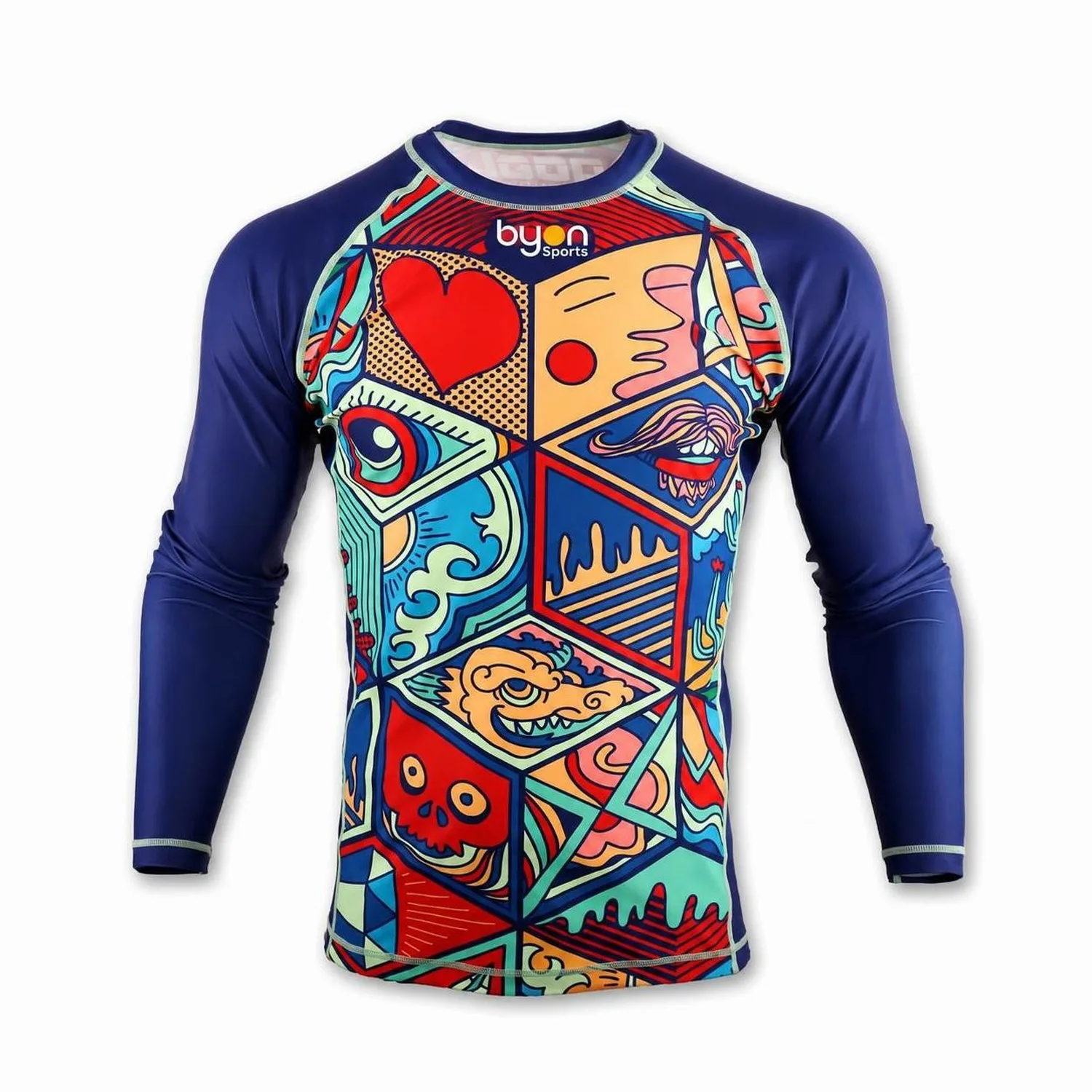
Custom sportswear
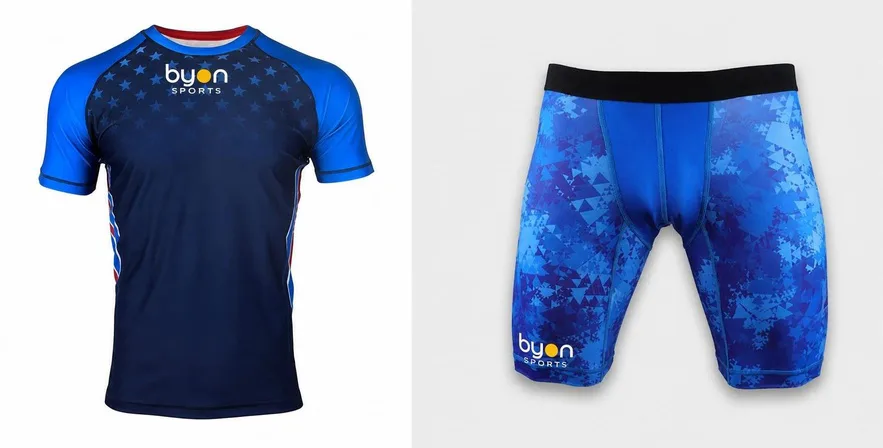
Sublimated Rash Guards
- 88% polyester 12% spandex material.
- Short sleeve styles available.
- Custom team and sponsor graphics.
Sportswear manufacturing
Byon Textile produces export-ready teamwear, activewear, and performance apparel with in-house sublimation, stitching, inspection, and finishing.
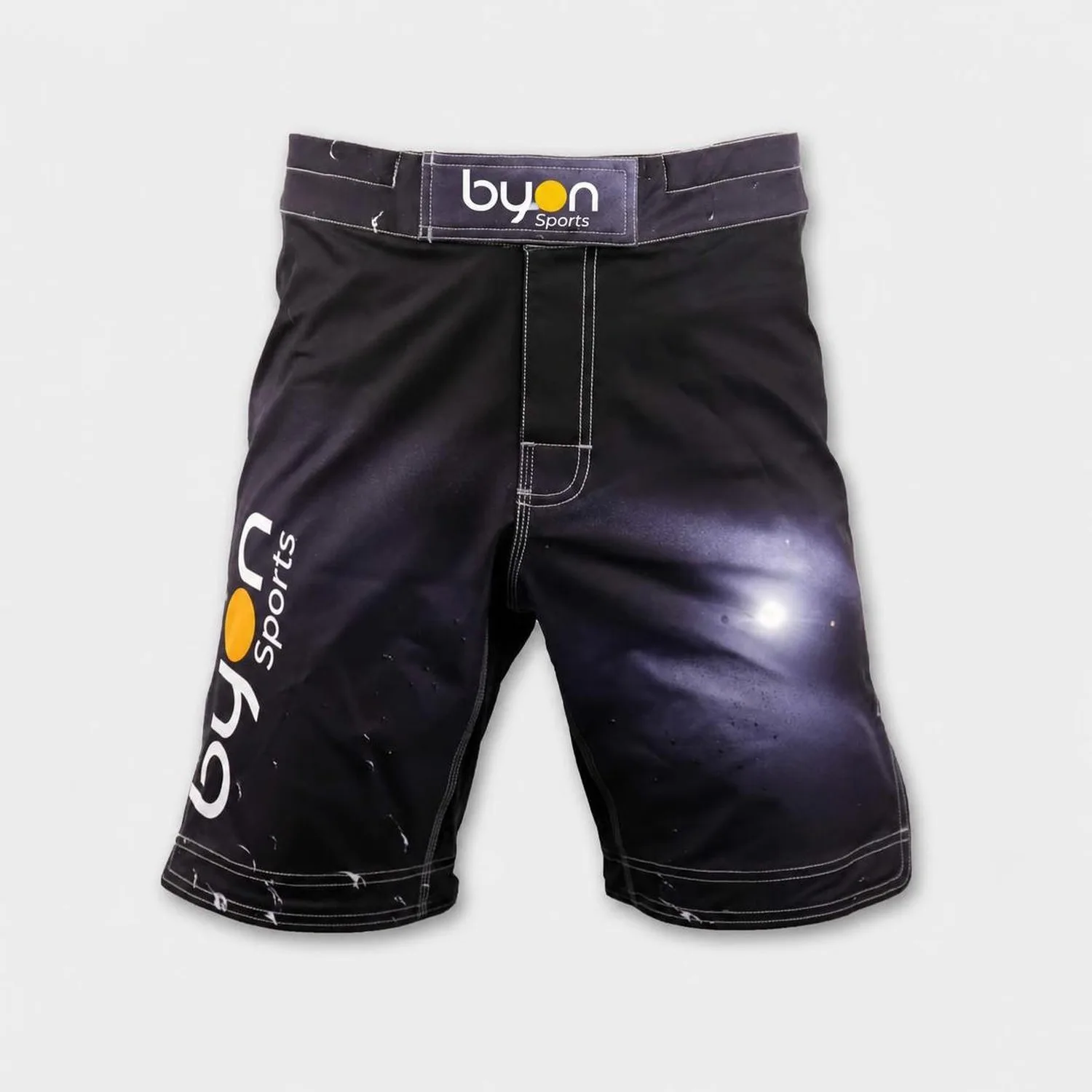
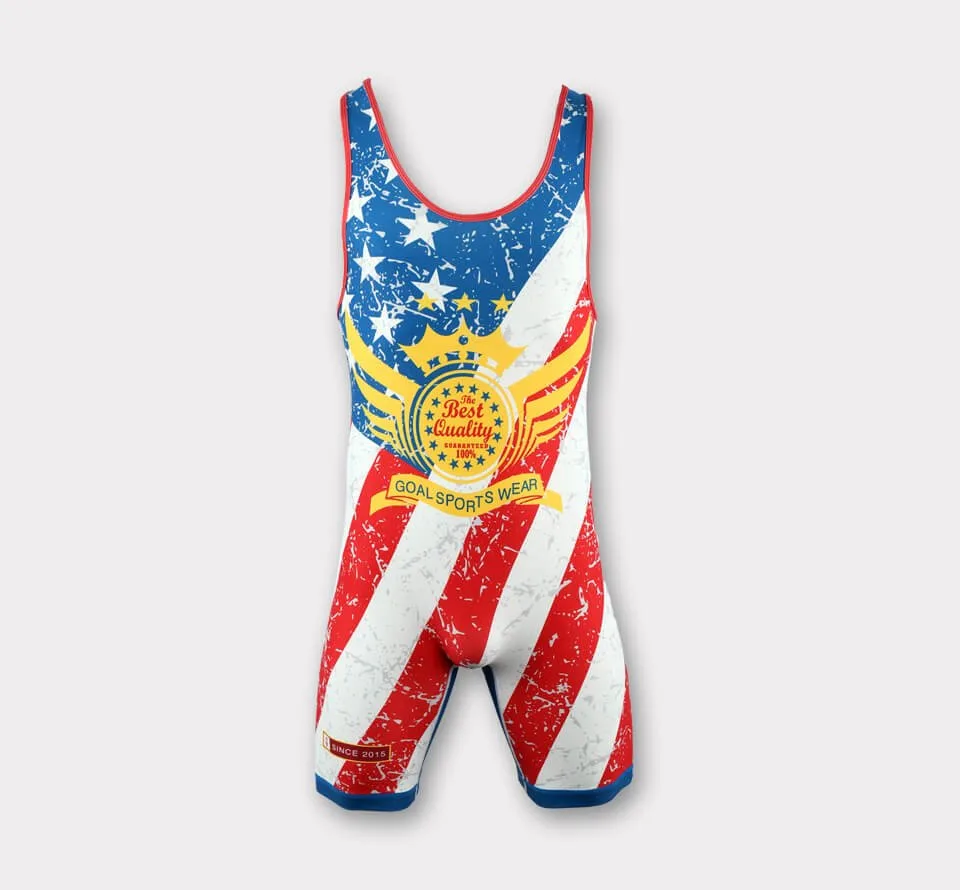
Low-risk starts
Start with a small run, approve the artwork proof, and scale into repeat production with the same fabric, trims, and finishing standards.
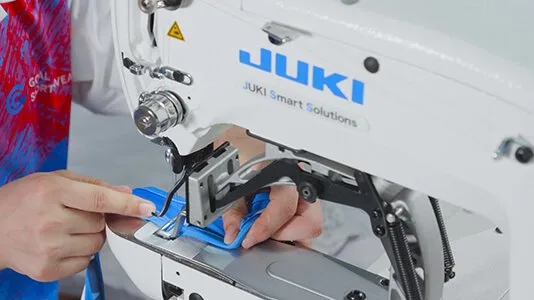
Reinforced finishing
Bartack and seam details for high-movement teamwear.
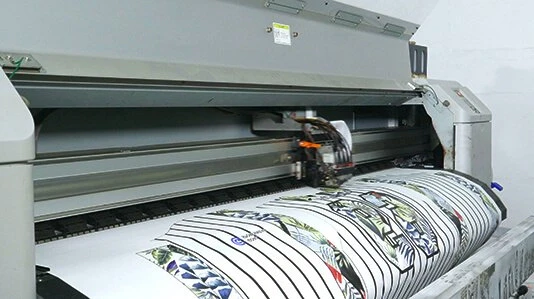
Digital sublimation
Permanent color transfer for names, numbers, and logos.
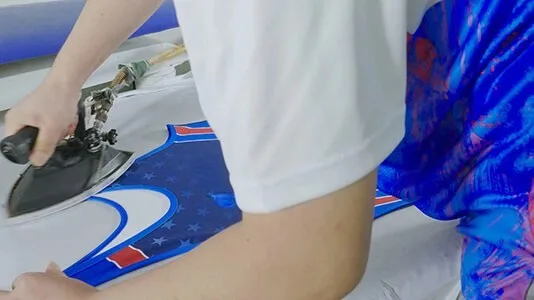
Final finishing
Pressing, inspection, and packing before dispatch.
Product range
A focused selection of teamwear products with custom fabrics, size specs, labels, trims, and print placement.
Custom sportswear
Custom sportswear
Custom sportswear
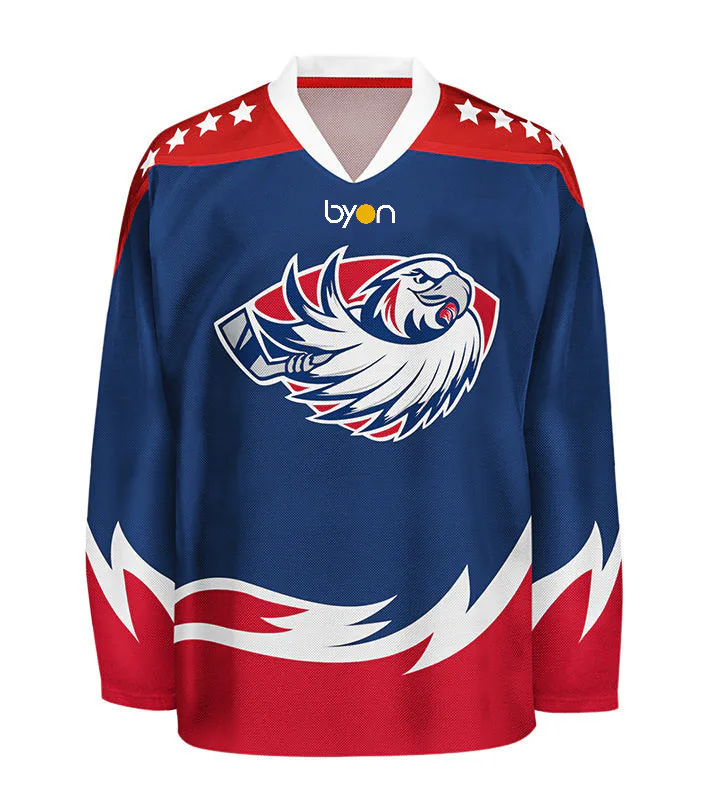
Custom sportswear
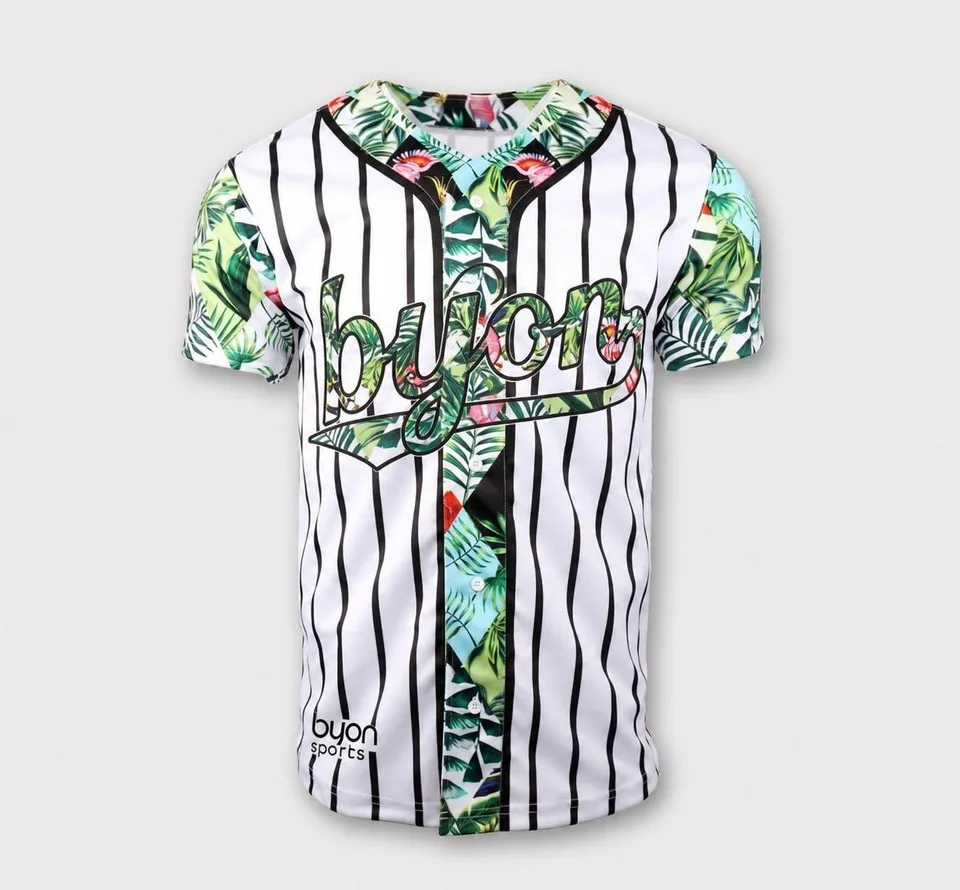
100% polyester interlock material. Full button and two-button styles. Full dye sublimation printing.
Explore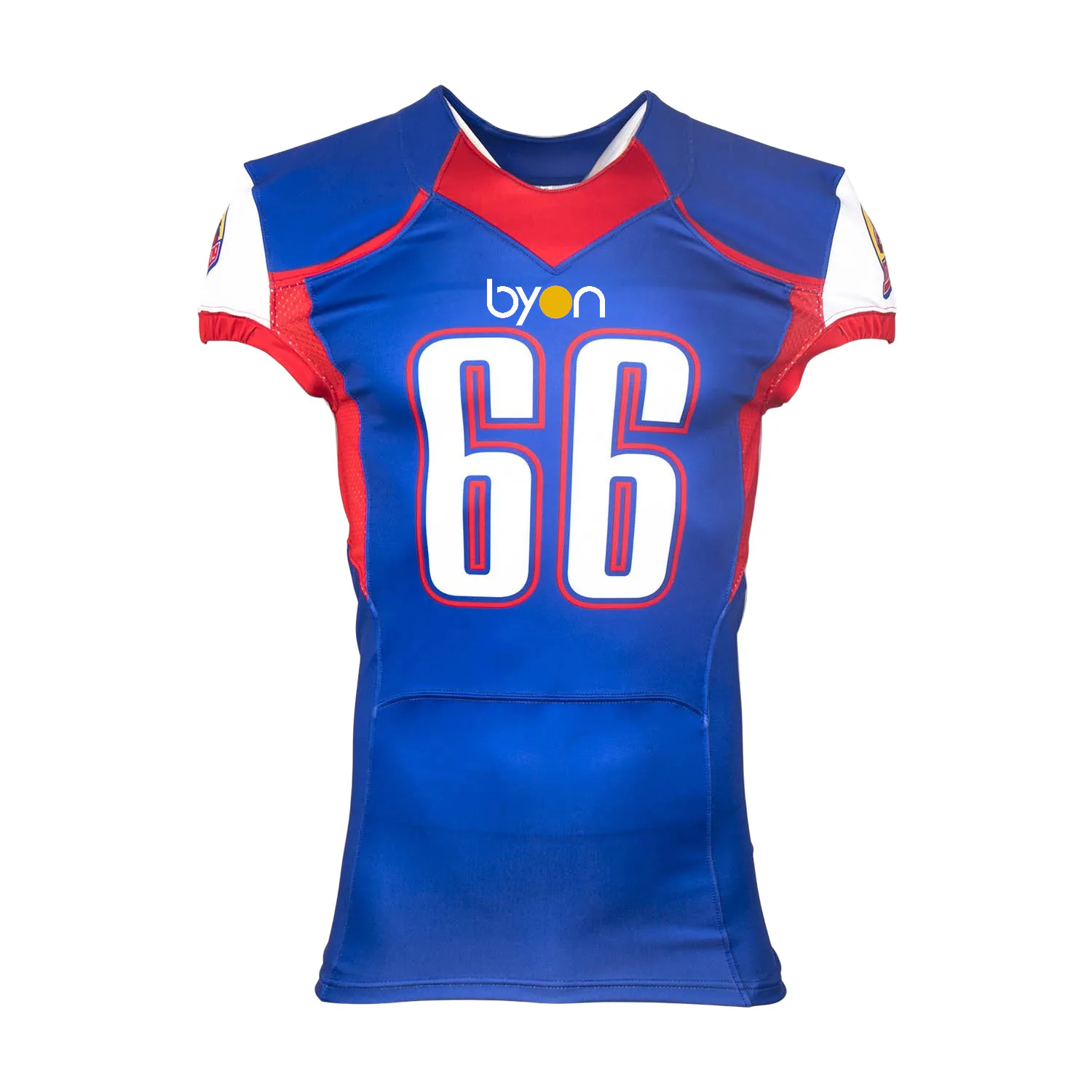
Polyester spandex material with stretch mesh. Small MOQ: 10 pieces. Men's, women's, and youth sizes available.
Explore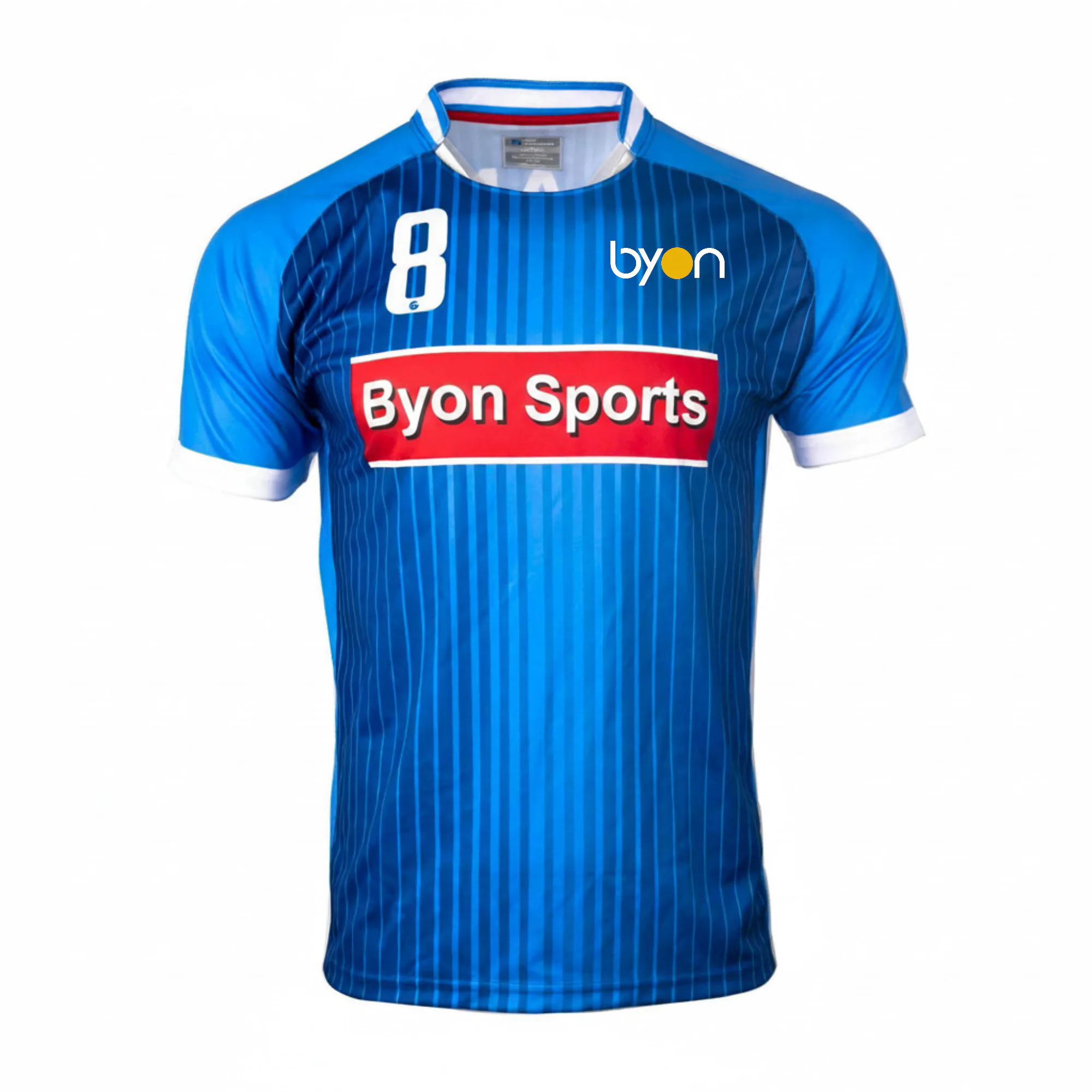
100% polyester dry-fit lightweight material. Custom sizes and neck styles. Long sleeve goalie jerseys available.
Explore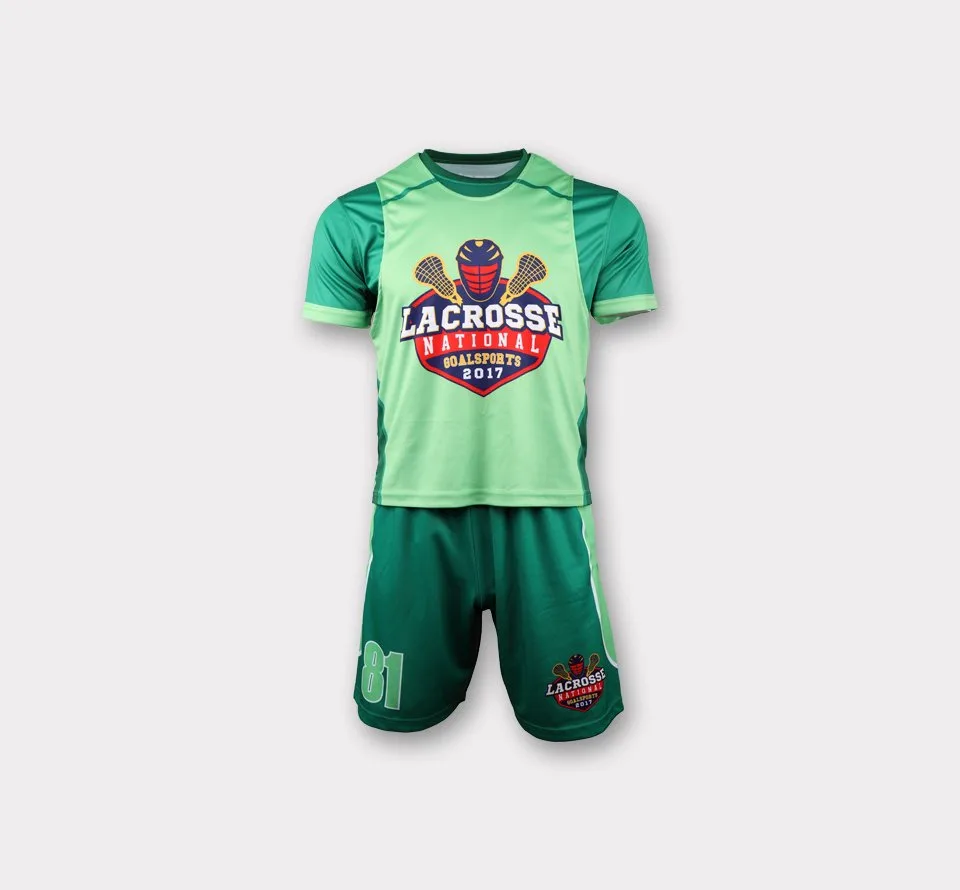
100% polyester micro mesh fabric. Custom private labels and tags. Fast turnaround time.
Explore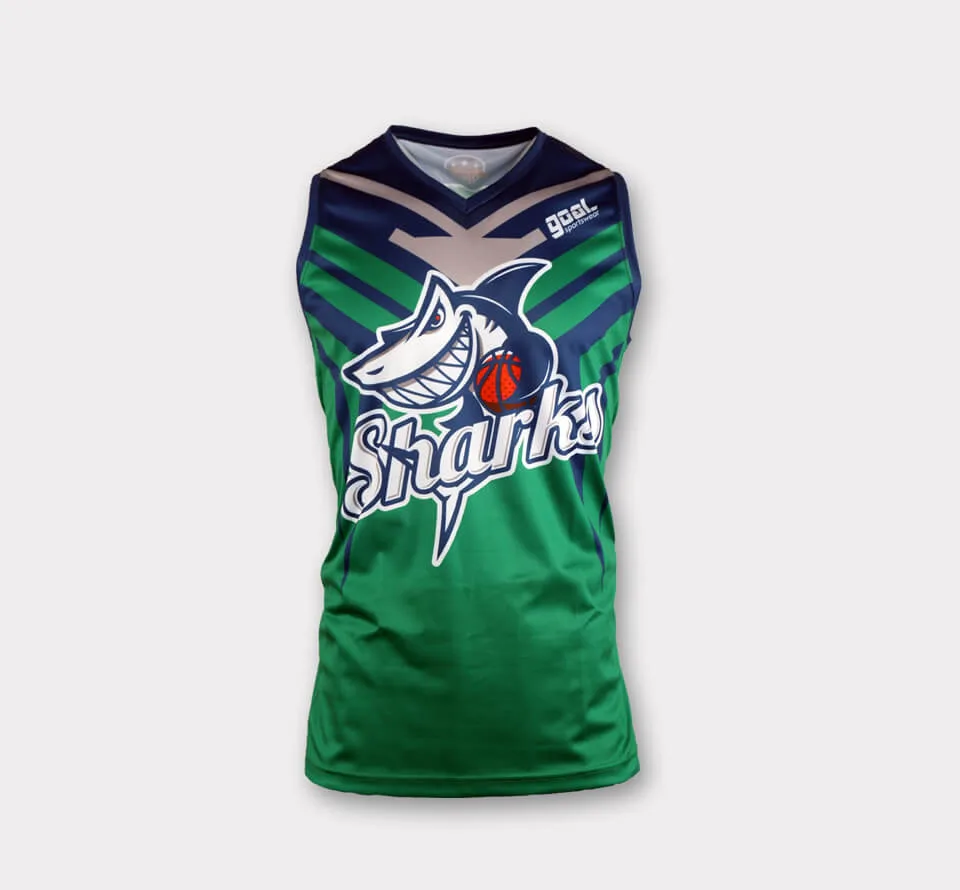
100% polyester micro mesh fabric. V neck and round neck styles. Reversible jerseys and shorts available.
Explore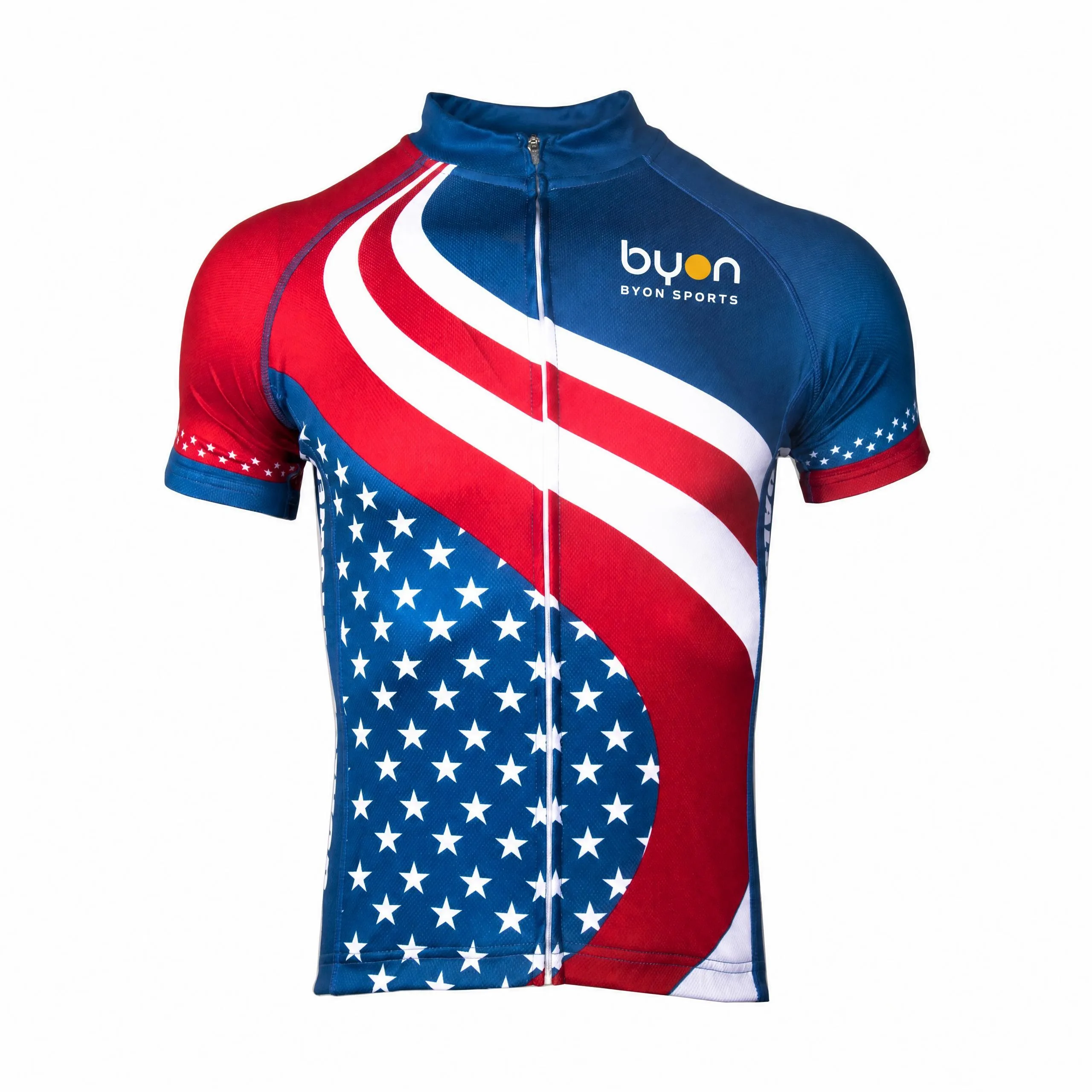
100% polyester moisture-wicking mesh. Quarter, three-quarter, and full zipper styles. YKK zipper options.
Explore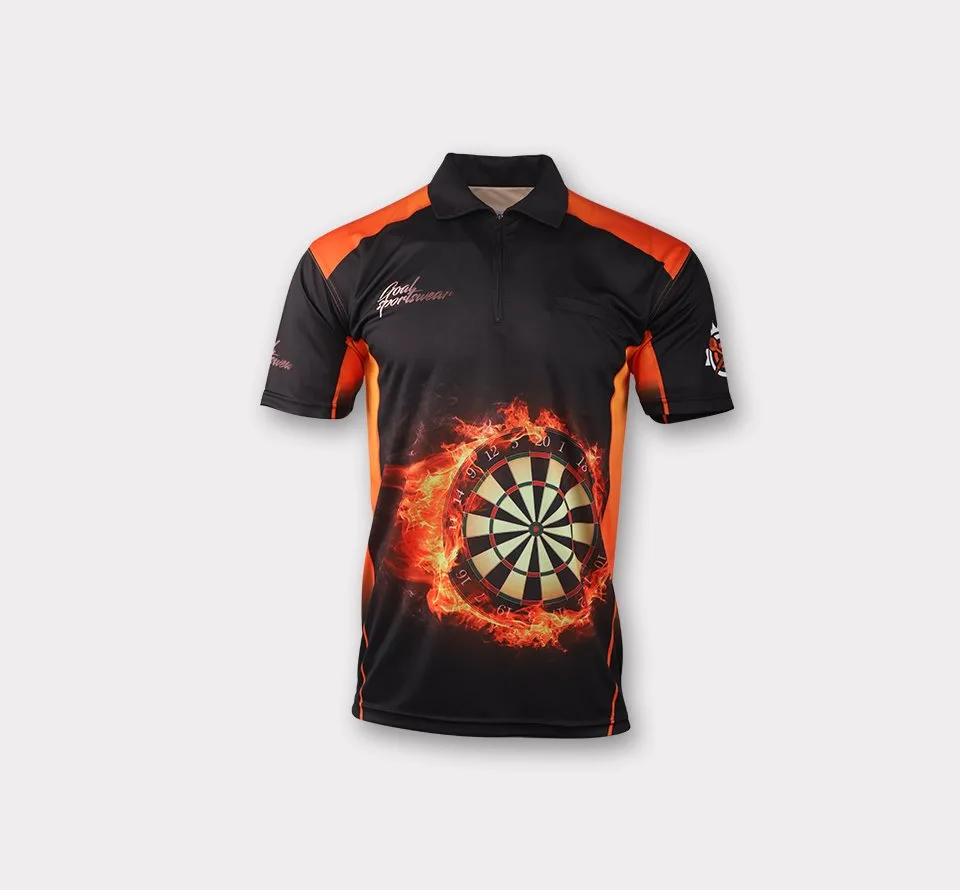
100% polyester performance material. Quarter zipper and polo collar styles. Custom design support.
Explore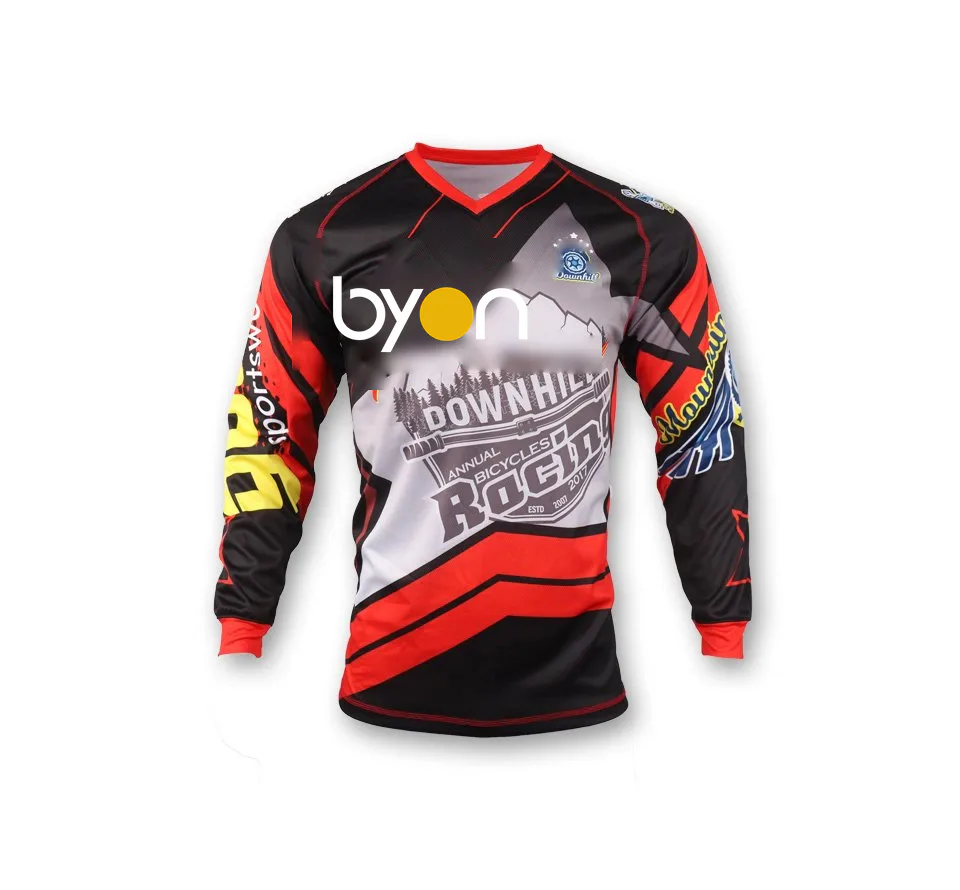
100% polyester performance mesh material. Kids, youth, and adult sizes available. Neon color options.
Explore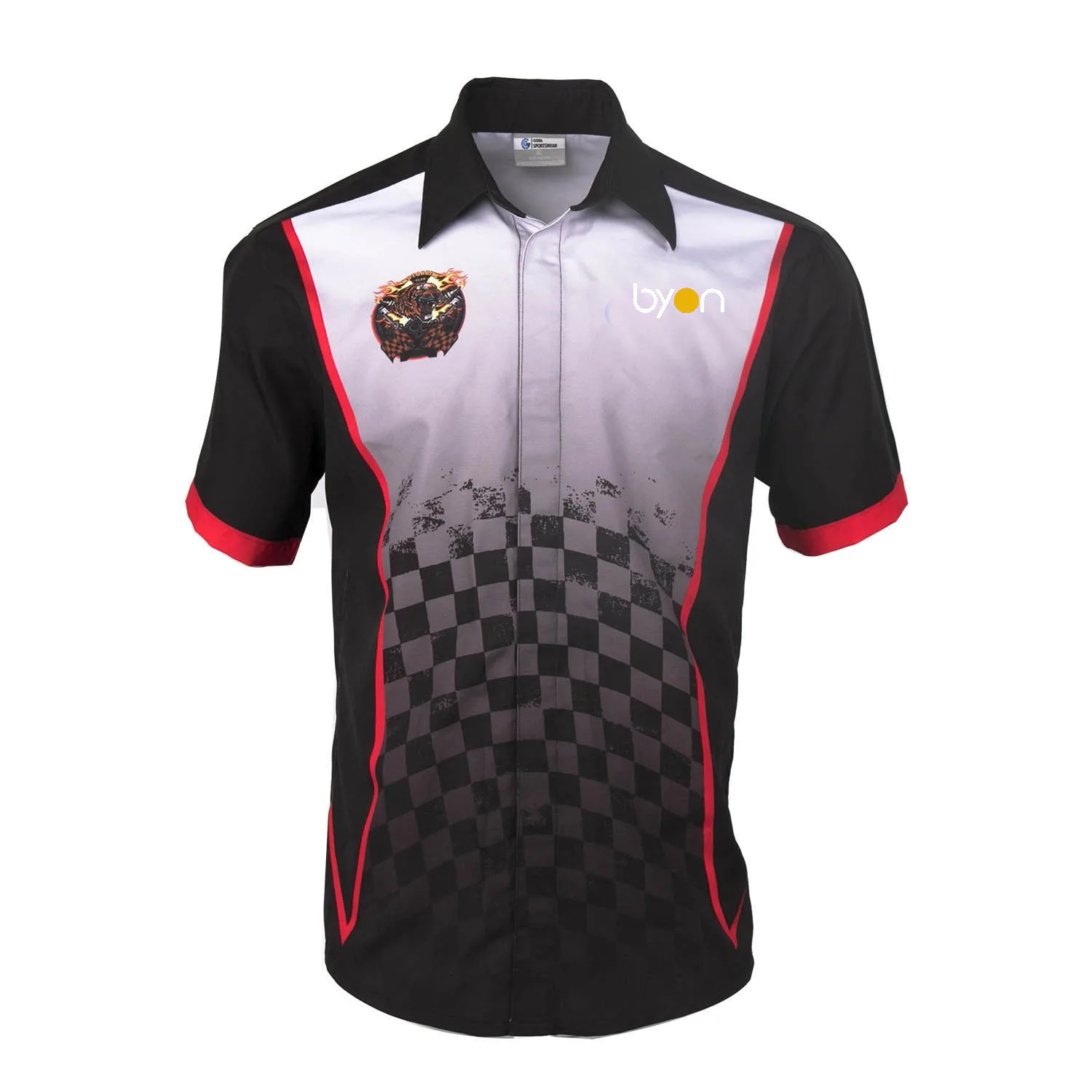
100% polyester breathable durable material. Kids, youth, and adult sizes available. Button-up and quarter zipper styles.
Explore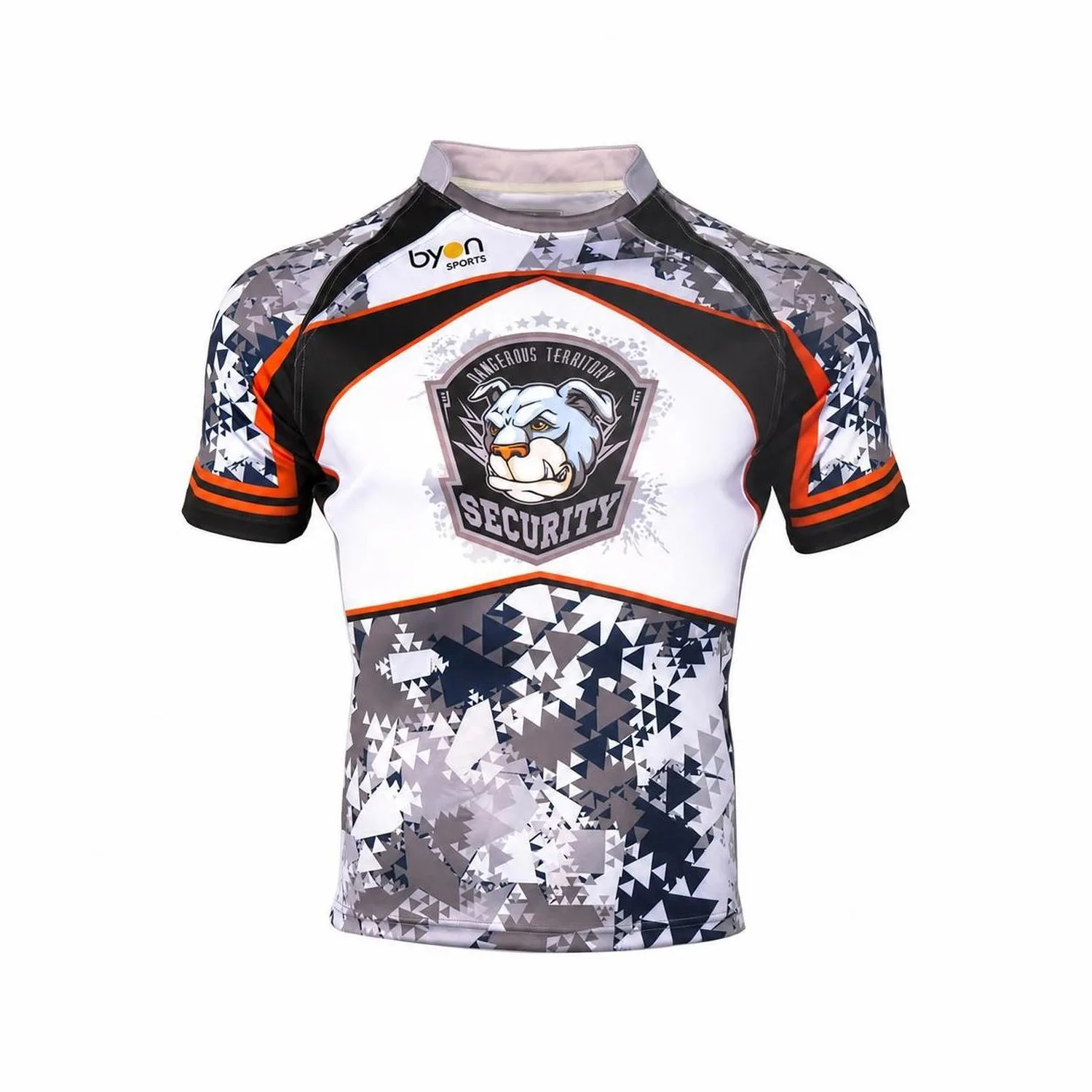
100% polyester durable material. Various collar options. Full sublimation printing.
Explore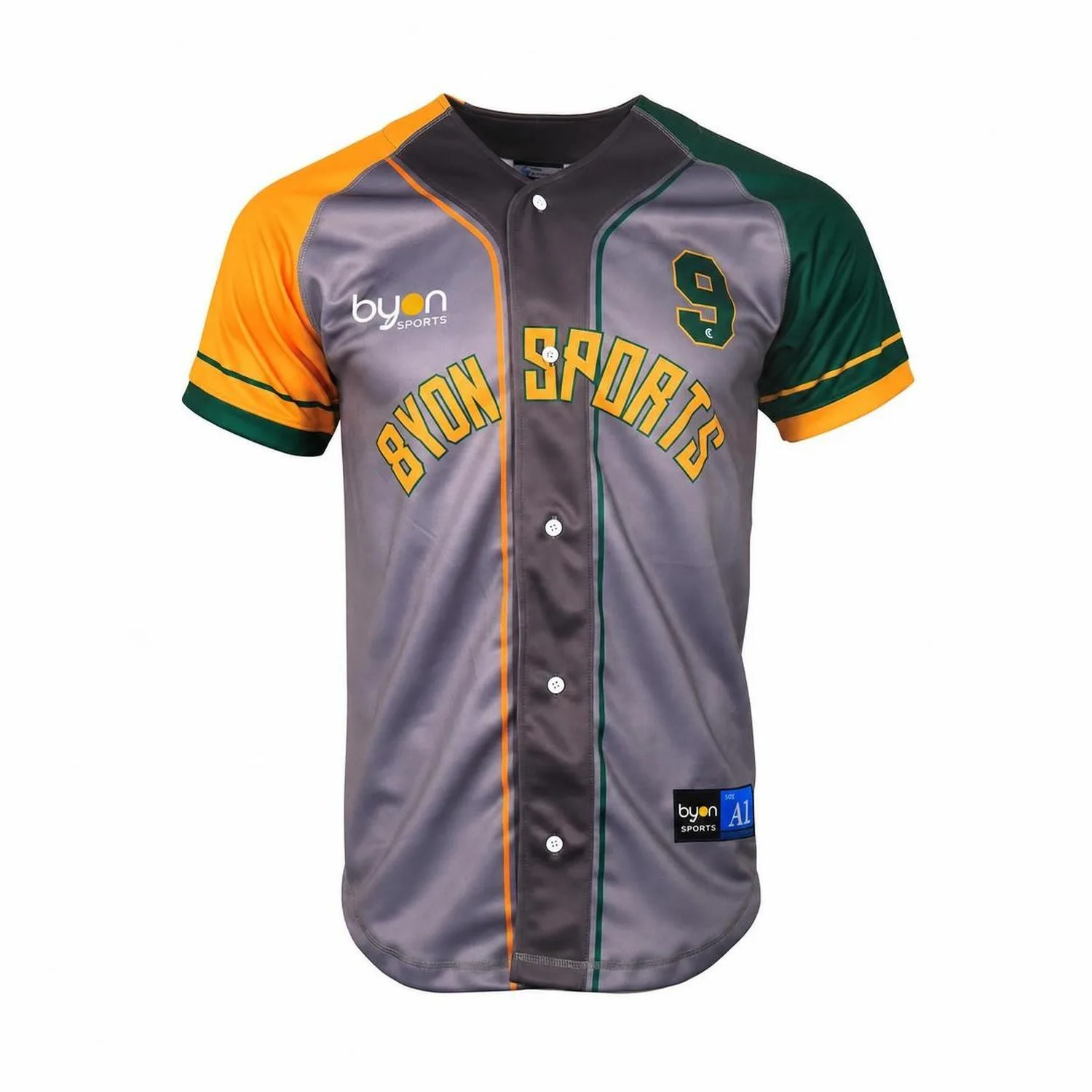
Polyester moisture-wicking material. Custom labels and tags. MOQ: 10 pieces.
Explore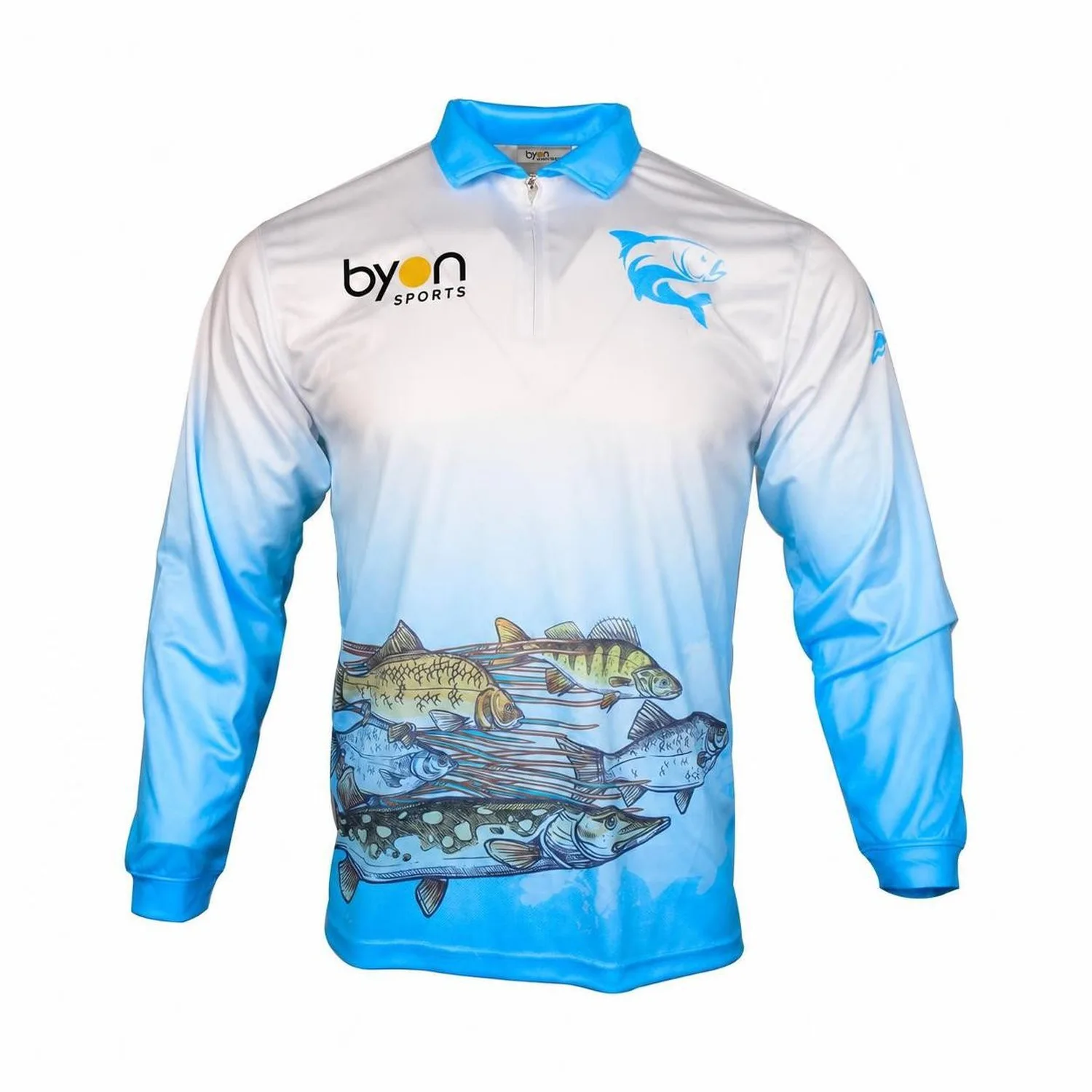
100% polyester moisture-wicking material. Stand-up and polo collar options. Short sleeve and long sleeve styles.
ExploreQuality control
The production checkpoints cover artwork, fabric, color, stitching, quantity, and packing before dispatch.
Responsive communication and streamlined production help keep sportswear orders moving quickly.
High-quality sublimation machines, inks, and production controls keep prints sharp and repeatable.
Each order is checked for logo placement, colors, player names, numbers, quantity, and finishing.
Questions, changes, and production feedback are handled quickly after dispatch.
More applications
Sports programs often need more than game-day jerseys. These companion products keep the same sublimation quality across a wider collection.
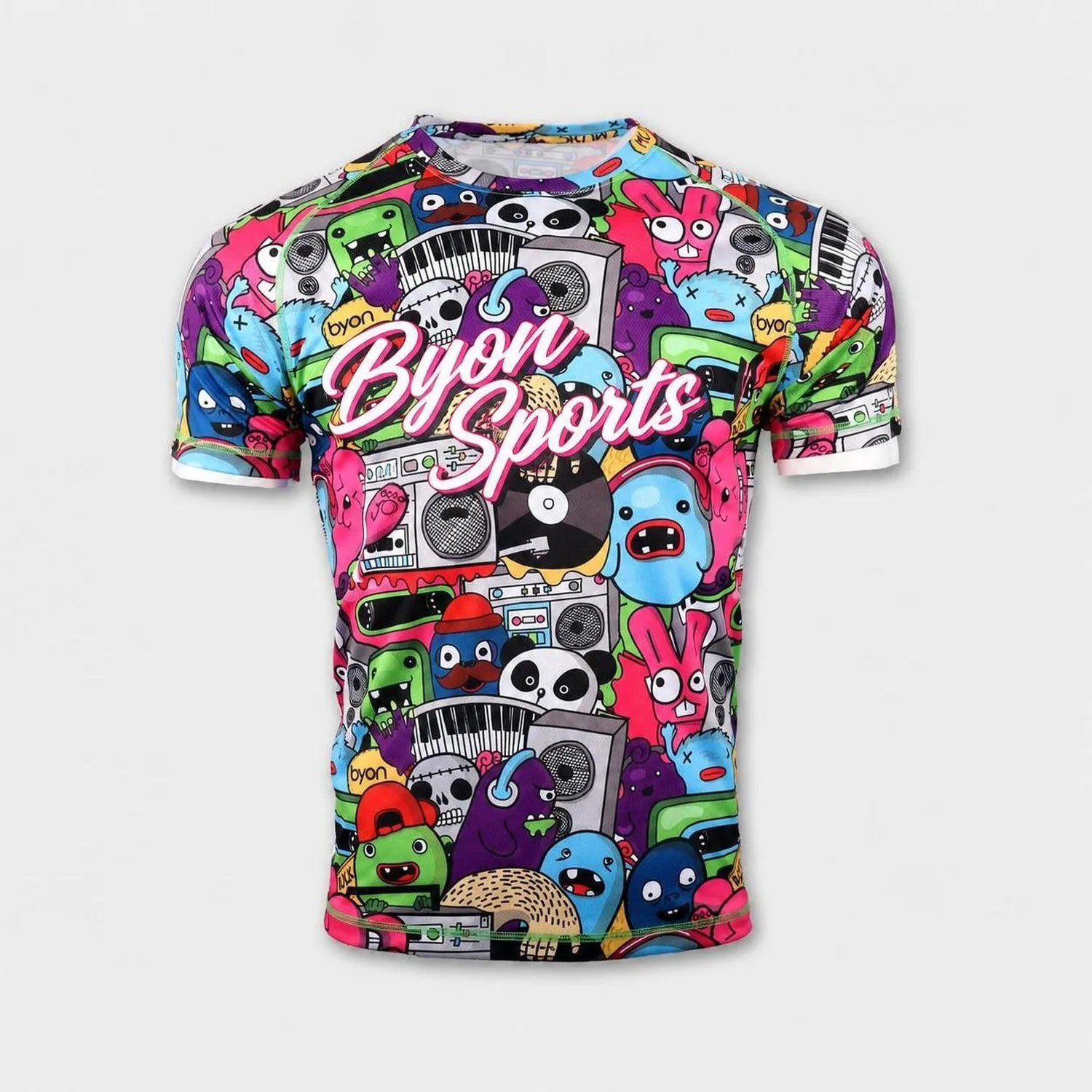
Custom team shirts for clubs, schools, events, competitions, and fanwear.
Explore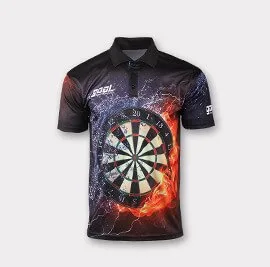
Custom polo shirts with long sleeve options and brand-specific size specs.
Explore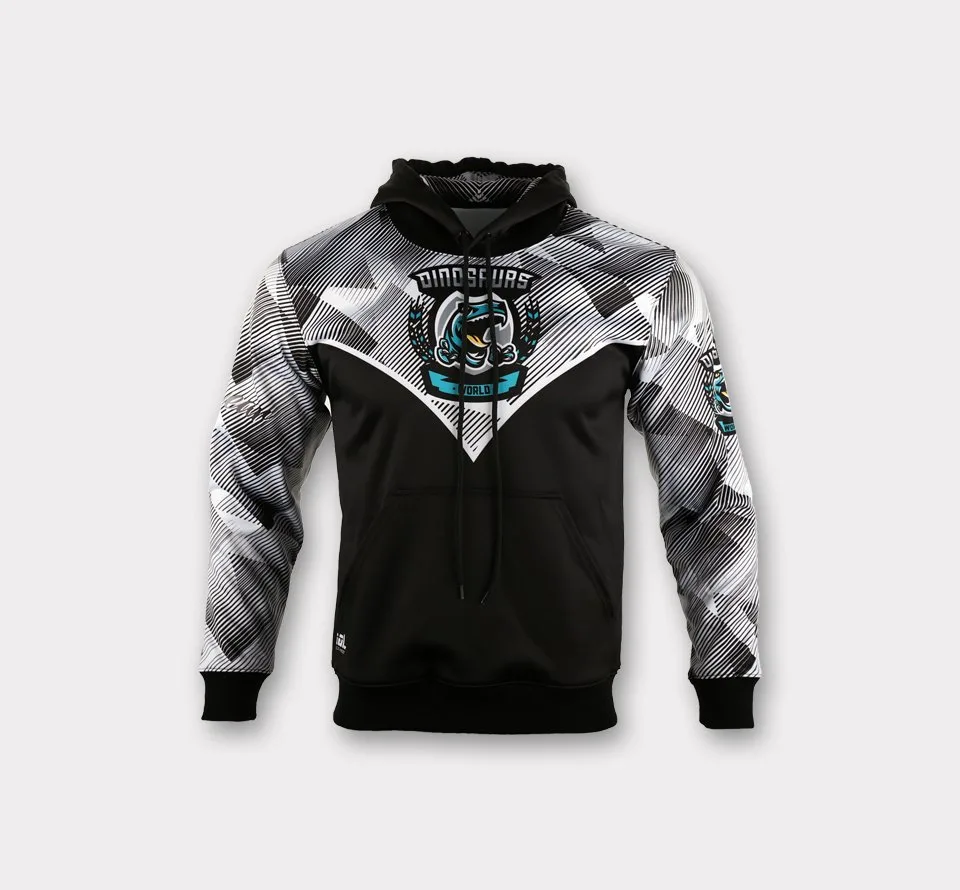
Warm polyester fleece hoodies in pullover and zipper styles with pockets.
Explore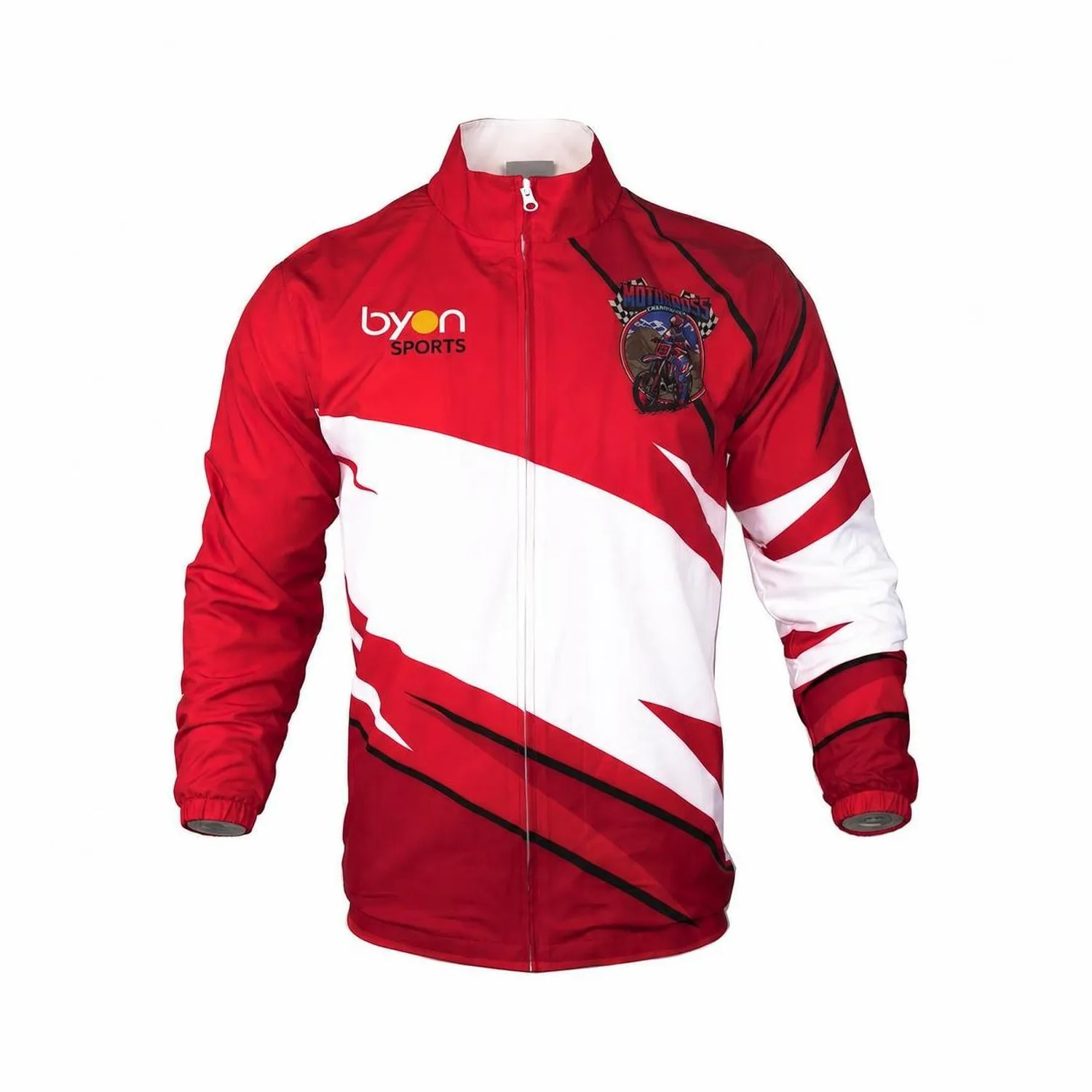
Shell jackets with mesh lining, YKK zippers, and pullover options.
Explore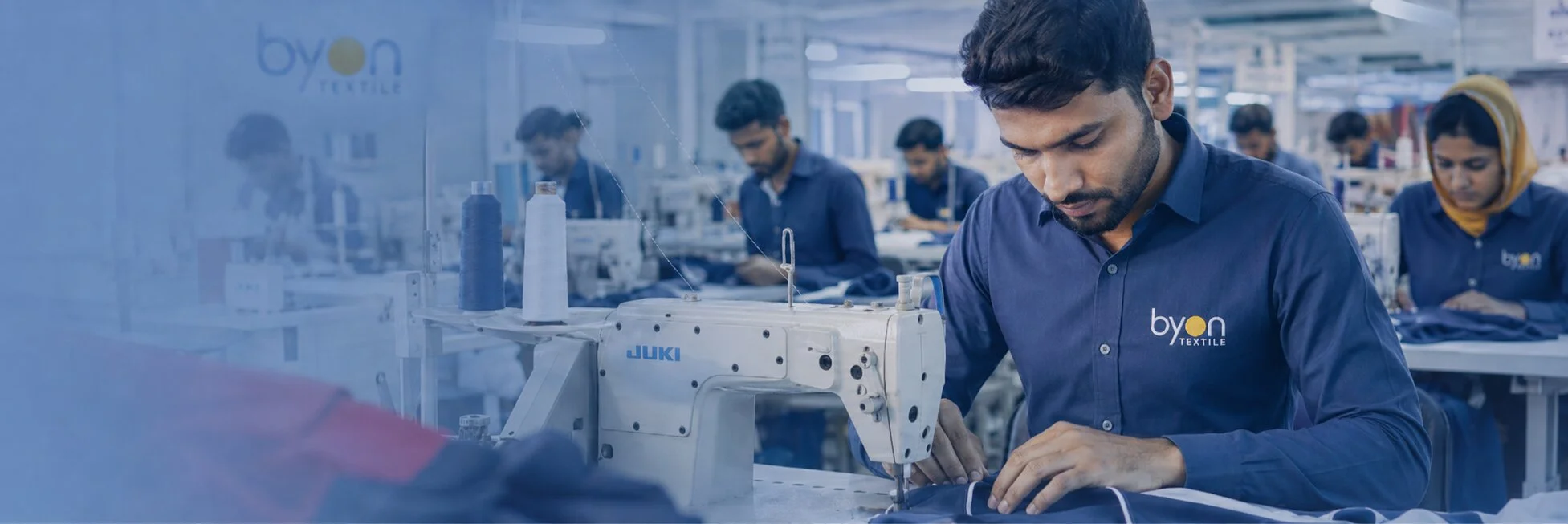
Manufacturing partner
Byon Textile supports men, women, youth, and kids sizing, custom specs, sample matching, artwork proofing, and production finishing under one coordinated workflow.
Send inquiryDetails and color
Use detail photos, color references, and final artwork proofs to align expectations before bulk production starts.
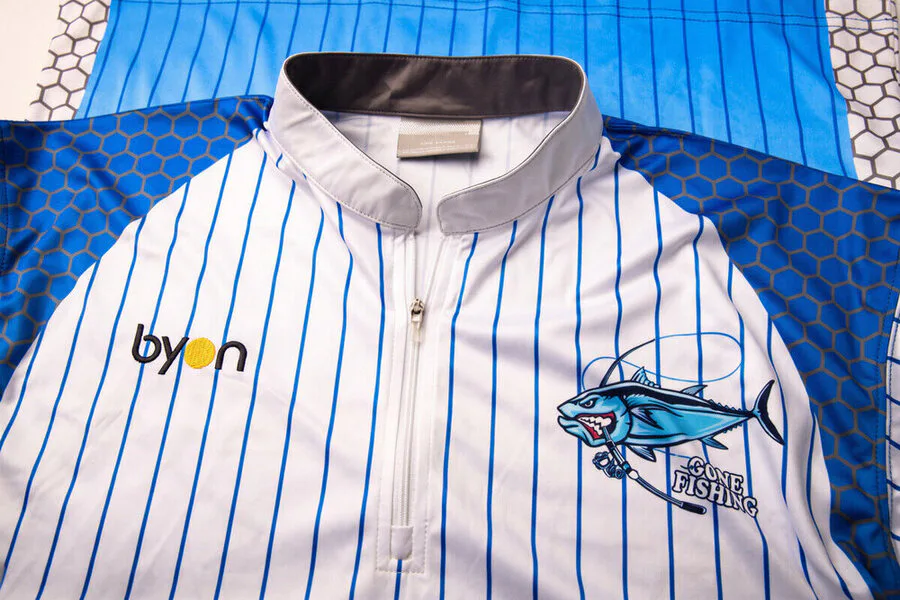
Collar construction detail.
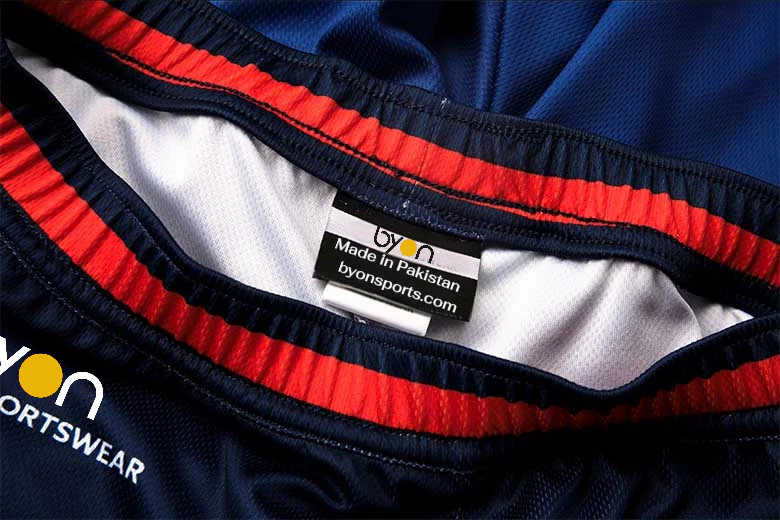
Stitching quality and finish.
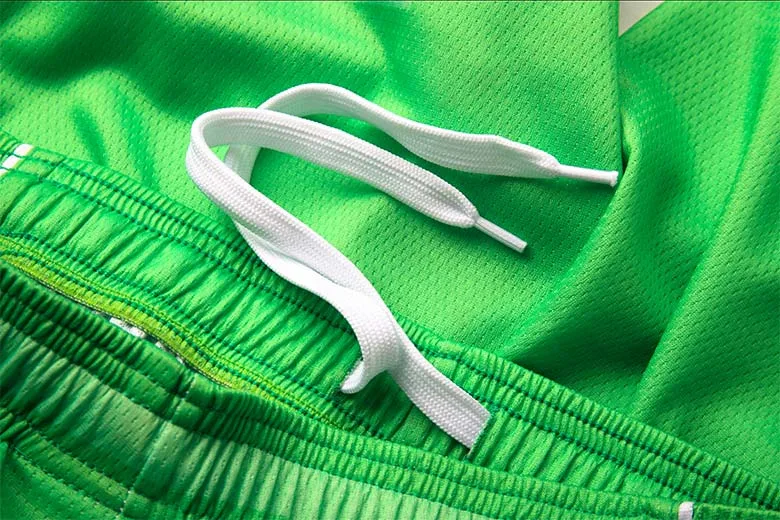
Basketball drawstring option.
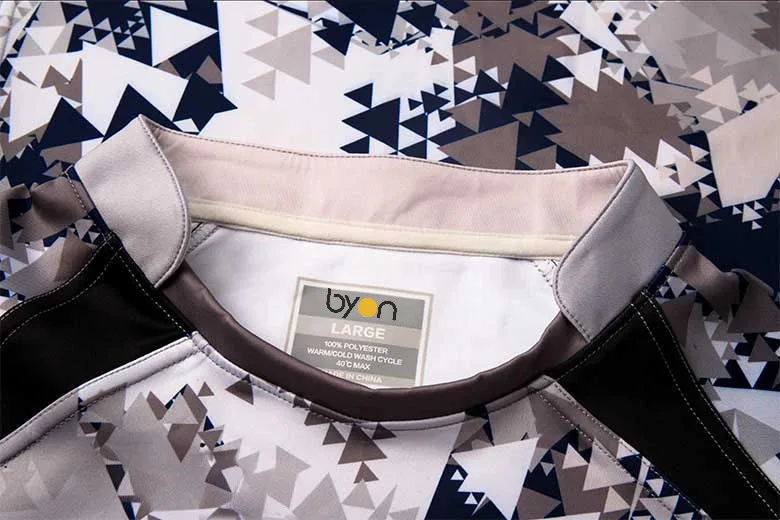
Sublimated rugby jersey collar.
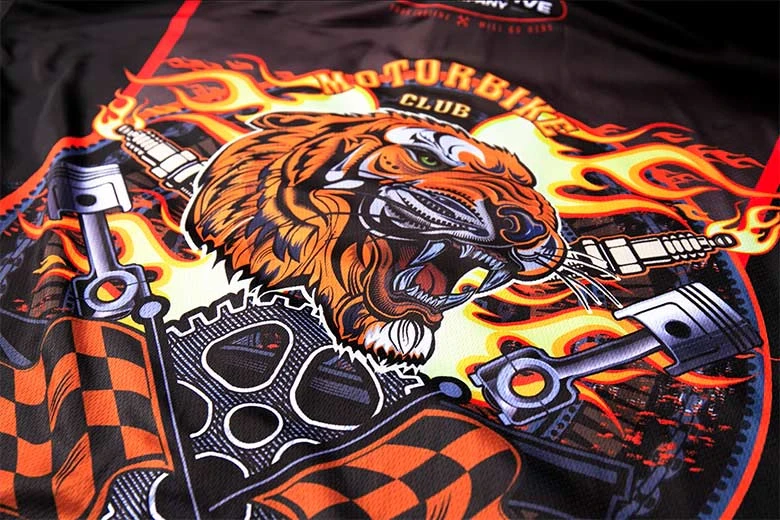
Crew shirt print coverage.
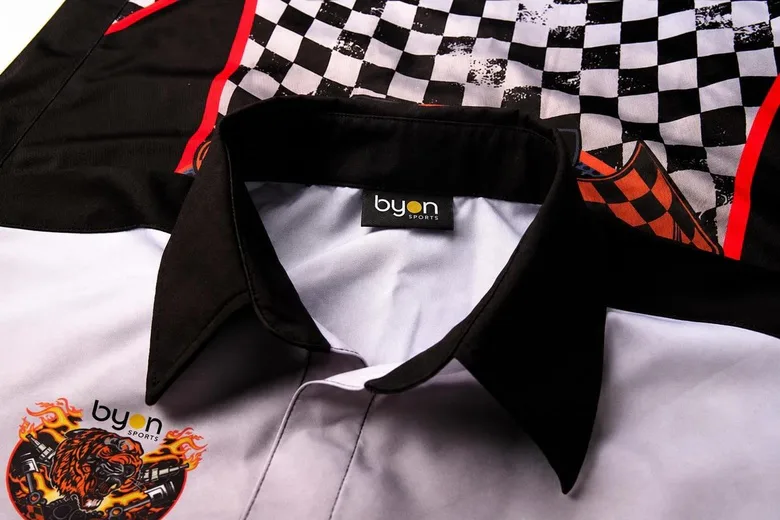
Crew shirt collar detail.
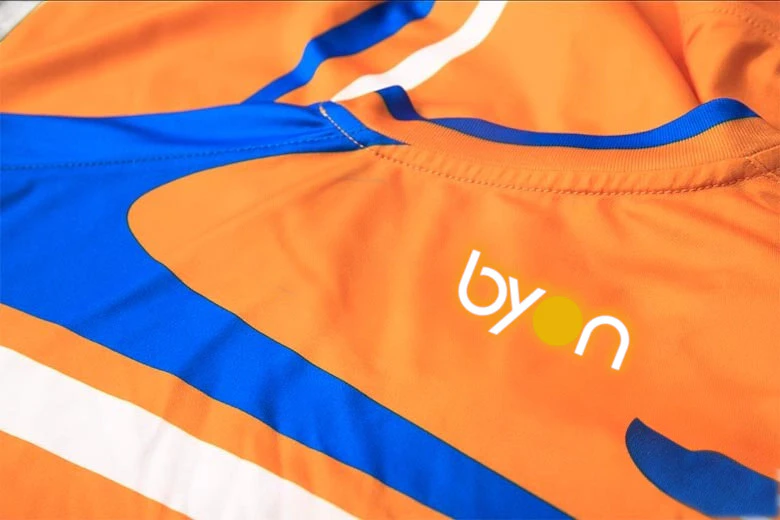
Bold panel print placement.
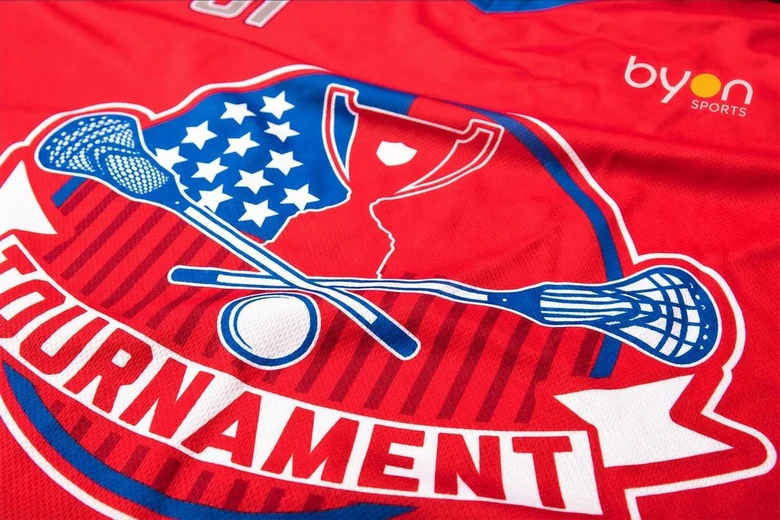
Uniform print alignment.
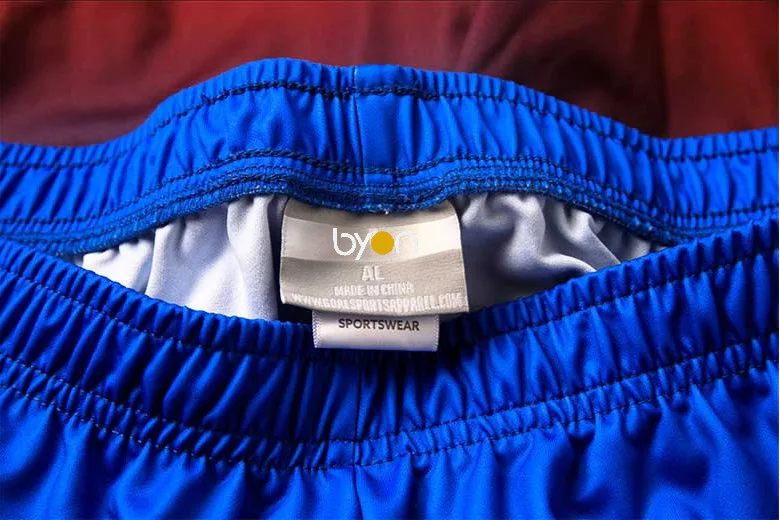
Shorts and jersey package options.
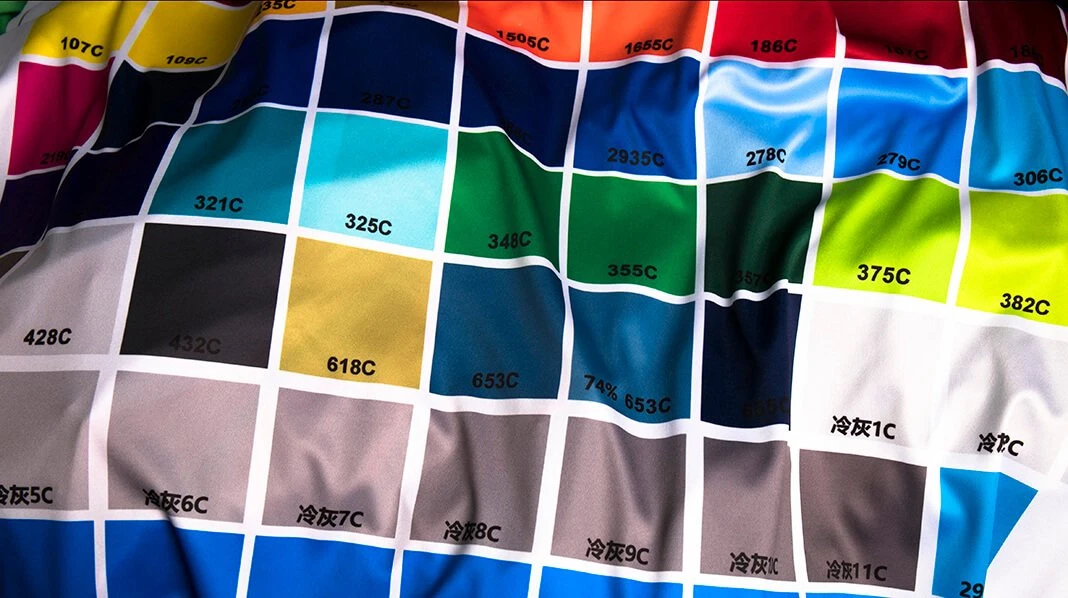
Color charts help the proofing conversation, but final color should always be approved against the fabric, ink, and artwork conditions used for production.
Process
From artwork through export-ready packing, the process is kept visible so teams and brands can approve decisions at the right stage.
01
Confirm design templates, logos, names, numbers, sizes, and color references before production.
02
Artwork is printed to transfer paper and heat-fused into polyester-rich fabric panels.
03
Printed panels are cut, assembled, stitched, and finished according to the approved sample.
04
Finished pieces are checked, pressed, packed, and prepared for export-ready dispatch.
Sublimation guide
A practical Byon Textile, Pakistan guide for teams, clubs, distributors, and private-label sportswear brands planning sublimated jerseys and custom teamwear.
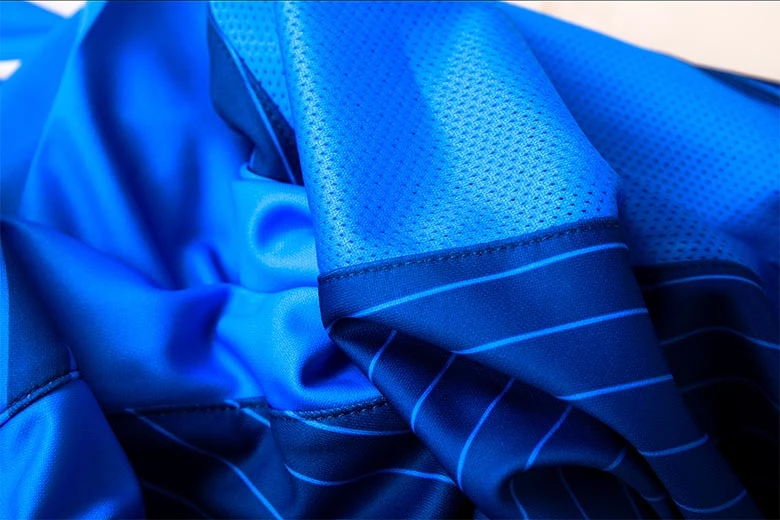
A sublimated jersey is a polyester-rich sports garment where artwork is printed on transfer paper and heat-fused into the fabric fibers. The result is smooth to the touch because logos, gradients, names, numbers, and pattern work become part of the fabric instead of a raised ink layer.
Byon Textile uses sublimation for jerseys, shorts, rash guards, singlets, polos, hoodies, jackets, and teamwear programs that need full-color artwork, repeatable team identity, and flexible roster customization from a Pakistan-based manufacturing workflow.
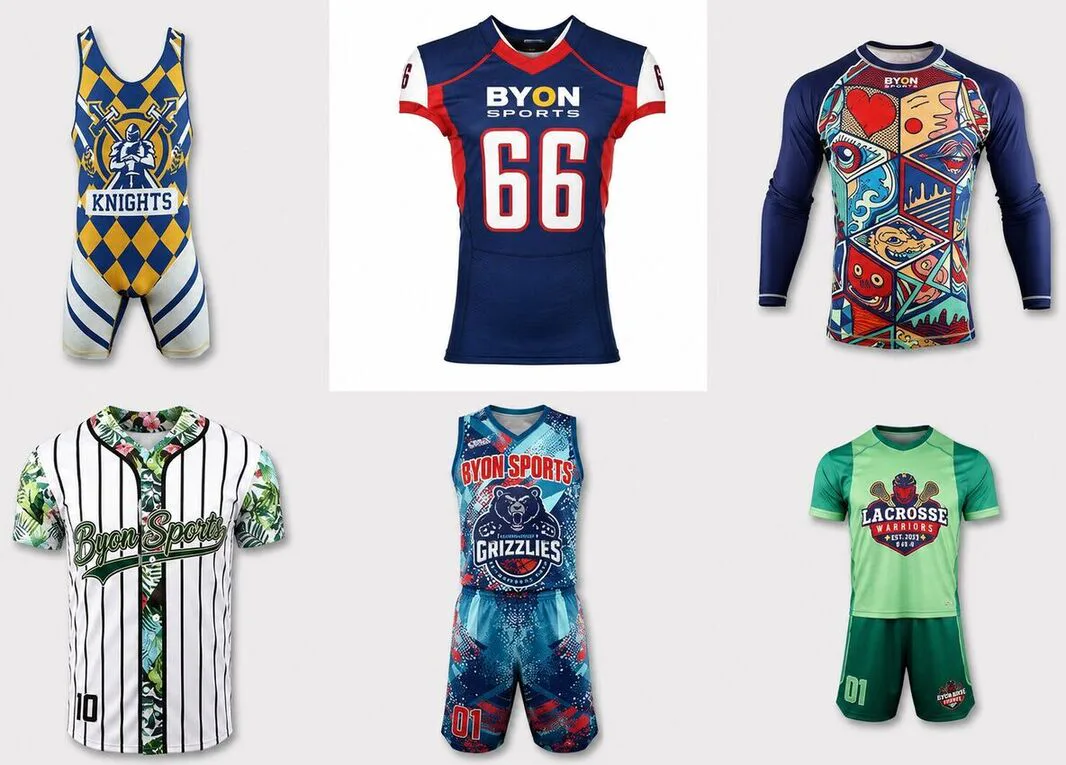
A strong team uniform begins with clear identification. Team colors, stripes, sponsor marks, player names, numbers, sleeve graphics, collars, cuffs, and size details should be planned together so every piece feels like part of the same program.
For Byon Textile production, the most useful brief includes front, back, sleeve, and side-panel placements, a roster sheet, logo files, color references, size chart, fabric target, and any label or packing requirements.
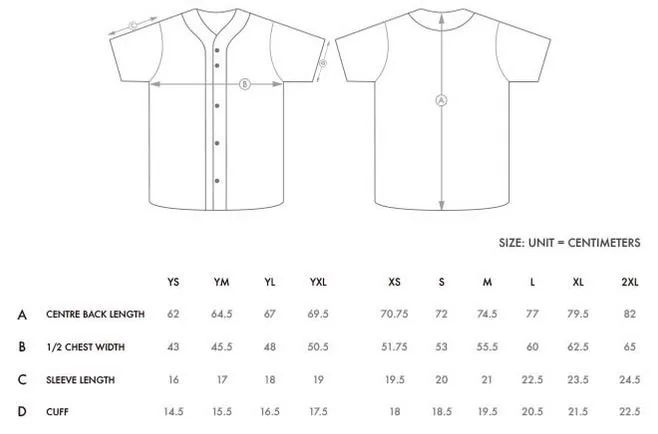
Teams choose sublimation because it supports complex artwork without requiring a separate screen for every color. Gradients, camo, stripes, patterns, sponsor-heavy layouts, names, and numbers can be handled in one digital artwork system.
The method also keeps the garment comfortable because the artwork is fused into the fabric. With the right fabric and care, sublimated jerseys resist cracking and peeling and can be ordered in different names, numbers, and sizes without rebuilding the entire print setup.
Sublimation is powerful, but it is not the right answer for every garment. It works best on polyester-rich fabrics and light base colors because sublimation ink bonds with polymer fibers and needs a suitable background for color visibility.
Late artwork changes, extra sponsor marks after approval, very dark base garments, and designs that need to cross bulky finished seams can add cost or reduce quality. Byon Textile handles these limits during proofing so the order is planned before bulk production begins.
Byon Textile is built for buyers who need a coordinated manufacturer rather than a disconnected printing vendor. The team can support artwork review, sampling, fabric selection, sublimation printing, stitching, finishing, inspection, and packing in one production flow.
For teams, distributors, and brands, that means fewer handoffs and clearer accountability. The same workflow can also coordinate labels, tags, size charts, packing instructions, and repeat orders from Pakistan.
Sublimation grew from dye-transfer and commercial imaging technology into a practical apparel method as digital artwork, inkjet printing, polyester fabrics, and heat-press equipment improved. Earlier uses focused on plastics and coated surfaces before sportswear became a major application.
Modern jersey sublimation became especially useful when teams started needing short runs, many colors, and individual names or numbers. Today it is one of the most flexible methods for custom performance apparel.
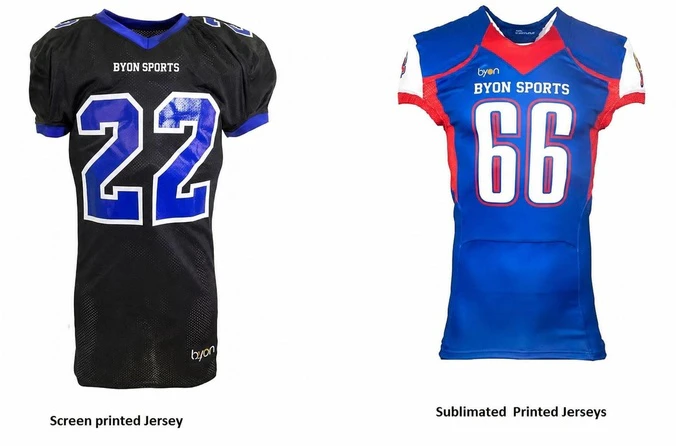
Screen printing pushes ink through prepared screens and can be efficient for simple designs in high quantities. Sublimation is a digital transfer process where the complete artwork is printed to paper and heat-fused into polyester fabric.
For Byon Textile sportswear, sublimation is usually stronger when the design has many colors, gradients, all-over graphics, individual names, or changing roster details. Screen printing can still suit simpler artwork, non-polyester fabrics, or very large repeat runs with limited colors.
A common starting point for polyester sublimation is around 380-400 F with controlled pressure and dwell time, often in the range of 30-60 seconds depending on the fabric, ink, paper, equipment, and artwork coverage.
The exact setting should never be guessed for bulk production. Byon Textile checks the fabric behavior, color result, hand feel, and press marks during sampling so temperature, pressure, and time are adjusted before the order moves forward.
Sublimation can reduce some water and chemical handling compared with dye-heavy processes because the image transfer does not require large dye baths. It also avoids the physical screens and cleanup steps associated with traditional multi-color screen printing.
Responsible production still matters. Electricity use, transfer paper, ink handling, ventilation, fabric selection, order planning, and waste control all affect the final footprint, so Byon Textile plans production to reduce avoidable sampling errors and rework.
Polyester is the strongest everyday choice for sublimated uniforms because sublimation dye bonds with polymer fibers. Polyester mesh, interlock, bird-eye, microfiber, and polyester-spandex blends can all be used depending on stretch, breathability, weight, and sport requirements.
Nylon and some coated or blended materials may be possible with adjusted temperature and testing, but cotton is not a good choice for durable sublimation. Byon Textile helps match fabric GSM, stretch, moisture performance, and print sharpness before production.
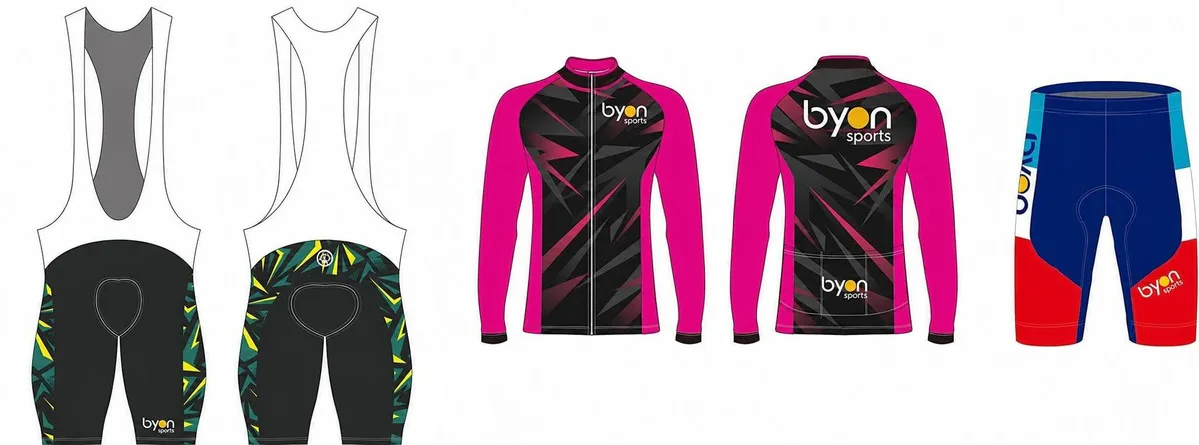
Byon Textile can develop sublimated sportswear across team, combat, outdoor, and training categories. Buyers can coordinate several products in one program so colors, labels, fabric direction, and packing stay consistent.
Common categories include wrestling singlets, MMA shorts, rash guards, hockey jerseys, baseball jerseys, softball jerseys, basketball uniforms, football jerseys, soccer kits, lacrosse uniforms, cycling jerseys, dart shirts, motocross jerseys, racing crew shirts, rugby jerseys, fishing jerseys, polos, hoodies, jackets, and running shirts.
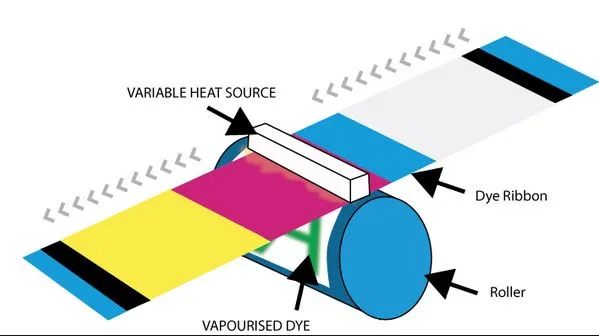
The production flow begins with approved artwork. The design is mirrored and printed onto transfer paper using sublimation inks, then heat and pressure move the dye into the polyester fabric. Printed panels are cut, stitched, inspected, pressed, packed, and prepared for dispatch.
Panel printing before sewing usually gives the cleanest result because the artwork can be aligned before seams, collars, cuffs, and hems are assembled. Byon Textile checks each stage so the final garment matches the approved proof as closely as production conditions allow.
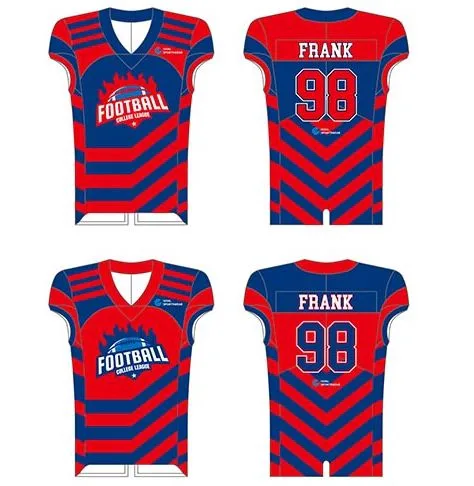
Good sublimation design starts with the garment template. Logos, numbers, names, sponsor graphics, gradients, stripes, and background patterns should be placed on the actual panels so the artwork works with seams, collars, sleeves, cuffs, and hems.
Send vector logos when available, provide color references, keep important text away from seam allowances, and confirm whether the design is for adults, youth, women, men, or a custom size range. Byon Textile can then prepare a proof for approval before production.
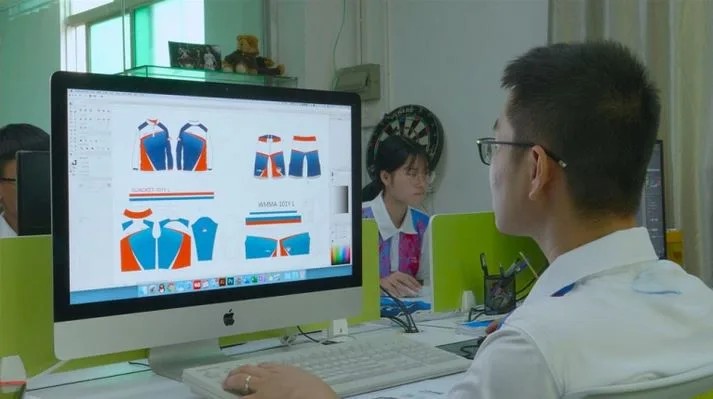
Personalized sportswear begins with the idea, sport, audience, and use case. A school team, tournament event, gym, brand, or distributor may need different fabrics, fits, colorways, labels, and packing instructions even when the visual design looks similar.
The practical path is to confirm the concept, collect logos and roster information, choose fabric and fit, approve the proof, review any sample requirement, then move into bulk production. Byon Textile can coordinate these steps so personalization is handled before the panels are printed.
Quality verification starts before printing. Fabric, paper, ink, artwork files, color references, machine settings, and garment measurements should be checked so the production team is not trying to fix preventable issues at the end.
After production, Byon Textile checks placement, color, roster details, stitching, trims, labels, quantity, measurements, pressing, and packing. The goal is to catch issues before dispatch and keep repeat orders consistent.
DTG, screen printing, heat transfer, embroidery, tackle twill, and sublimation each solve a different problem. DTG can handle detailed prints on some garments, screen printing can be efficient for simple repeat artwork, and embroidery or twill can create a raised premium effect.
Sublimation is strongest when the buyer needs all-over full-color polyester sportswear with many sizes, names, numbers, and design changes. Byon Textile can advise when sublimation should be combined with embroidery, patches, labels, or other decoration methods.
Premade jerseys can be difficult to sublimate because seams, folds, collars, buttons, zippers, and raised areas can interrupt pressure and create white gaps or distorted artwork. Designs that need to cross finished seams are especially risky.
For clean teamwear, Byon Textile generally plans panel printing before sewing. If a buyer needs spot sublimation on a premade garment, the design should stay away from bulky seams and be tested before the order is approved.
Sublimation prints are durable, but care still affects fabric life, stretch, stitching, and color appearance. Wash garments inside out with cold water and mild detergent, then dry on low heat or hang them in shade.
Avoid bleach, harsh chemicals, high heat, industrial washing, dry cleaning, and ironing directly over printed areas or trims. Team managers should share care instructions with players so the whole roster ages consistently.
Turnaround time depends on artwork approval, fabric availability, order quantity, size range, sample requirements, production queue, packing instructions, and shipping route. The production clock should be counted from final proof approval, not from the first inquiry.
Byon Textile quotes timelines after reviewing the real order details. Clear artwork files, confirmed rosters, accurate size breakdowns, and quick proof feedback help keep the schedule tight.
Print size is controlled by machine width, transfer paper, garment panel templates, fabric roll width, artwork scale, and the final size range. A graphic that looks perfect on adult large may need adjustment for youth sizes or very small panels.
Byon Textile checks placement on the relevant templates so logos, numbers, gradients, and sponsor marks stay readable across the ordered sizes. This is especially important for sleeve prints, side panels, shorts, cuffs, and collar areas.
Artwork quality directly affects print quality. Vector files such as AI, EPS, SVG, or PDF are preferred for logos and text because they can scale cleanly. Raster artwork should be supplied at production size with enough resolution to avoid pixelation.
For best results, send original logo files, brand color references, font notes, roster spreadsheets, and placement instructions. Low-resolution screenshots may be useful as references, but they should not be the main production artwork.
Sublimation pricing depends on more than the number of colors. Fabric type, garment style, print coverage, order quantity, size range, labels, trims, packing, sample needs, artwork complexity, and shipping requirements all affect the quote.
Byon Textile prepares pricing around the confirmed production brief. A complete inquiry with quantity, design reference, size breakdown, fabric target, delivery country, and packing requirements helps the team quote more accurately.
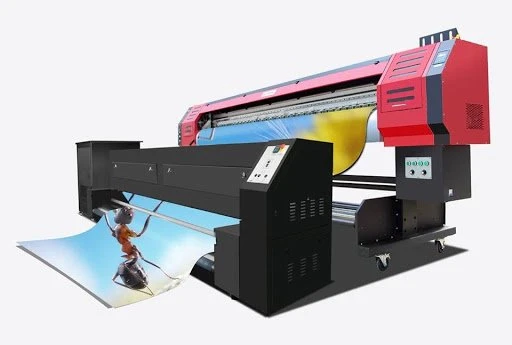
The production side requires sublimation printers, compatible ink, transfer paper, heat press equipment, polyester-rich fabric, cutting tools, sewing capacity, trained operators, and inspection controls. The buyer side requires a clear brief.
Before Byon Textile starts production, share the garment type, quantity, size chart, artwork files, roster details, color references, material target, label requirements, packing instructions, and target delivery window.
Choosing sublimated sportswear starts with the sport and the end user. A cycling jersey, hockey jersey, rash guard, baseball jersey, and fishing shirt need different fits, fabrics, stretch levels, ventilation, pockets, collars, and durability targets.
The best order balances comfort, material, design, cost, quality, delivery timing, and supplier reliability. Byon Textile, Pakistan can help buyers turn those decisions into a production-ready teamwear program with proofing, sampling, manufacturing, inspection, and repeat-order support.
Ready for proofing
We will help translate the idea into fabric, size specs, print placement, sample steps, and bulk production requirements.